¿Te gusta la vista previa?
Esta es la primera lección gratuita. Obtén acceso completo: solicita una demo o inicia sesión.
¿Te gusta la vista previa?
Esta es la primera lección gratuita. Obtén acceso completo: solicita una demo o inicia sesión.
Our hands, wrist and fingers are valuable tools. We use them every day. But they can be easily injured. Industrial environments present hazards that can severely damage our hands, wrists and fingers. This course will help you understand these hazards and ways you can keep your hands, wrists and fingers safe while working.
Your hands, wrists and fingers are involved in almost every task you perform in industrial environments. This includes using machines with heavy or fast moving parts, sharp tools and corrosive materials. All of these can be hazards. Fortunately, they are some simple safe work practices that can minimize these hazards.
Hand, wrist and finger injuries also result from not using the correct tool or not using the correct tool properly. These are known as ergonomic injuries. While they may not seem serious at the time, ergonomic injuries can lead to long-lasting injuries.
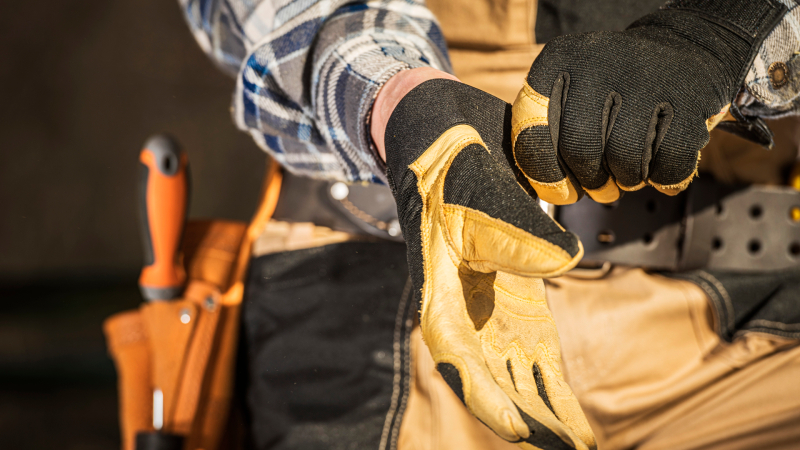
Sometimes the simplest solution to keeping your hands safe is to wear gloves. But you need to wear the right gloves for the job. You will learn what gloves are best to wear for common tasks in industrial environments.
Es para personas que trabajan en ambientes industriales donde las manos, muñecas y dedos están involucrados en casi todas las tareas, incluyendo el uso de máquinas con piezas pesadas o de movimiento rápido, herramientas afiladas y materiales corrosivos.
Cubre peligros industriales que pueden dañar manos, muñecas y dedos, como máquinas con piezas pesadas o de movimiento rápido, herramientas afiladas y materiales corrosivos, así como lesiones ergonómicas por no usar la herramienta correcta o usarla incorrectamente.
Aprenderá qué guantes son mejores para usar en tareas comunes en ambientes industriales, ya que usar los guantes correctos para el trabajo es a veces la solución más simple para mantener sus manos seguras.
El curso cubre una introducción, el diseño y la estructura de la mano, prácticas seguras de trabajo, prevención de lesiones ergonómicas, elección de herramientas y usarlas de forma segura, selección de los mejores guantes para el trabajo, y una conclusión.
Las lesiones ergonómicas resultan de no usar la herramienta correcta o no usar la herramienta correcta correctamente; aunque pueden no parecer graves en el momento, pueden llevar a lesiones duraderas.