Enjoying the preview?
This is the free first lesson. Get full access: request a demo or sign in.
Enjoying the preview?
This is the free first lesson. Get full access: request a demo or sign in.
Our hands, wrist and fingers are valuable tools. We use them every day. But they can be easily injured. Industrial environments present hazards that can severely damage our hands, wrists and fingers. This course will help you understand these hazards and ways you can keep your hands, wrists and fingers safe while working.
Your hands, wrists and fingers are involved in almost every task you perform in industrial environments. This includes using machines with heavy or fast moving parts, sharp tools and corrosive materials. All of these can be hazards. Fortunately, they are some simple safe work practices that can minimize these hazards.
Hand, wrist and finger injuries also result from not using the correct tool or not using the correct tool properly. These are known as ergonomic injuries. While they may not seem serious at the time, ergonomic injuries can lead to long-lasting injuries.
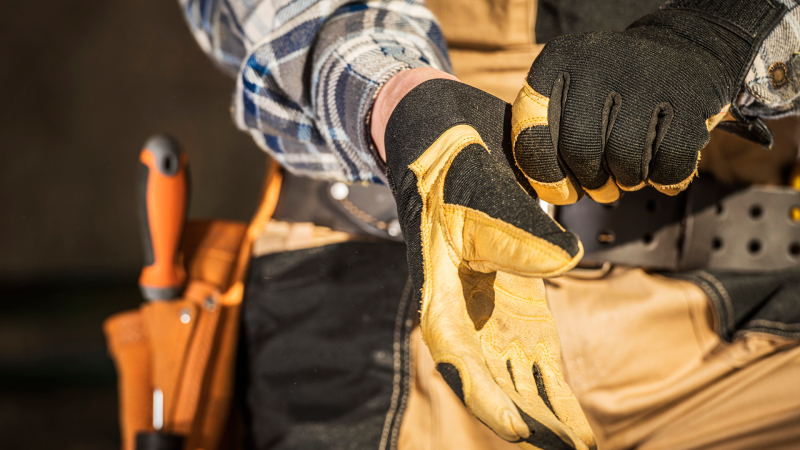
Sometimes the simplest solution to keeping your hands safe is to wear gloves. But you need to wear the right gloves for the job. You will learn what gloves are best to wear for common tasks in industrial environments.
It is for people working in industrial environments where hands, wrists, and fingers are involved in almost every task, including using machines with heavy or fast-moving parts, sharp tools, and corrosive materials.
It covers industrial hazards that can damage hands, wrists, and fingers, such as machines with heavy or fast-moving parts, sharp tools, and corrosive materials, as well as ergonomic injuries from not using the correct tool or using it improperly.
You will learn what gloves are best to wear for common tasks in industrial environments, since wearing the right gloves for the job is sometimes the simplest solution to keeping your hands safe.
The course covers an introduction, the hand's design and structure, safe work practices, preventing ergonomic injuries, choosing tools and using them safely, selecting the best gloves for the job, and a conclusion.
Ergonomic injuries result from not using the correct tool or not using the correct tool properly; while they may not seem serious at the time, they can lead to long-lasting injuries.