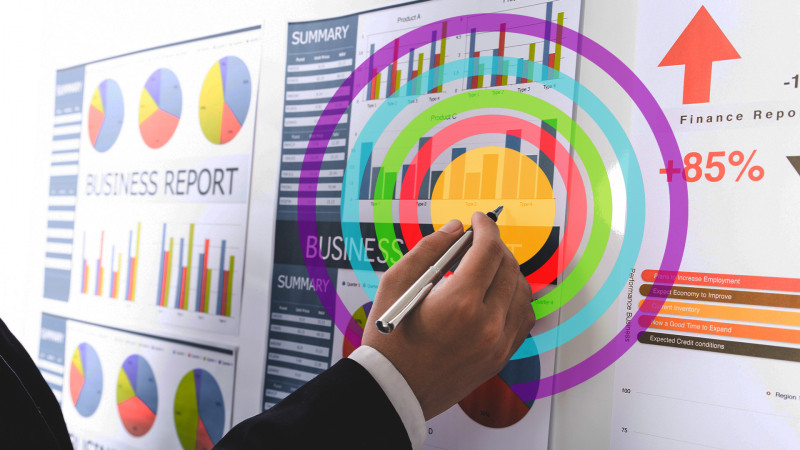
财务管理
Learn the basic financial statements along with essential financial management tools课程简介
This Financial Management course explores the key financial statements used by businesses to understand their financial position, their operations, and their cash flows. The balance sheet, income statement, and cash flow statement are key statements that any financial manager will want to be familiar with. You will also learn about other fundamentals like cost structures, budgeting, financial management in shipping and receiving, and financial analysis for production and operations.
These financial fundamentals will provide you with the skills necessary to communicate with other financial personnel and make important financial decisions for your business. This course covers many cost classifications, like variable, fixed, and mixed costs, as well as period and product costs. Understanding costs can help with the budgeting process, and this course details best practices for budgeting, as well as the many types of budgeting and how they can benefit your business. This course also addresses operational concerns, like financial management for shipping and receiving. The economic order quantity and reorder point calculations will help you know when to reorder inventory and how much should be ordered. Another important tool for determining the profitability of your business is the break-even analysis, which is used to determine how many items need to be sold to break-even. Use these financial tools, alongside the financial statements, to effectively make decisions for your business.
您将学到的内容
- 识别企业使用的关键财务报表,包括资产负债表、利润表和现金流量表
- 将成本分类为变动成本、固定成本和混合成本,以及期间成本和产品成本
- 在不同类型的预算管理中应用预算编制方法和最佳实践
- 计算盈亏平衡分析,以确定必须销售多少件产品才能达到盈亏平衡
- 使用经济订货量和再订货点计算来管理收发货中的库存
- 设置并应用针对生产和运营的财务分析
关键要点
- 资产负债表、利润表和现金流量表是每位财务经理都应熟悉的、用于了解财务状况、运营和现金流量的关键报表。
- 理解成本分类(如变动成本、固定成本、混合成本、期间成本和产品成本)有助于预算编制过程。
- 经济订货量和再订货点计算有助于确定何时重新订购库存以及订购多少。
- 盈亏平衡分析用于确定需要销售多少件产品才能达到盈亏平衡并评估盈利能力。
- 这些财务基础知识培养了与其他财务人员沟通并做出重要业务决策所需的技能。
常见问题
本课程涵盖哪些财务报表?
本课程涵盖资产负债表、利润表和现金流量表,这些是了解企业财务状况、运营和现金流量的关键报表。
关于成本和预算编制,我将学习到什么?
您将学习如何对成本进行分类,包括变动成本、固定成本、混合成本以及期间成本和产品成本,您还将学习预算编制的最佳实践、多种预算类型以及它们如何使您的企业受益。
本课程是否涵盖库存和运营决策?
是的。它探讨了收发货的财务管理,包括用于了解何时重新订购库存及订购多少的经济订货量和再订货点计算,以及针对生产和运营的财务分析。
本课程如何帮助做出盈利决策?
它教授了用于确定需要销售多少商品才能实现盈亏平衡的盈亏平衡分析,并结合财务报表来帮助您为企业做出有效的决策。
这门课程培养哪些技能?
它培养了财务会计、财务与商业管理系统、财务数据管理、财务管理战略、财务管理以及财务报表分析方面的技能。