HR teams today are investing in employee experience at every major touchpoint. But the biggest shifts in engagement don’t always happen during onboarding or promotion. They often unfold in smaller, less visible interactions, moments that rarely make it into dashboards or performance reviews. These micro-moments shape how employees feel about their work, how they connect with their teams, and how long they choose to stay.
Understanding these micro-moments has become essential for any HR or L&D leader aiming to build trust, reduce attrition, and drive learning engagement. With the right approach, AI can help capture these subtle experiences and turn them into actionable insights. But only if you’re paying attention to the right signals.
Let’s explore how HR and L&D teams can use AI with purpose, not for automation’s sake, but to decode what’s really happening inside the day-to-day employee journey.
Why Micro-Moments Deserve More Attention
Annual surveys, performance reviews, and exit interviews give you the big picture. But they miss the daily interactions that quietly shift an employee’s experience. These micro-moments include small signals like how long it takes to get IT support on day one, how quickly feedback is acknowledged by a manager, or how easily an employee finds resources on your LMS.
What makes these moments powerful is how they accumulate. A single bad interaction may go unnoticed, but a series of unresolved tensions can signal burnout, disengagement, or even intent to leave. On the other hand, positive micro-moments, such as timely recognition or useful guidance during a new process, strengthen trust and connection.
The challenge is that these experiences aren’t always verbalized. Employees don’t always speak up. This is where AI can help teams notice what’s not being said by analyzing behavioral patterns across tools and interactions.
To fully leverage that, HR and L&D teams need clarity on where to look first.
Where Micro-Moments Hide in the Employee Lifecycle
Micro-moments are everywhere, but some are more critical than others. Instead of tracking everything, focus on high-impact touchpoints across the employee journey where decisions, confidence, or connection may shift.
1. During Onboarding
First impressions are shaped quickly. If a new hire struggles with confusing processes, delayed responses, or a lack of clarity, trust begins to erode early. Micro-moments here might include:
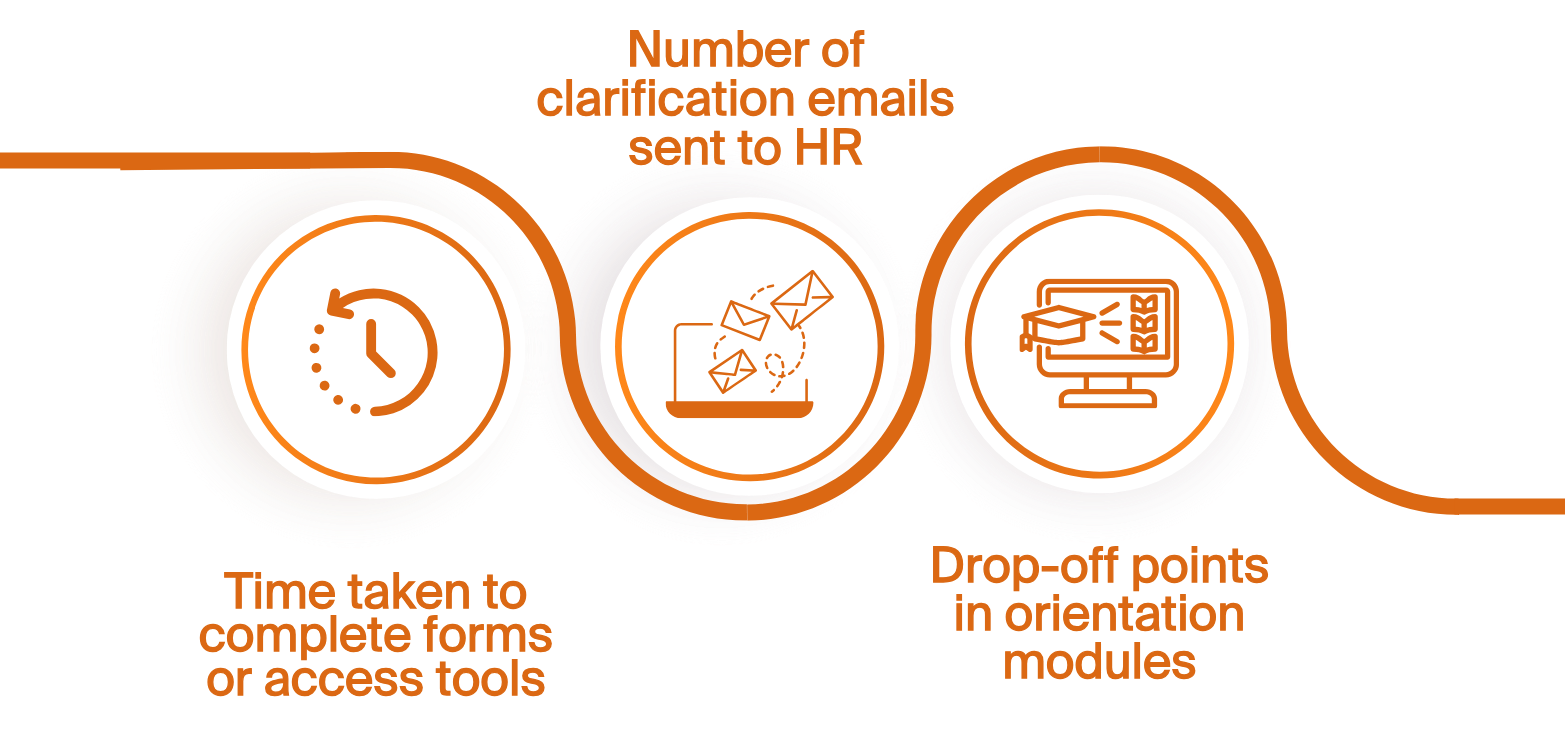
Patterns in these small signals tell you whether onboarding feels seamless or disjointed. AI tools can flag repeated friction points across cohorts, helping you adjust content or workflow in real time.
2. In Learning and Upskilling
When employees interact with learning platforms, every click leaves a clue. Do learners stop engaging after certain modules? Are they searching for answers that don’t exist in your course materials?
AI can monitor:
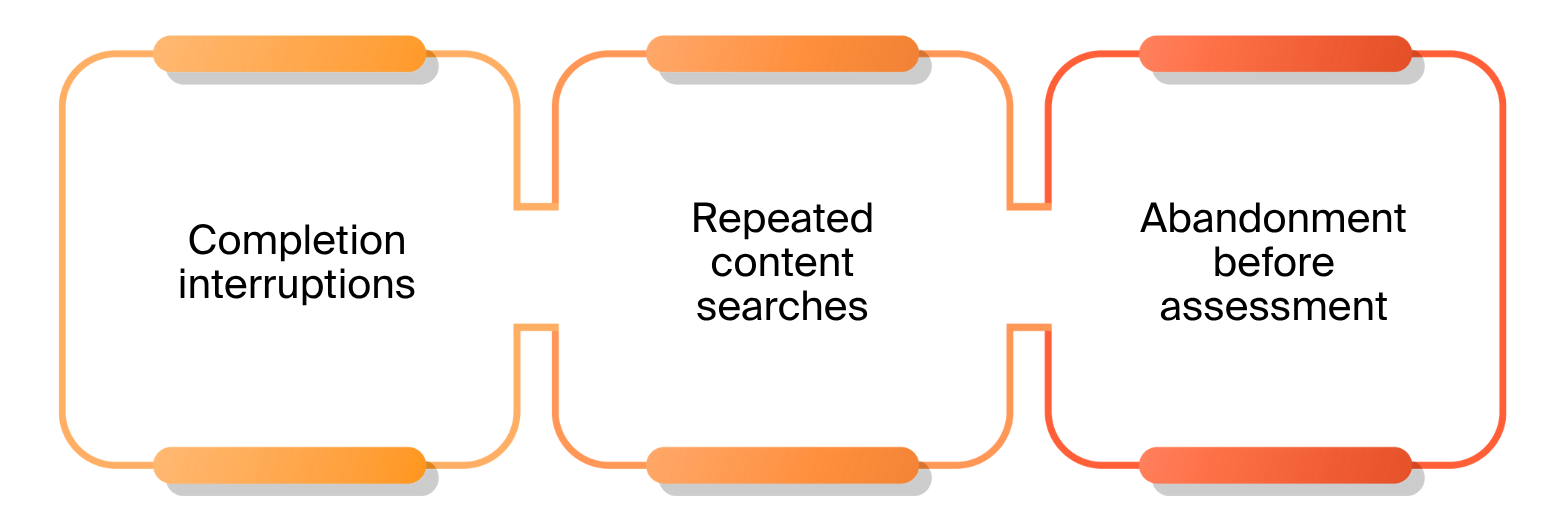
By analyzing these behaviors, L&D leaders can improve relevance, streamline delivery, and ensure content matches learner needs, not assumptions.
3. During Goal-Setting and Feedback Cycles
Performance systems often focus on input and output, such as setting goals and submitting reviews. But deeper insight lies in how employees use those systems between cycles.
AI can highlight:
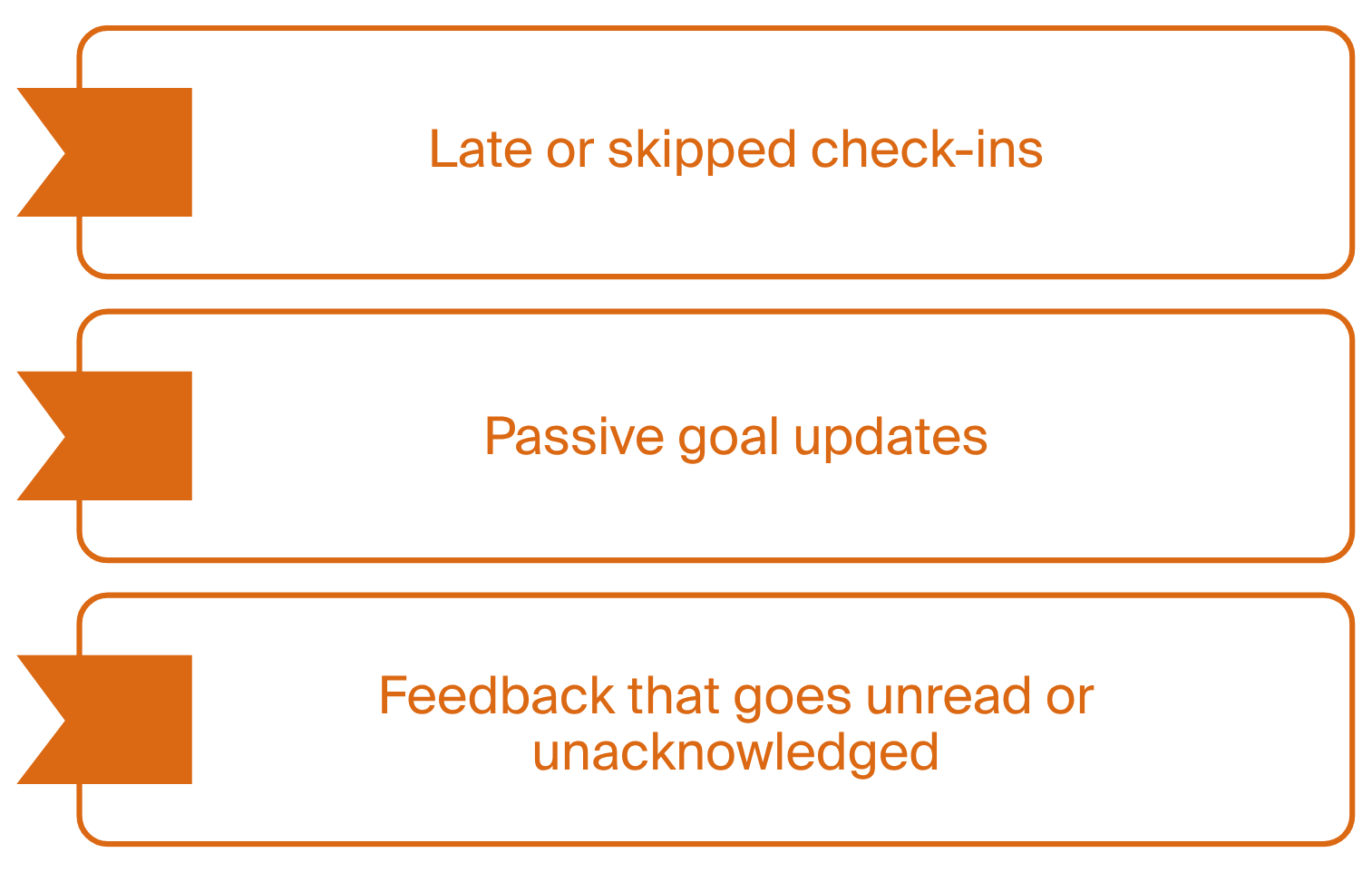
These are signs that performance management may feel procedural rather than developmental. Addressing this can increase participation and improve manager-employee alignment. For a closer look at how AI is reshaping performance reviews, from reducing bias to making feedback more actionable, see how HR and L&D professionals are using it to support fairer, more effective performance reviews
4. Around Growth and Mobility
Career mobility isn’t just about internal job applications. It’s also about whether employees believe growth is possible in your organization. AI tools can observe:
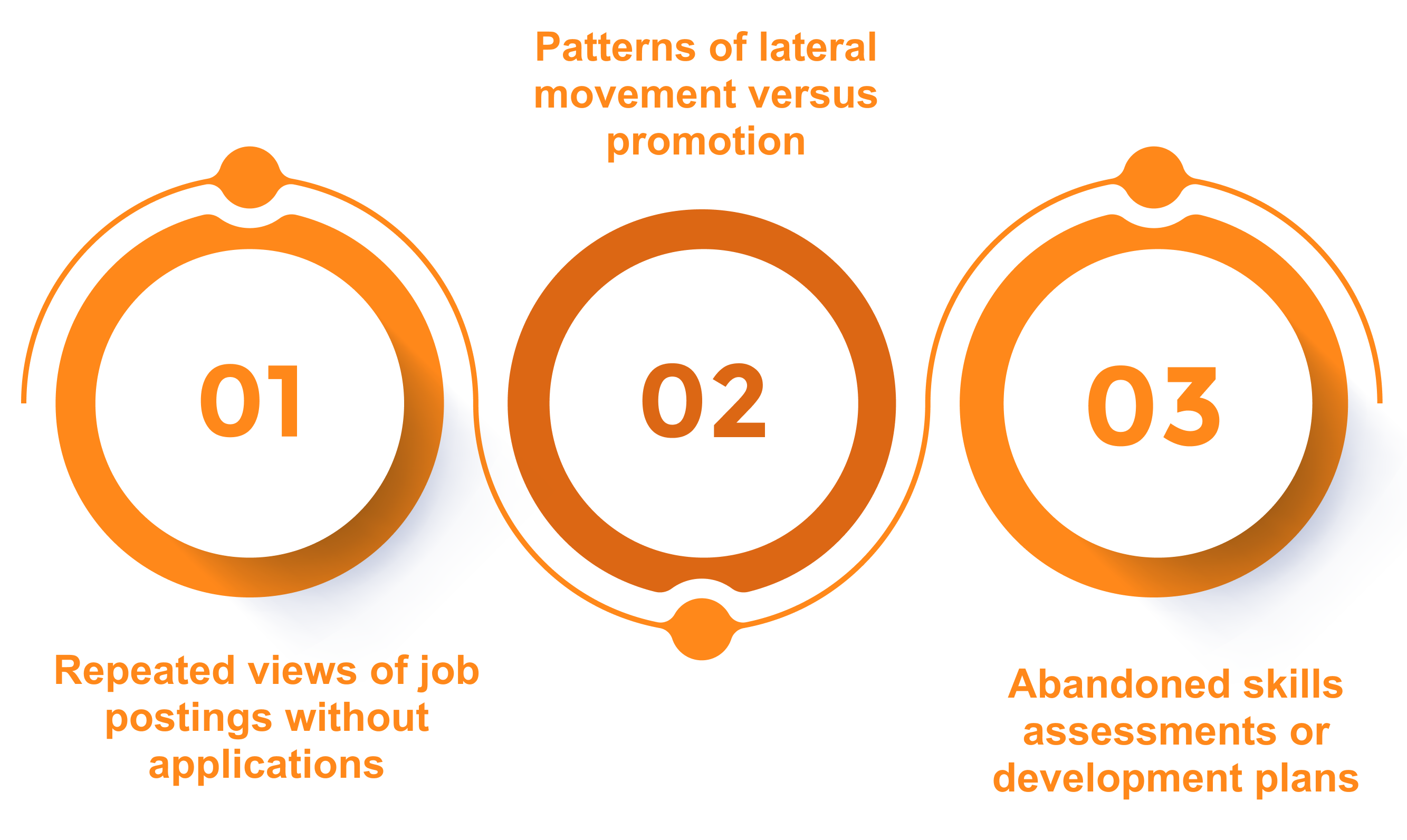
This data helps HR teams understand if mobility feels real or performative and take proactive steps to fix that perception.
5. When Employees Begin to Disengage
Exit interviews are often too late. Micro-moments offer earlier clues. AI systems can detect behavior shifts that precede attrition:
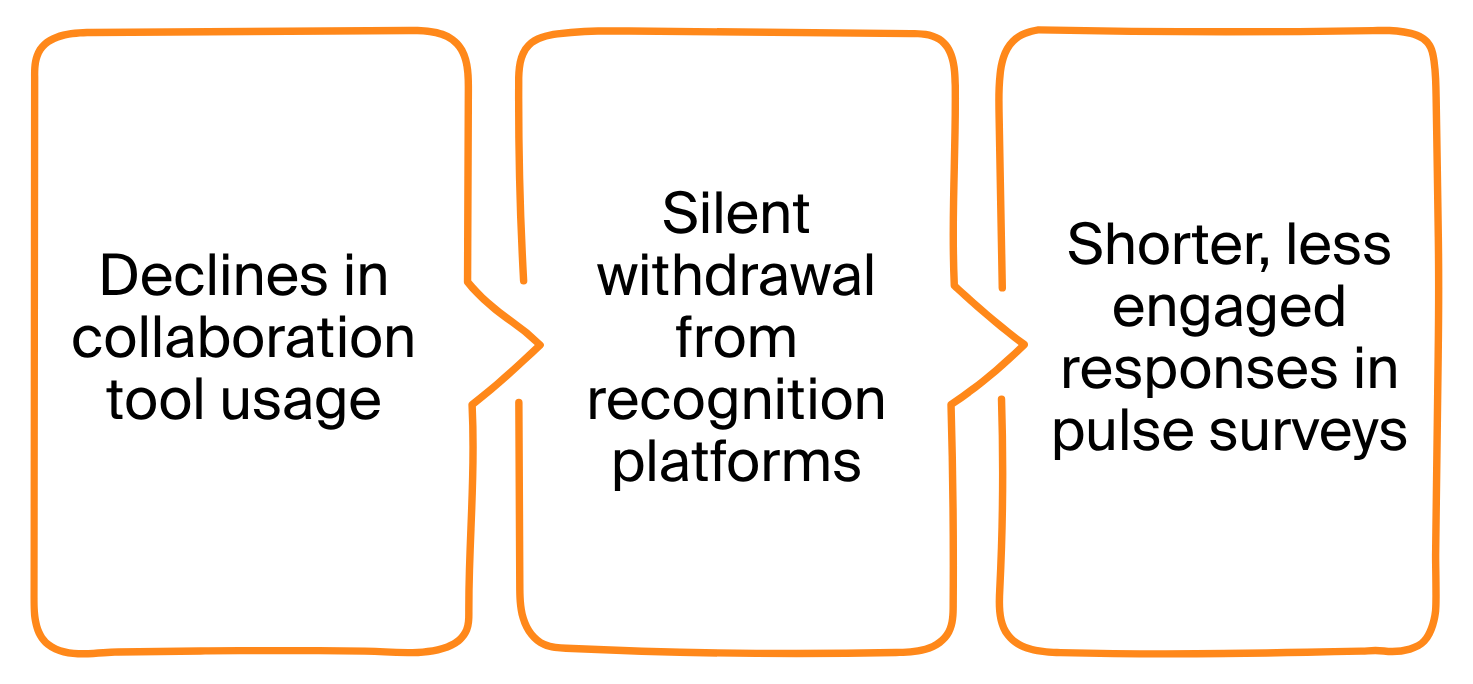
Intervening at this stage doesn’t require dramatic moves. Often, a well-timed conversation, stay interviews, or re-engagement in learning can change the course of an employee’s decision.
To better support employees during digital transitions, especially those struggling with AI adoption, explore our blog on how HR and L&D professionals can support employees during AI-driven change.
How HR and L&D Teams Can Extract Meaning from Micro-Moment Data
HR and L&D systems already collect a high volume of employee interaction data. AI-powered features now built into many platforms can help make this data more actionable, not by automating decisions, but by helping teams notice patterns earlier and with more context.
Here’s how HR and L&D professionals can start using these capabilities inside the platforms they already manage:
1. Review Behavioral Interaction Data Regularly
Your learning and feedback systems already track interactions: where employees drop off, how long they spend in modules, and which survey fields go unanswered. AI-based analytics in these platforms can cluster these behaviors and highlight repeated friction, like a task that takes longer than expected or is consistently skipped.
You don’t need a separate tool to find these trends. You need to ask your analytics or HR operations team to make them visible. For example, you can request reports showing:
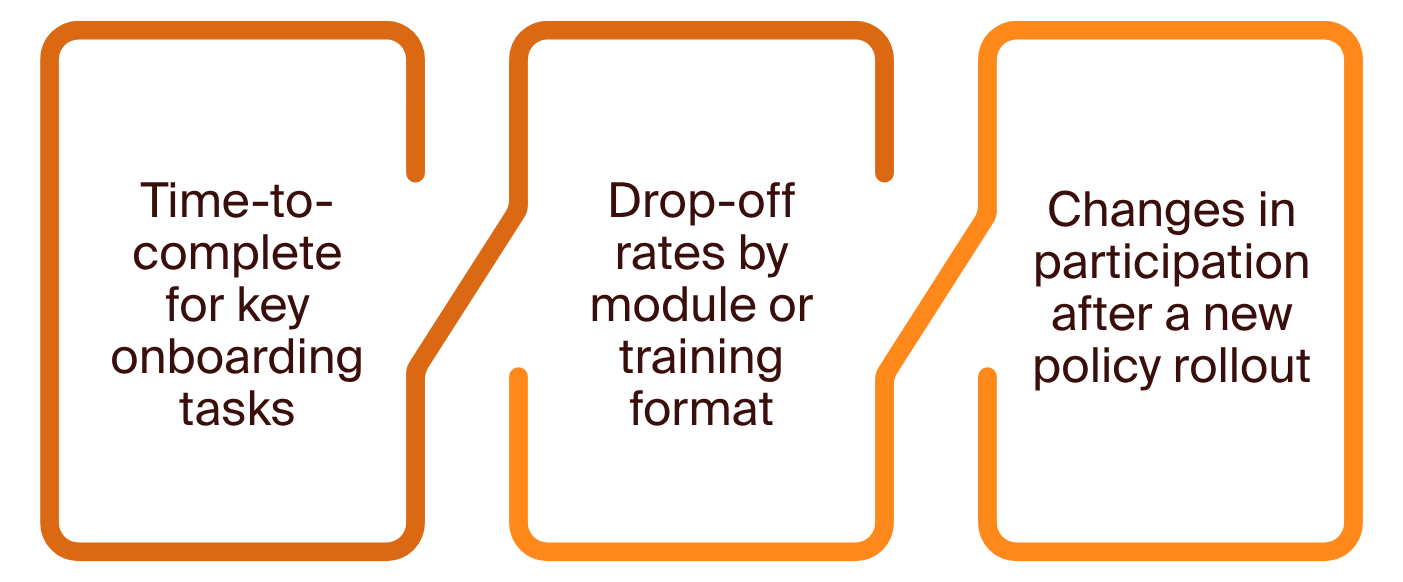
These trends signal which micro-moments are building positive momentum and which ones are quietly deteriorating engagement.
2. Use Text-Based Feedback as a Signal Source
Employees often express what’s working and what’s not through written comments in surveys, check-ins, or exit forms. AI-enhanced feedback tools can group common themes and surface changes in tone, even if the language remains polite or neutral.
Look for patterns like:
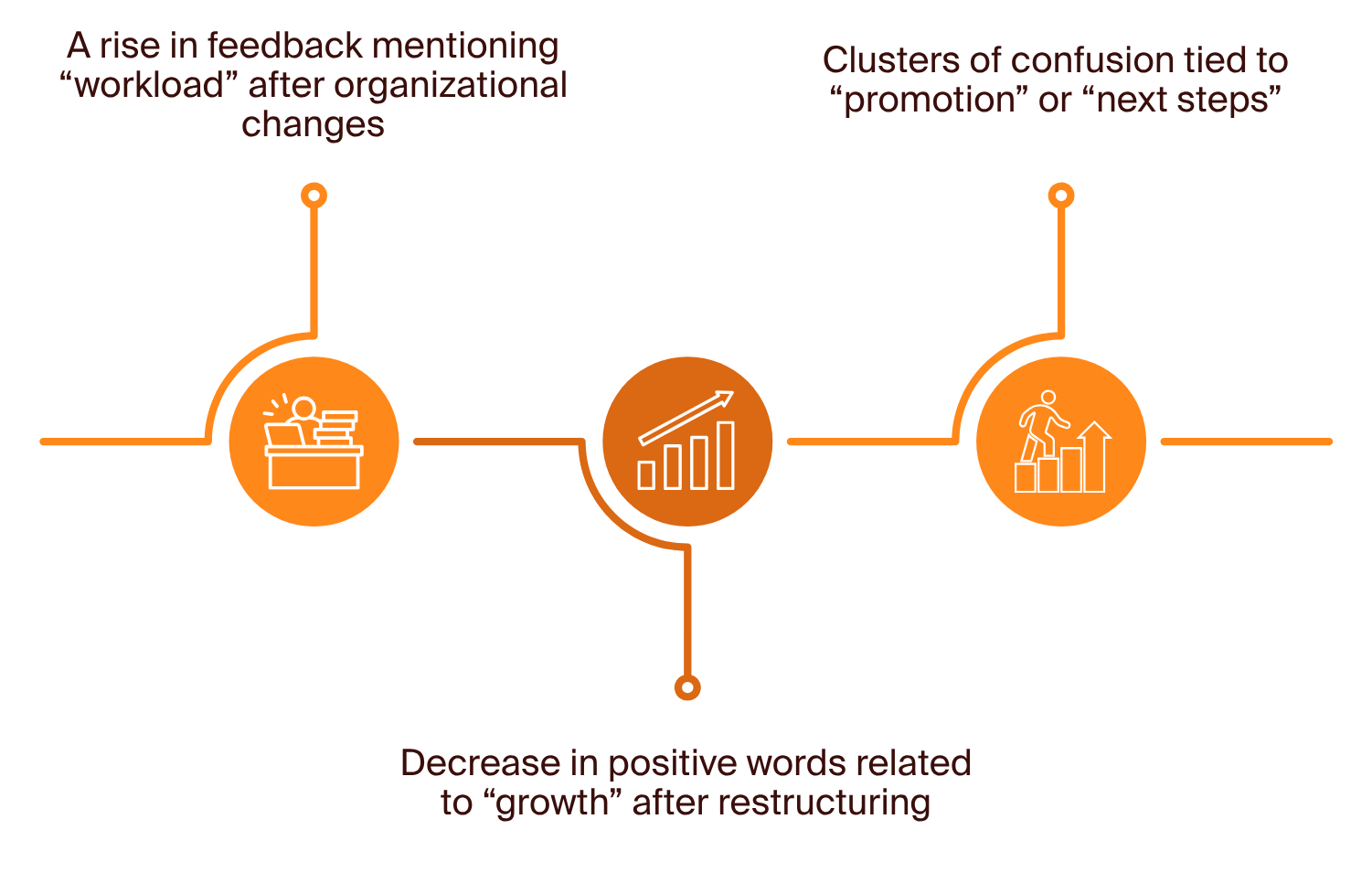
These aren’t individual complaints; they’re directional signals. You can use them to revisit communication strategies or clarify development opportunities.
3. Monitor Experience Flow Across Common Employee Paths
Every employee goes through a set of typical journeys, including onboarding, role changes, training, and feedback cycles. Your internal platforms often record each step: logins, submissions, completions, and follow-ups.
By analyzing drop-off points or stalled actions, you can spot where these journeys are breaking down. For instance:
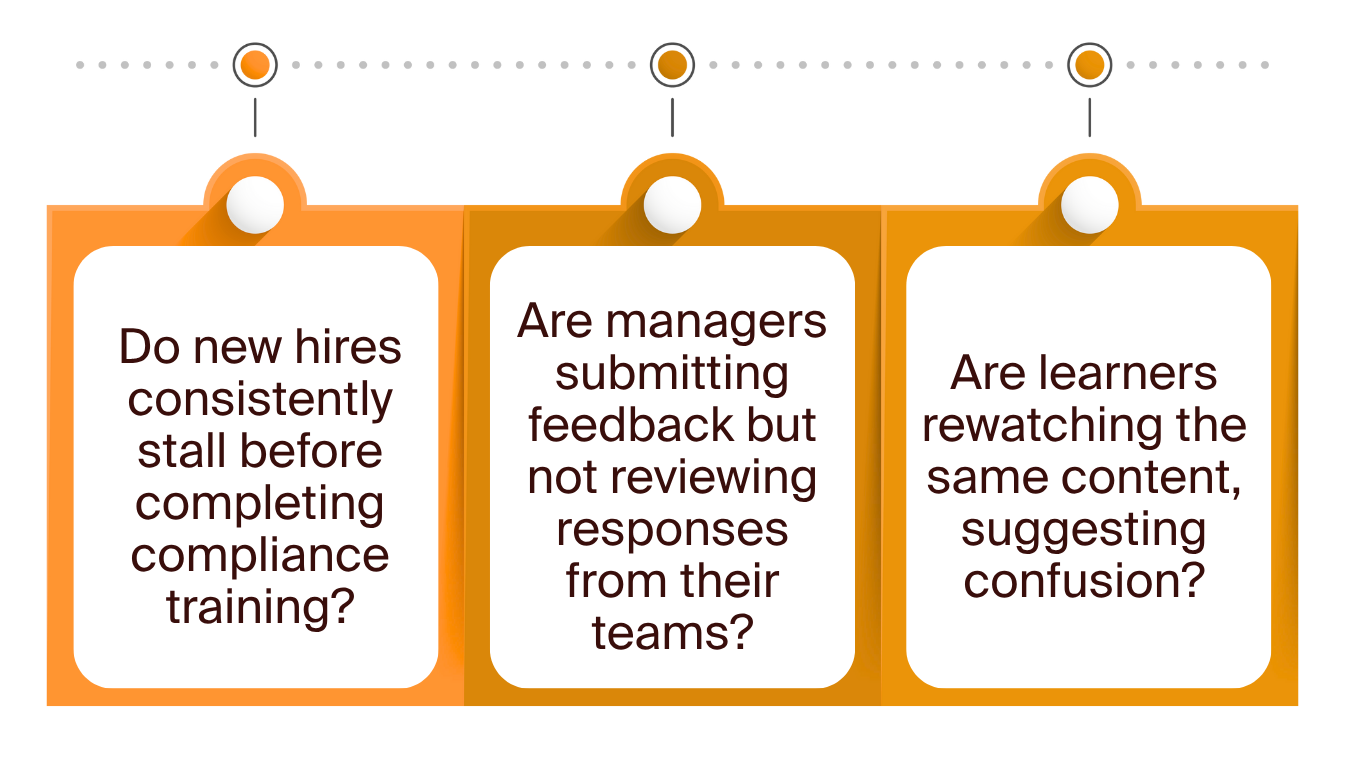
You don’t need to guess. Set up reporting filters to catch slowdowns, skips, and returns. These indicators guide you to the micro-moments that require attention.
Making Micro-Moment Data Part of HR and L&D Strategy
Once you have visibility into micro-moment behavior, the next step is embedding it into your routines. The value comes not from having the data, but from using it consistently.
1. Prioritize Patterns, Not One-Off Incidents
Instead of reacting to individual complaints, look for repeat signals. If 30% of new hires struggle to complete onboarding paperwork on time, that’s not user error; it’s a design problem. Focus on issues that appear across teams, time periods, or job levels. These are where systemic fixes matter most.
2. Build Response Triggers into Your Workflows
When you notice a consistent drop-off or sentiment change around a process (like performance reviews or internal job exploration), set thresholds. For example:
- If training completion dips below 60%, review the content flow
- If negative sentiment about “career growth” increases, initiate manager-level development conversations
- If team check-in frequency drops, re-engage managers with reminders or support
These thresholds help you move from reactive to proactive action without constantly monitoring data.
3. Communicate Changes Back to Employees
Once you have visibility into micro-moment behavior, the next step is embedding those insights into your routines. The value comes not from simply having the data, but from using it consistently, and that means helping your teams interpret AI-driven insights with care.
Why This Matters for HR and L&D Leaders Right Now
In a workforce where hybrid roles, shifting expectations, and rapid reskilling are the norm, relying on quarterly reports or anecdotal feedback isn’t enough. HR and L&D leaders are expected to move faster, with less room for uncertainty.
Micro-moment data gives you the detail and timing needed to act before issues become visible. Whether you’re trying to prevent early attrition, improve learning outcomes, or re-engage teams after change, these subtle interaction patterns reveal where to focus, without relying on guesswork.
This isn’t about adding more tech or launching new initiatives. It’s about asking smarter questions of the systems and signals you already have, and using them to adjust workflows, remove friction, and support people when it matters most.
What to Do Next
- Audit one journey: Choose a core employee path, like onboarding, learning progression, or internal mobility. Map out every digital and interpersonal step.
- Surface hidden friction: Work with your HRIS, learning, or analytics teams to highlight areas where employees drop off, stall, or disengage.
- Design one intervention: Don’t overhaul everything. Improve just one friction point, a confusing form, an outdated resource, or an unclear follow-up.
- Communicate the fix: Let employees know why it was changed. Transparency builds trust and shows that action is tied to real signals, not assumptions.
These are not massive transformations. But small, targeted improvements, done consistently, shape the kind of employee experience that retains top performers and strengthens organizational agility.