If you’re in the eLearning space, you’ve likely heard the term SCORM. It often comes up when setting up courses, choosing an LMS, or troubleshooting content issues. But understanding what SCORM actually is—and why it matters—can sometimes feel unclear.
What is SCORM, After All?
SCORM stands for Sharable Content Object Reference Model. Simply put, SCORM is a technical standard that allows eLearning courses and learning platforms to work together. It ensures that courses run smoothly on different Learning Management Systems. But don’t worry—it’s not as complicated as it sounds! In this blog, we’ll break it down in simple terms.
How Does SCORM Work?
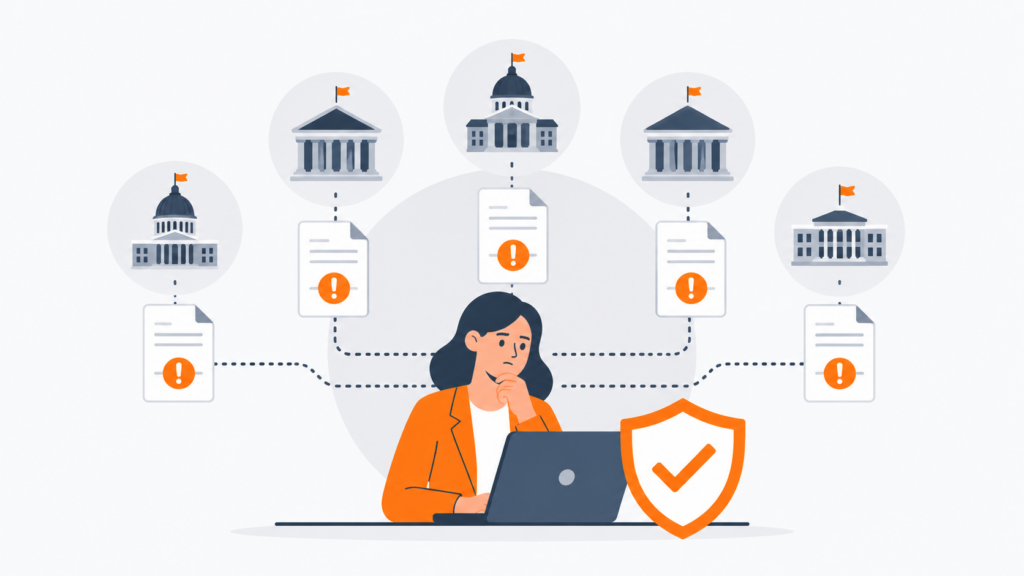
Think of SCORM as a master key that fits multiple locks. Just like a master key unlocks different doors within a system, SCORM enables courses created with various tools to function on any SCORM-compliant LMS. While not every LMS supports it, most standard ones do.
When an eLearning course is created using SCORM, it’s packaged into a ZIP file. This file is then uploaded to an LMS, where learners can access the course through their web browser.
Why is SCORM Important?
Before SCORM, eLearning content had compatibility issues. A course created for one system wouldn’t always work on another, which made switching platforms difficult. SCORM solved this problem by making eLearning content flexible and reusable.
Here’s why SCORM is useful:
- Works on Any SCORM LMS: You can use SCORM courses on different platforms without making changes.
- Saves Time and Money: You don’t have to rebuild courses for every LMS—SCORM makes them reusable.
- Tracks Learner Progress: It records course completion, test scores, and time spent learning.
- Provides a Smooth Learning Experience: SCORM ensures courses work the same way across different systems.
Because of these benefits, SCORM is widely used in corporate training, compliance programs, and online education.
How SCORM Tracks Learning Progress
SCORM tracks several key details to help trainers and organizations measure learning success. Some of the most important ones include:
- Session Time & Total Time: Tracks the amount of time the learner spends in the course.
- Lesson Status: Shows if the learner has completed, passed, failed, or left the course incomplete.
- Lesson Location: Saves where the learner last stopped.
- Suspend Data: Works like a bookmark, keeping track of specific details like the paragraph the learner was on.
- Interactions: Stores details such as responses to quiz questions and the time spent on them.
- Raw Score: The learner’s test score.
- Mastery Score: The required passing score.
SCORM Status Categories
A SCORM course reports a learner’s progress using four main status categories:
- Incomplete: The learner has started but not yet finished the course.
- Completed: The learner finished the course, but it may not have included a test.
- Passed: The learner completed the course and successfully passed an exam.
- Failed: The learner completed the course but did not achieve a passing score on the exam.
The Difference Between Completion and Passing
In SCORM, “completion” and “passing” are not the same. Here’s what each term means:
- Completed: The learner finished the course, but there was no test to pass.
- Passed: The learner finished the course and successfully passed an exam.
- Failed: The learner completed the course but did not pass the exam.
To understand the difference, think of a driving school. Attending all the classes means you have completed the course. However, you only get your license if you pass the driving test. If you fail the test, you have still completed the training, but you haven’t met the required standard to pass.
Should You Use SCORM for Your Training?
While SCORM is a popular standard for online training, not every program needs it. If you want to track learner progress, use the same training across different systems, and keep courses organized, SCORM can be a great choice. It helps businesses manage training easily and see how employees are learning. But if your training is simple and doesn’t need detailed tracking, SCORM might not be necessary. Think about your training goals and whether SCORM’s tracking and compatibility features will add value for you.
Do All SCORM LMSs Work the Same Way?
Not all SCORM-compliant LMS platforms offer the same experience. While they all support SCORM courses, features and ease of use can vary.
When choosing an LMS, consider:
- How easy it is to upload and manage SCORM courses
- The quality of tracking and reporting tools
- Whether it includes extra features like quizzes, certifications, or analytics
In a Nutshell
SCORM makes online learning easier, more flexible, and trackable. If you want to create structured training programs that work across different platforms and track learner progress, SCORM is a great choice. However, if you don’t need advanced tracking or structured courses, you might not need SCORM. It all depends on your training goals.
If you already have SCORM or xAPI courses, uploading them to KnowledgeCity is a breeze. Our LMS is fully SCORM- and xAPI-compliant, providing effortless tracking, management, and reporting. With advanced tools and dedicated support, we ensure your training success. Book a demo today!