The automation revolution is here, and it’s not going away anytime soon. Whether you work in an industry that is moving toward integrating artificial intelligence (AI) into its operations, or you have used it as a consumer when placing an order or playing a video game, you’ve been exposed to the wave of the future, and it’s fully automated.
What is AI and Automation?
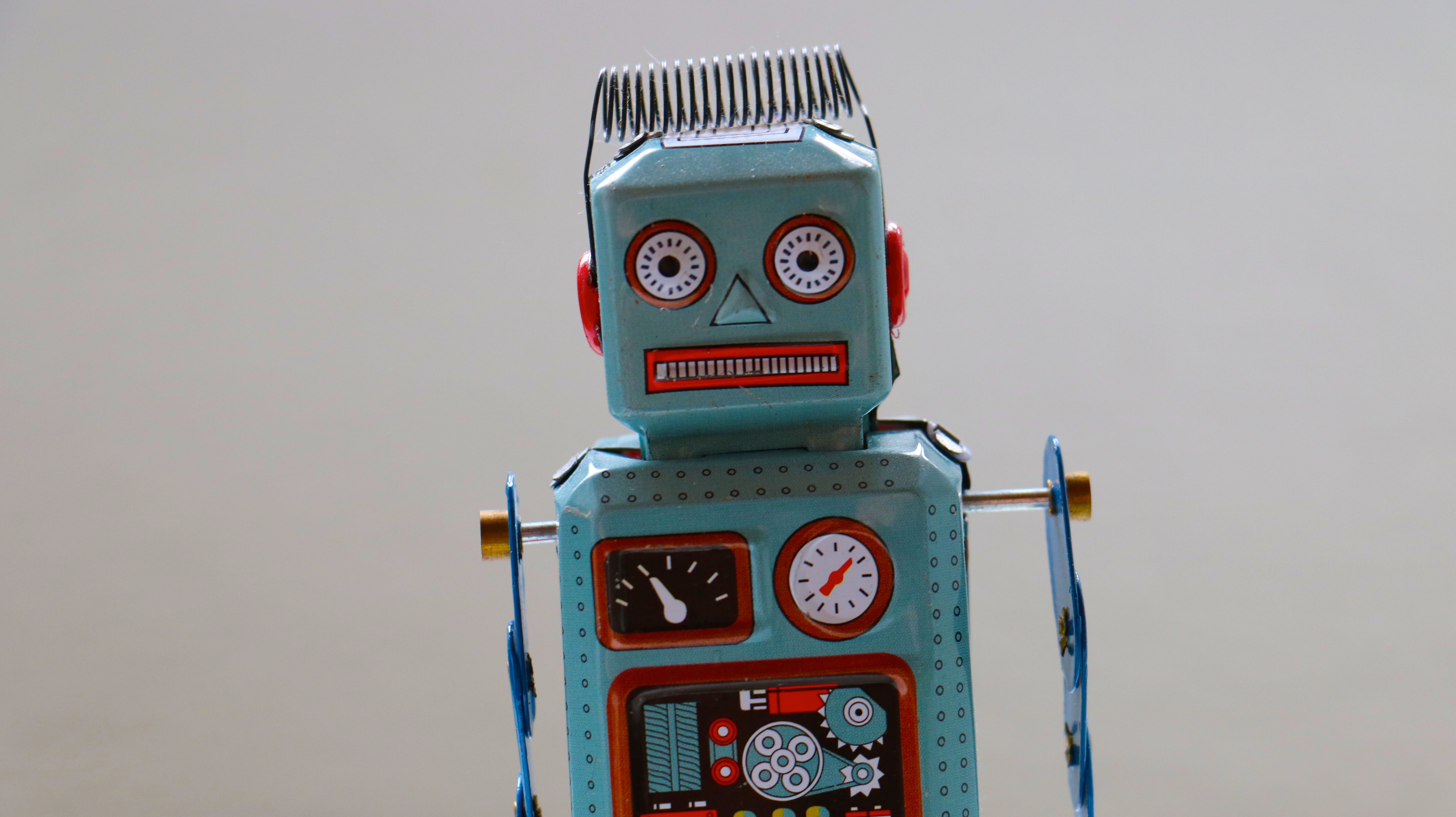
First things first, though. What is AI? If you watch futuristic science fiction movies, you may have a skewed idea of artificial intelligence. It is already working full-time in many areas, such as drones and online recommendation services, as well as virtual assistants like Apple’s Siri and Amazon’s Alexa. It is a broad title that includes robots and programs using either machine learning or deep learning. If it sounds complicated, that’s because it is.
Modern computers process information using data and algorithms, or use neural networks for decision-making. The key to using AI effectively is to understand how to control what is happening when AI makes decisions using those neural networks. The wrong decision, which may seem perfectly acceptable to the machine, may produce the wrong results in our world. So while AI is not something to be feared in the context of a robot uprising, it is something that needs to be studied, understood and controlled.
AI is an umbrella term for automating functions once done by humans. A chatbot is one form of AI generally used to replace human interactions. The Oxford Dictionary defines a chatbot as “a computer program designed to simulate conversation with human users, especially over the internet.” If you’ve ever used a customer service function and listened to the friendly voice walk you through your options and attempt to answer your questions, you’ve dealt with a chatbot.
Automation Advantages
The rise of automation, AI and chatbots in business stems from the bottom line: savings. It is cheaper to use an automation program, a robot, or a virtual assistant than to hire a person to do the same tasks. AI is especially handy for doing repetitive, automated tasks many human employees find boring. It can save wait times to talk to a real person on the other end of the line by answering most simple questions, and can even personalize a response instead of forcing the consumer to go through a long list of FAQs.
As a consumer, AI and chatbots can save you time by giving you the answers you want faster and more accurately and making fewer mistakes than their human counterparts. All well and good for consumers, but what about those who work in fields where AI is making inroads? What happens to their jobs?
Automation in the Workforce
According to a recent study, 47 percent of the total US employment is at risk of automation. We’re not just talking about customer service or factory jobs. There are already technologies that can replace web designers, online marketers, office managers, journalists, doctors and lawyers! The more sophisticated the technology becomes, and the more social AI and chatbots are designed, the more likely jobs that seemed solid and permanent will disappear. This is especially true in accounting, where payroll managers are already well on their way to being a thing of the past. Most accounting functions are likely to be automated in the near future.
What’s the good news? Someone has to create, develop and maintain AI and chatbot technology. This means many jobs formerly held by human beings will be turned over to AI, but managing those functions will still be done by humans. Upcoming generations of workers will need to learn new skill sets to keep abreast of these changes.
When the first Industrial Revolution began, workers feared machines would replace them completely. While automation did take away some jobs, these jobs were replaced with other jobs that previously didn’t even exist. Everyone wants a challenging job, and AI can be the catalyst to finding future jobs that may not even exist now. It will require a change in mindset as to what we view as work and how AI can help us do it better. It is a partnership in automation that will change our future world of work.