Enjoying the preview?
This is the free first lesson. Get full access — request a demo or sign in.
Enjoying the preview?
This is the free first lesson. Get full access — request a demo or sign in.
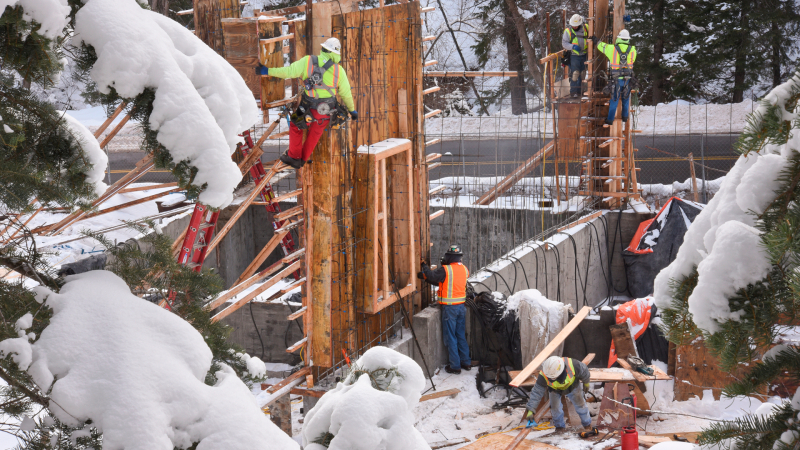
Cold stress happens when your body loses heat faster than it can replace it. In this Cold Stress in Transportation and Warehouse Environments course, you’ll learn what cold stress is, how to recognize common cold-related conditions, and how to respond and prevent injuries when working around docks, warehouses, or on the road
In this course, you’ll learn what causes cold stress, who may be at higher risk, and how to recognize warning signs before they become serious. You’ll review common cold-related conditions such as frostbite and hypothermia, along with other injuries caused by cold and wet conditions.
You’ll also learn practical response steps, including how to warm up safely, change out of wet clothing, and when to call for emergency help. Finally, you’ll cover simple prevention strategies you can use every day, like dressing in layers, taking warm-up breaks, using buddy checks, and following safe work practices that reduce exposure to cold, wind, and moisture
It is for people working around docks, warehouses, or on the road, where they may be exposed to cold, wind, and moisture.
It covers common cold-related conditions such as frostbite and hypothermia, along with other injuries caused by cold and wet conditions.
You will learn practical response steps, including how to warm up safely, change out of wet clothing, and when to call for emergency help.
The course covers simple prevention strategies you can use every day, like dressing in layers, taking warm-up breaks, using buddy checks, and following safe work practices that reduce exposure to cold, wind, and moisture.
Lessons include What Is Cold Stress?, Cold-Related Conditions, Treating Cold-Related Conditions, Safe Work Practices in Cold Environments, Engineering Controls and Using Tools in Cold Environments, and a Review.