Enjoying the preview?
This is the free first lesson. Get full access — request a demo or sign in.
Enjoying the preview?
This is the free first lesson. Get full access — request a demo or sign in.
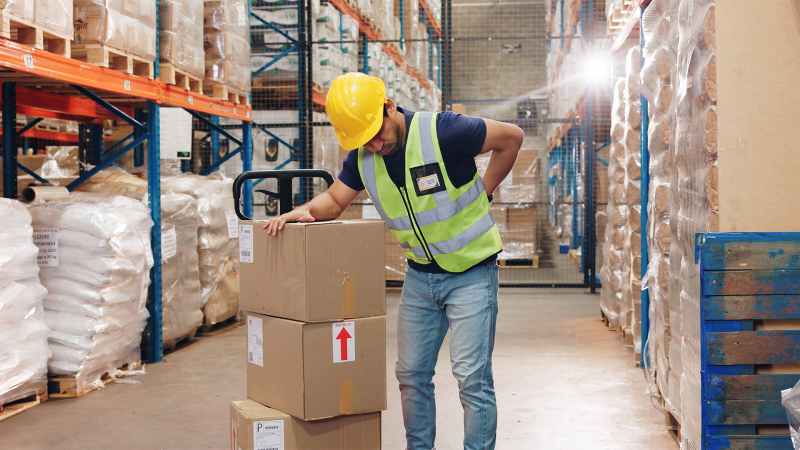
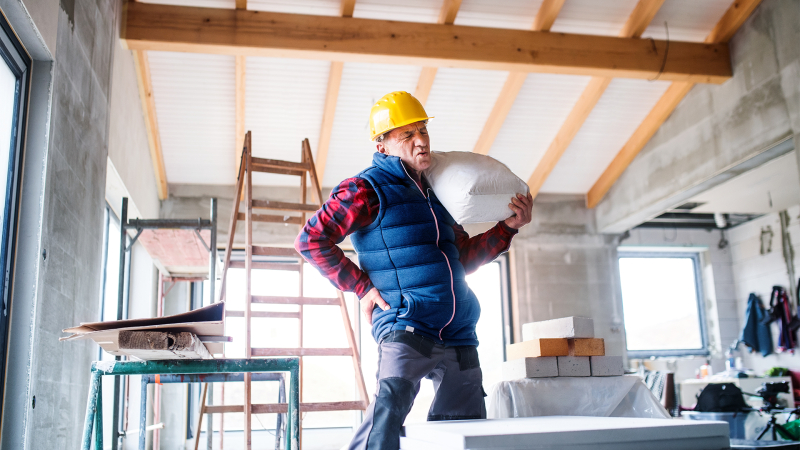
Transportation and warehouse work often involves lifting, carrying, reaching, and repetitive motion—all of which can put stress on the spine if not done correctly. In this Back Safety in Transportation and Warehouse Environments course, you’ll learn how to protect your back from strain and injury while working in physically demanding environments.
This course explains how the back functions and what factors increase the risk of injury, including poor posture, twisting, overreaching, and lifting heavy loads incorrectly. You’ll explore how to use safe lifting methods, such as bending at the knees, keeping the load close to your body, and moving your feet instead of twisting your torso. The course will also introduce you to tips to prevent back aches, such as opting for a neutral position to reduce the stress on your back when you're standing, sitting, or even sleeping.
You’ll learn how to exercise to ensure your spine is stronger, which sports to avoid, and which ones to perform. Understanding how to work with your body—not against it—can help you stay healthy and injury-free on the job.
It is designed for people working in physically demanding transportation and warehouse environments that involve lifting, carrying, reaching, and repetitive motion.
You will learn safe lifting methods such as bending at the knees, keeping the load close to your body, and moving your feet instead of twisting your torso to protect spinal alignment.
The course covers how the back works, types of back injuries, better posture, how to lift things safely, and taking care of your back 24/7, along with a review.
Yes. It covers maintaining a neutral position when standing, sitting, or sleeping, exercising to strengthen the spine, and which sports to avoid or perform.
You will gain skills in proper body mechanics, ergonomics, injury prevention, risk reduction, and understanding of Lifting Operations and Lifting Equipment Regulations.