Enjoying the preview?
This is the free first lesson. Get full access: request a demo or sign in.
Enjoying the preview?
This is the free first lesson. Get full access: request a demo or sign in.
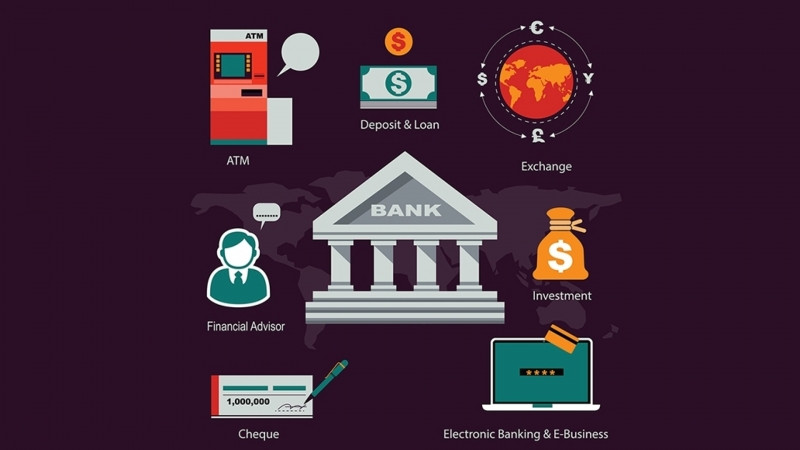
In this Introduction to Retail Banking course, you’ll explore how retail banks serve individuals and communities and the impact of technology on customer engagement. We’ll also look at the importance of trust and personalized service in building lasting customer loyalty. Retail banking institutions play a big part in daily financial life by providing savings and lending services and offering financial advice.
You’ll learn how customer-centric approaches and smart digital tools help banks connect with customers on a personal level and drive loyalty. The course will also cover the various types of banking institutions, from traditional banks to digital-only banks and credit unions, each offering unique benefits. In addition, you will gain an understanding of the regulatory framework that governs banks that helps protect both the financial system and customers through anti-fraud measures.
By the end of this course, you’ll recognize how retail banking shapes financial stability and growth, and how trust and innovation keep customers engaged and loyal.
It explores how retail banks serve individuals and communities, the impact of technology on customer engagement, the importance of trust and personalized service, the various types of banking institutions, and the regulatory framework that governs banks.
The course covers various types of banking institutions, from traditional banks to digital-only banks and credit unions, each offering unique benefits.
The course develops skills in Customer Relationship Management, Financial Law, and Retail Banking.
It examines the impact of technology on customer engagement and how customer-centric approaches and smart digital tools help banks connect with customers on a personal level and drive loyalty.
Yes. It covers the regulatory framework that governs banks and helps protect both the financial system and customers through anti-fraud measures, including the importance of compliance.