Skip to content
KnowledgeCity

Production Engineering Series

This course covers the completion of a well with all its factors to production.
Preview the first lesson free — get full access to all 23 lessons.
Course: On-Demand
Beginner Provider KnowledgeCity  5 chapters ·  23 Lessons ·  1h 5m  in Arabic, English 

Course Description

Once a well has been drilled, the production engineer is tasked with the difficult job of getting oil and gas from under the ground and into our homes, cars, or anywhere else it's needed. In further exploration of the oil and gas industry, this course covers the completion of a well with all its factors to production. Production includes types of flows, types of reservoirs, damage factors, and productivity. You will also learn about the different types of artificial surveys such as mechanical pumping, gas lifting, and pumping of progressive cavities, among others. You will complete the course with surface facilities where you'll receive an overview of separators, flow stations, storage tanks and more.

What You'll Learn

  • Compare different flow types and well types encountered in oil and gas production
  • Analyze how wells are damaged and how flow is affected, including damage and skin factors
  • Compare well completion methods, including casing, tubing, sand control, perforating, and stimulation
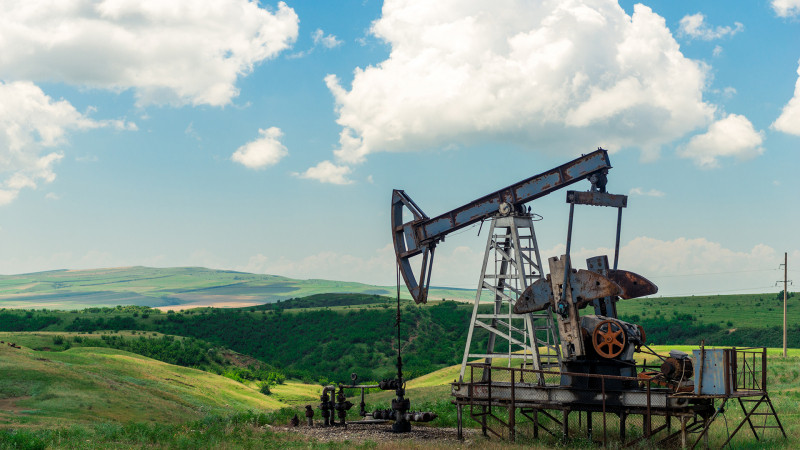
  • Apply artificial lifting methods and equipment such as sucker rod lift, gas lift, plunger lift, and electrical submersible pumps
  • Evaluate reservoir productivity, wellbore flow performance, and well deliverability
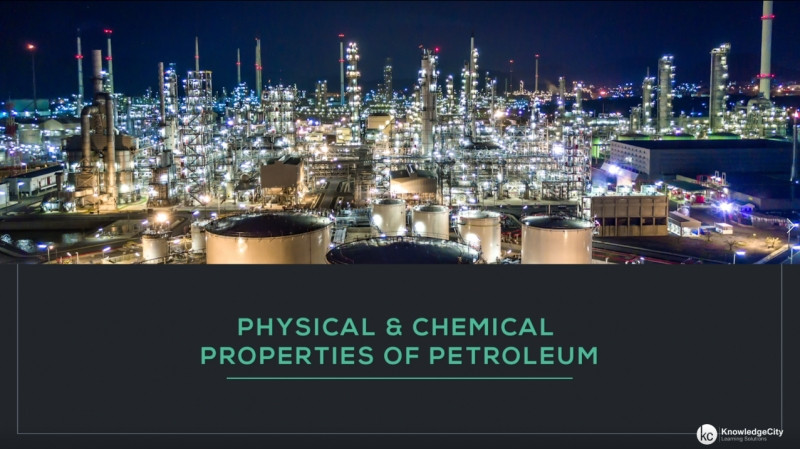
  • Explain surface facilities and transportation methods, including separators, flow stations, and storage tanks

Key Takeaways

  • The production engineer is tasked with getting oil and gas from under the ground to where it is needed after a well has been drilled.
  • Production covers types of flows, types of reservoirs, damage factors, and productivity.
  • Artificial lift methods include mechanical pumping, gas lifting, and pumping of progressive cavities, among others.
  • Well completion involves factors such as casing strings, tubing selection, sand control, perforating, and stimulation methods like matrix stimulation and hydraulic fracturing.
  • Surface facilities provide an overview of separators, flow stations, storage tanks, and preparing oil and gas for transportation.

Frequently Asked Questions

What does this course cover?

This course covers the completion of a well and its factors to production, including types of flows, types of reservoirs, damage factors, and productivity. It also covers artificial lift methods such as mechanical pumping, gas lifting, and pumping of progressive cavities, and concludes with surface facilities including separators, flow stations, and storage tanks.

What artificial lifting methods does the course teach?

The course covers artificial lifting methods and equipment including sucker rod lift, gas lift, plunger lift, electrical submersible pumps (ESP), and subsurface hydraulic pumps, as well as mechanical pumping and pumping of progressive cavities.

What skills will I gain from this course?

The course develops skills in Production Engineering, Petroleum Engineering, Drilling Engineering, Well Completion (Oil and Gas), Oil Well Workover, and Well Drilling.

What completion topics are included?

Completion topics include casing string and suspension, tubing selection and connections, sand control, multilaterals, perforating, matrix stimulation, hydraulic fracturing, and running completions.

What will I learn about surface facilities?

You will receive an overview of surface facilities including separators, flow stations, and storage tanks, and learn about separating and measuring produced fluids, preparing oil and gas for transportation, and disposal.