Enjoying the preview?
This is the free first lesson. Get full access: request a demo or sign in.
Enjoying the preview?
This is the free first lesson. Get full access: request a demo or sign in.
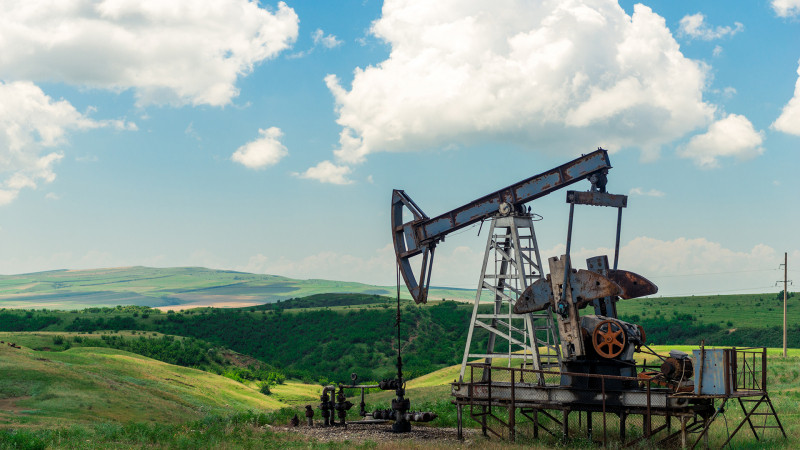
Society currently depends on crude oil and natural gas for survival and advancement, so drilling will continue for as long as reserves linger underneath the Earth’s surface. The good news is that there are measures being taken to improve the extraction processes and lessen their impact on our planet. The properties of petroleum have a major impact on the ways we locate, collect, and use this product. The environmental impacts of the various forms of petroleum production can be mitigated by increasing the development of renewable and biodegradable resources. Tapping new and less conventional sources can reduce environmental impact as technology advances, using less land and energy in the process, with less waste produced.
In this course, we’ll examine the hydrocarbon gases, non-hydrocarbon gases, synthesis gases, and gas hydrates found in petroleum wells. We’ll also discuss distillation and the many unconventional sources of petroleum besides traditional offshore or land-based wells, such as tar sands and oil shale. This course will also cover subjects like the different classifications of crude oil, tight oil, deepwater and ultra-deepwater oil, and the environmental impacts of unconventional petroleum sources.
The course examines hydrocarbon gases, non-hydrocarbon gases, synthesis gases, and gas hydrates found in petroleum wells. It also discusses distillation and unconventional sources of petroleum such as tar sands and oil shale, along with crude oil classifications, tight oil, heavy oil, deepwater and ultra-deepwater oil, and the environmental impacts of unconventional petroleum sources.
You will learn the different classifications of crude oil, including tight oil, deepwater, and ultra-deepwater oil, and how the physical and chemical properties of petroleum affect how it is located, collected, and used.
Yes. It covers the environmental impacts of new and unconventional petroleum sources and notes that these impacts can be mitigated by developing renewable and biodegradable resources and by tapping less conventional sources that use less land and energy and produce less waste.
The course relates to oil and gas, oil well operations, petroleum engineering, petroleum geology, and the petroleum industry.