Enjoying the preview?
This is the free first lesson. Get full access: request a demo or sign in.
Enjoying the preview?
This is the free first lesson. Get full access: request a demo or sign in.
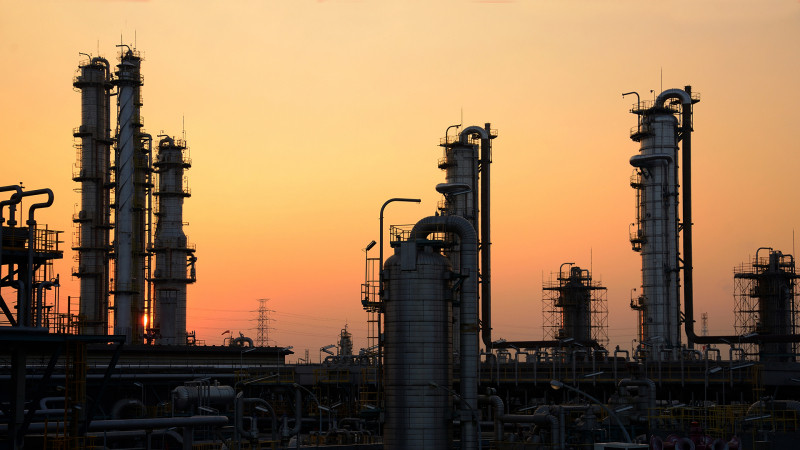
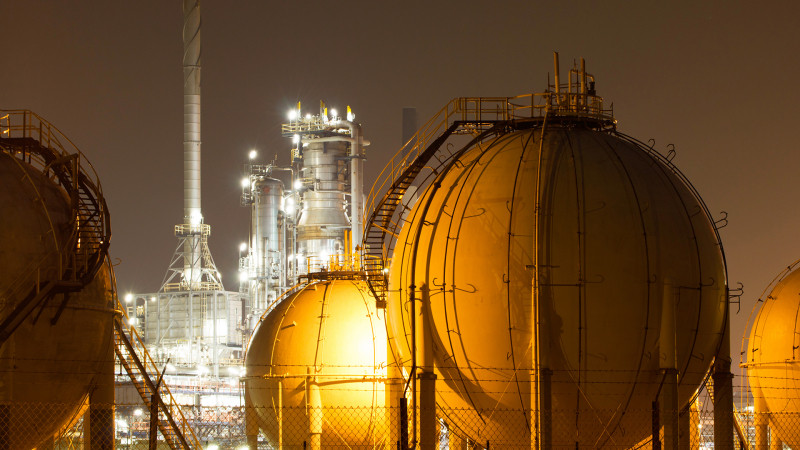
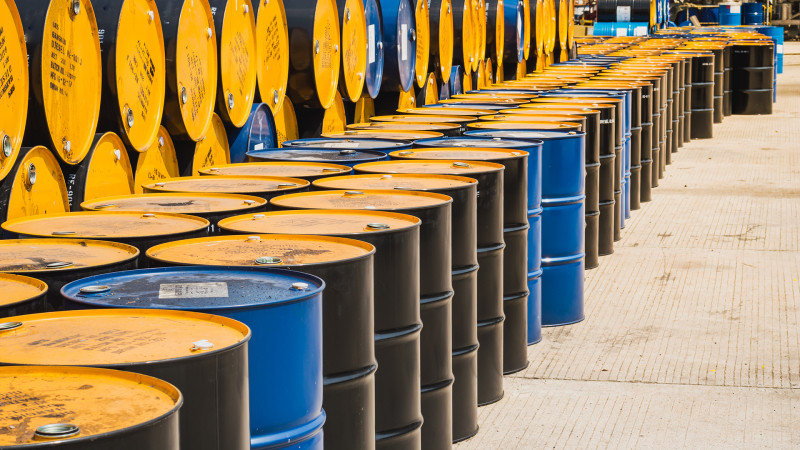
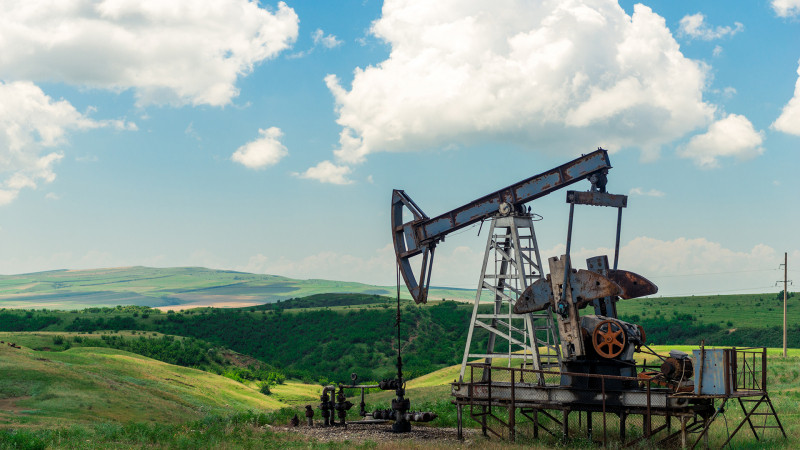
It takes a broad look at all the activities involved in petrochemical engineering, including the basics of hydrocarbons, the uses of petroleum products, how they are located and retrieved, and some of the risks involved with this industry.
You will learn about crude oil composition, its physical properties, boiling points, phase behavior, and how it is processed through fractional distillation and the conversion process.
Yes. It covers petroleum extraction and environmental impact, including hydraulic fracturing and seismicity, land use, drilling, and soil contamination, emissions, hydrocarbons in the environment, plastic and rubber pollution, oil depletion, and renewable energy.
The course relates to chemical engineering, petrochemical, petroleum engineering, petroleum industry, and process engineering, and is associated with petroleum engineering certification.
Petrochemical engineering is a field of engineering concerned with the production of crude oil and natural gas.