Beginner
Provider : Irasema Perrot
8 chapters · 22 Lessons · 30m
in Arabic, English, Spanish
Course Description
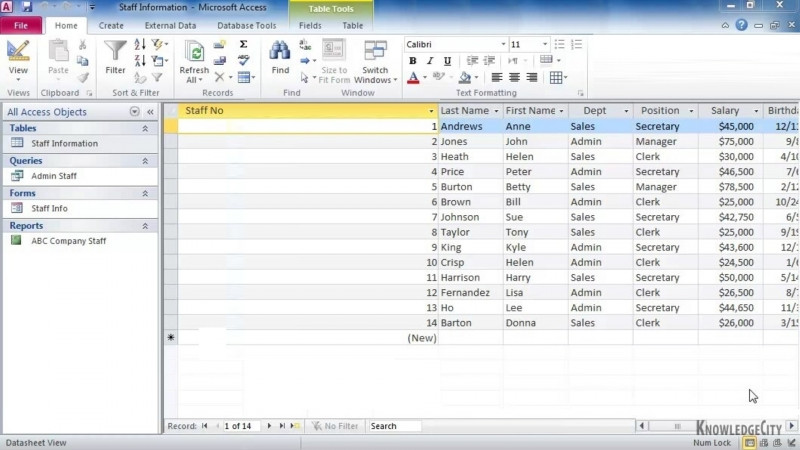
Discover all the exciting new changes to Access 2010. Learn about Access's new features, such as the Backstage View, compatibility with previous versions, the new ribbon, data trends, the Expression Builder, and improvements to macros. Develop your proficiency in Access and use the new features to make working with databases easy.
What You'll Learn
- Navigate the new Backstage View in Access 2010
- Locate, customize, and use the new ribbon and Quick Access Toolbar
- Publish Access databases to the web
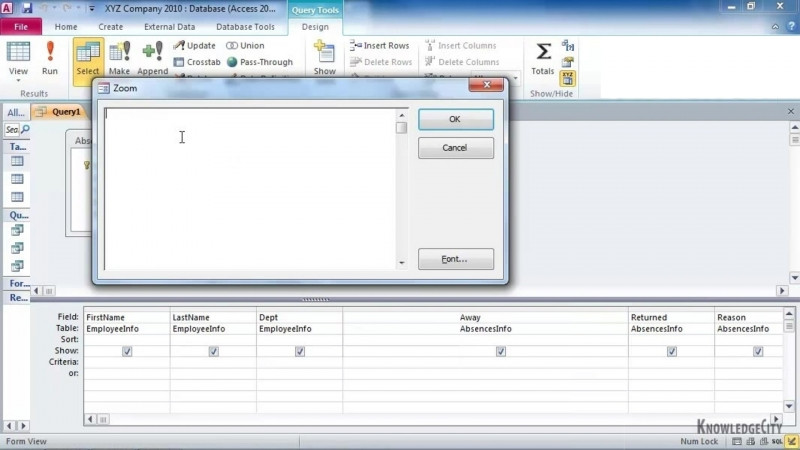
- Use the Expression Builder and create macros
- Apply data trends and allow multiple values in fields
- Email a database object and print a report
Key Takeaways
- Access 2010 introduces new features including the Backstage View, a new ribbon, the Expression Builder, data trends, and improvements to macros.
- The course covers compatibility between Access 2010 and previous versions.
- Learners practice publishing databases to the web and using templates.
- The course shows how to customize the ribbon and Quick Access Toolbar and locate commands.
- The course demonstrates working with database objects, including emailing a database object and printing a report.
Frequently Asked Questions
What does this course cover?
It covers the new features in Access 2010, including the Backstage View, compatibility with previous versions, the new ribbon, data trends, the Expression Builder, and improvements to macros.
What skills will I develop?
You will develop proficiency in Microsoft Access and use the new features to make working with databases easier. Related skills include Access Query Languages, Data Access, Database Upgrades, Information Access, and Microsoft Data Access Components.
Does the course address using Access with older versions?
Yes. It includes a lesson on compatibility with previous versions of Access.
Will I learn how to share or output database content?
Yes. The course includes lessons on publishing to the web, emailing a database object, and printing a report.