KnowledgeCity

Understanding Creativity

What does it mean to be creative?

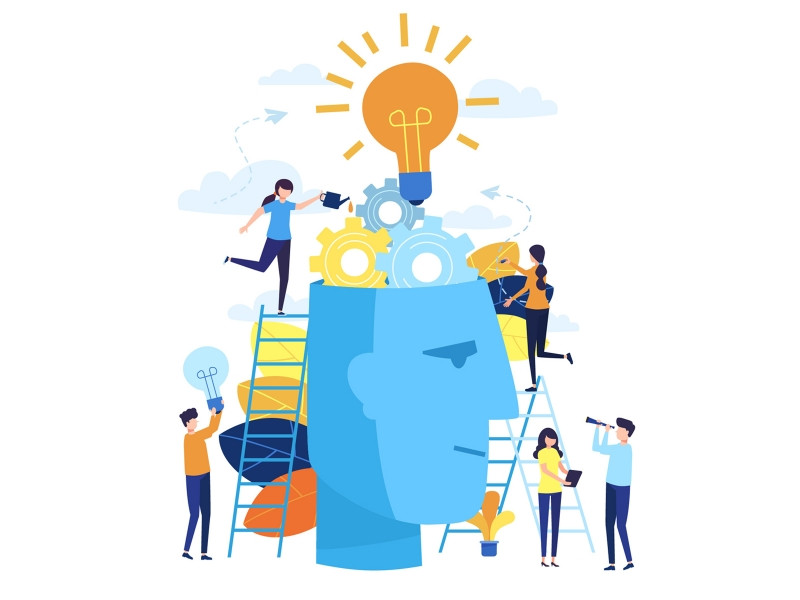
What does it mean to be creative? Creativity’s definition is abstract, but knowing its nature is helpful towards learning how to use it in ways that benefit your business. It’s not as simple as trying to do things differently from how they've already been done. Instead, creativity is about making something that’s both innovative and useful. You’ll see some examples of that—like the storied history of bubble wrap—in this Daniel Cape-penned module.

This module will also show you the complexities of creativity and give you the know-how to harness your own creativity. You will understand creativity at its most basic incarnation before moving onto its four levels: personal, everyday, professional, and eminent. Understanding these four types of creativity is crucial, because it will help you identify your own creativity, as well as dispose of misconceptions that will inhibit your own creative potential. To cap it all off, you will learn how to create a culture that encourages creativity in your workplace. This will help to empower your business and make it ready to adapt to unforeseen changes.

Learning Objectives:

  • Know the basic definition of creativity and what it involves
  • See the business potential in creativity
  • Differentiate between the four levels of creativity
  • Know how to create a pro-creativity culture by creating trust and safety

Author: Daniel Cape

Duration: 15m · 4 lessons
Level: Beginner
Language: English

What You'll Learn

  • Define creativity and understand what it involves
  • Recognize the business potential of creativity
  • Differentiate between the four levels of creativity: personal, everyday, professional, and eminent
  • Build a pro-creativity culture by creating trust and safety
  • Identify your own creativity and dispose of misconceptions that inhibit your creative potential

Key Takeaways

  • Creativity is about making something that is both innovative and useful, not simply doing things differently from how they have been done before.
  • Creativity has four levels: personal, everyday, professional, and eminent.
  • Understanding the four types of creativity helps you identify your own creativity and dispose of misconceptions that inhibit your creative potential.
  • Creating a culture that encourages creativity helps empower a business and makes it ready to adapt to unforeseen changes.
  • A pro-creativity culture is built by creating trust and safety in the workplace.

Frequently Asked Questions

What does this course cover?

The module covers the basic definition of creativity and what it involves, the four levels of creativity (personal, everyday, professional, and eminent), and how to build a culture of creativity in the workplace. Lessons include Defining Creativity, The Four Levels of Creativity, Building a Culture of Creativity, and a Test Your Knowledge section.

What are the four levels of creativity taught in this module?

The four levels of creativity covered are personal, everyday, professional, and eminent.

Who wrote this module?

This module was penned by Daniel Cape.

How does this course relate to business?

The course shows the business potential in creativity and teaches how to create a pro-creativity culture through trust and safety, helping to empower your business and make it ready to adapt to unforeseen changes.

What skills will I gain from this course?

You will learn to define creativity and what it involves, see the business potential in creativity, differentiate between the four levels of creativity, and create a pro-creativity culture by building trust and safety.


Transcript

Show transcript (free preview lesson)

Transcript of the free preview lesson. Remaining lessons unlock with the full course.

Are you creative? How do you know? Creativity is an abstract concept that can be challenging to define. Understanding the nature of creativity can help us to be deliberate in our actions that are aimed at creative accomplishments. Let's explore several ways of defining and identifying creativity. The simplest way to define a creative product is something that is useful and new. A more comprehensive definition of creativity comes to us from an article in the educational psychologist journal titled; why isn't creativity more important to educational psychologists? Potentials, pitfalls and future directions in creativity research. The article defined creativity as; the interaction among aptitude, process and environment by which an individual or group produces a perceptible product that is both novel and useful defined with a social context. This definition helps us understand what creativity involves. Aptitude or potential of what can be, the process, environment and usefulness of the product and the application of the product within the social context. You might invent an amazing product but if it's not accepted within a field or a society, then it will not succeed. An example of this comes from the 1950s when two engineers named Fielding and Chavannes invented 3D wallpaper by fusing together shower curtains. The idea was a flop since no one wanted 3D wallpaper. Next, they tried to rebrand the creation as greenhouse insulation. This was also a failure. A few years later, when IBM was ready to send out their first shipment of computers, they needed to keep them protected from damaged during shipment. Someone remembered 3D wallpaper and had the idea of using it as padding. This is how bubble wrap was born. This example demonstrates how a product can be creative but not useful upon its first application. It also highlights the process of creativity and how ideas develop over time. Perhaps a more actionable explanation of creativity comes from creativity and education consultant, Dr. Cindy Burnett, who said creative thinking is more than coming up with new ideas. It is about living life in a way that is open, authentic and curious. It is a mindset and approach to everything we do. We can deliberately apply this to our lives in ways that will lead to creative achievements. This shows us that creativity is not something we use only under special circumstances or something we pull out of our back pockets. It is a mindset and approach to everything we do. We must be open to new ideas and methods, alternative perspectives and information that challenges our assumptions. We must be authentic and true to ourselves and our intuitions. This includes candid feedback and open communication among coworkers. We must be curious and take in new information. Curiosity leads to new information, insights and new possibilities. All of these are habits and traits we can adopt that will lead to greater creativity. Take a moment and think about a creative product you've seen lately. What problem does it solve? What do you know about its creator and how they arrived at the solution to the problem? How can you begin to apply Dr. Burnett's explanation of creative thinking to your life. Now that you know how to identify creative products and think more creatively, let's dive into a more thorough investigation of the levels of creativity to help you identify it in yourself and others.

Learn on the Go

Take your learning anywhere — the KnowledgeCity mobile app lets you watch lessons on the go.