
If you work in HR or L&D, this probably sounds familiar. A high-performing employee gets promoted to a manager role. You do all the right things. Leadership training is assigned. Programs are completed. Compliance boxes are checked. On paper, everything looks perfect.
Then the real work begins. Within a few months, teams start missing deadlines. Feedback conversations are delayed or avoided. Small conflicts grow bigger. Productivity feels uneven. Before long, HR and L&D are stepping in to fix problems that training was supposed to prevent.
It raises a frustrating question. If training is completed, why does the manager still feel unsteady?
The answer is not that managers are failing or that training is ineffective. The issue is more specific. Training often teaches managers what leadership looks like, but not how to practice it when the pressure is real. Managers can have all the knowledge in the world and still feel unprepared for the everyday decisions that define leadership.
To solve this, we need to understand exactly where readiness breaks down and what needs to change in how we develop managers.
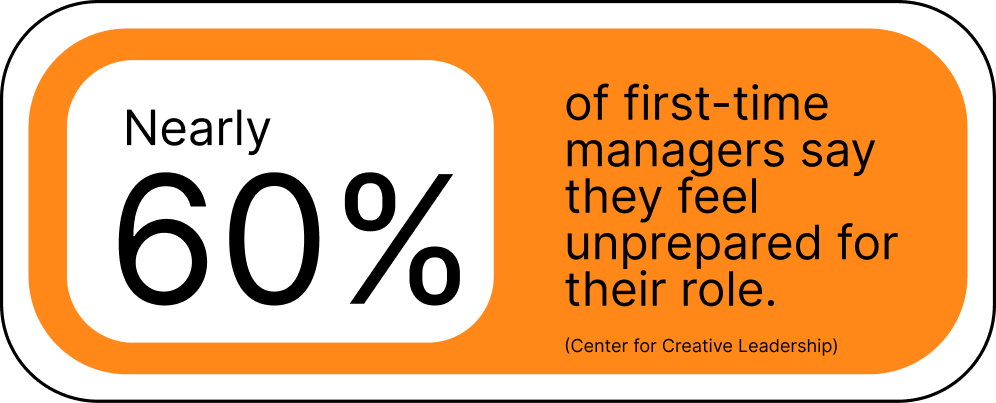
Understanding the Gap Between Training and Manager Readiness
Leadership training gives managers structure. They learn frameworks, principles, and expectations. This foundation is important because it creates alignment across teams and a shared language for leadership.
The challenge comes when managers try to put this knowledge into practice. Training happens in controlled environments. Real leadership happens in fast-moving, sometimes emotional situations. Managers are no longer picking the right answer from a slide. They are choosing what to say, when to say it, and how to respond to the consequences.
Most new managers know what good leadership looks like. What they often lack is confidence in applying it. They hesitate, overthink, or delay decisions because they have not yet built judgment through real-life experience.
This is why completing training alone does not equal readiness. True readiness shows itself in behavior, consistency, and decision-making under pressure. Understanding this gap helps explain why challenges appear after promotion rather than before it.
The Core Challenges New Managers Encounter
Once managers step into the role, predictable challenges appear quickly:
- Relationships Change
Leading former peers changes everything. Managers must establish authority while maintaining trust. Conversations that were once casual now carry weight. Even small missteps can affect credibility. - Feedback Is Hard
Managers are expected to address issues early, clearly, and fairly. Many hesitate, hoping problems will resolve on their own. When they don’t, misalignment grows. - Workload Shifts
Managers must balance their own work with enabling their team to succeed. Delegation and prioritization become daily decisions. Without confidence, managers either hold on too tightly or step back too far. - Team Dynamics Add Complexity
Conflicts, differing personalities, and competing priorities require judgment that develops through experience, not theory alone. - Alignment With Organizational Priorities
Stakeholder management and consistent follow-through are skills learned over time, not simply taught.
These challenges are normal. They show why training alone is not enough. Managers need development designed to match how readiness actually grows.
Why Manager Development Needs to Be a Process
Understanding the challenges explains what goes wrong, but it does not solve the problem. What needs to change is how manager development is designed. Readiness does not appear at one moment. It develops gradually as managers gain experience, reflect, and adjust their behavior.
A structured development approach supports managers before promotion, during the transition, and as they settle into the role. Each stage builds on the previous one, turning knowledge into leadership capability. This approach changes manager development from a one-time event into a guided journey. And this journey needs to start earlier than most organizations expect.
-
Preparing Managers Before Promotion Happens
The strongest manager transitions rarely begin with promotion.
Future managers benefit from early exposure to leadership responsibilities. Observing how managers handle feedback, conflict, and decision-making helps build realistic expectations. Small leadership opportunities give employees a chance to practice influence without full accountability.
This preparation gives context to training. When employees later complete leadership programs, the content connects to experiences they have already seen or partially lived.
Promotion then feels less abrupt. Managers enter the role with fewer surprises and a clearer sense of what is expected. Still, preparation alone is not enough. The transition period itself requires focused support.
-
Supporting Managers During The Transition Period
The first months in a manager role are critical. This is when uncertainty is highest, and habits form quickly. Managers are deciding how to handle feedback, delegation, and accountability. Without guidance, early hesitation or overcorrection can become habits.
Structured transition support helps managers apply learning in real situations. Ongoing guidance, reinforcement, and reflection let managers test decisions, learn from outcomes, and build confidence.
This support bridges the gap between knowing and doing. It ensures that training stays practical once managers return to their teams. Once managers feel more confident, development becomes most effective when it is part of daily work.
-
Embedding Learning Into Everyday Manager Work
Managers grow through repetition, not reminders. Leadership skills strengthen when applied during real conversations, prioritization decisions, and team interactions. When learning is embedded into daily work, it becomes practical and long-lasting.
HR and L&D can support this by creating simple structures for reflection and reinforcement. Managers begin to internalize behaviors like delegation, feedback, and prioritization because they practice them consistently.
This daily application naturally leads to a deeper shift every new manager must make.
-
Helping Managers Shift From Doing Work To Leading People
Many new managers continue measuring success by their personal output. This is natural, especially for high performers. But this mindset limits team growth and adds unnecessary pressure.
As managers start seeing their role as enabling others, behavior changes. Delegation improves. Feedback becomes clearer. Teams gain confidence because expectations are consistent.
This shift does not happen through instruction alone. It develops through reinforcement, experience, and support over time. Once managers adopt this mindset, organizations can see whether development efforts are working.
-
Measuring Leadership Readiness Through Real Outcomes
Training completion shows participation. Leadership effectiveness shows readiness.
HR and L&D should focus on observable behaviors and business outcomes:
- Are feedback conversations happening early and regularly?
- Are teams aligned?
- Are decisions consistent?
- Are managers handling conflict confidently?
These indicators show whether development is translating into leadership capability. Measurement also helps refine programs, so support evolves with the manager’s needs. This feedback loop allows organizations to build sustainable manager development.
Building A Sustainable Manager Development Framework
What needs to change is not the training itself. What needs to change is how training is extended.
A sustainable framework connects:
- Preparation before promotion
- Structured transition support
- Learning embedded into daily work
- Mindset reinforcement
- Outcome-based measurement
When these elements are connected, managers are no longer left to figure out leadership on their own. Teams experience stability. HR and L&D spend less time intervening reactively. Manager development becomes a strategic system rather than a series of disconnected efforts.
Closing the Gap Between Training and Leadership
Overtraining without practical preparation creates frustration for managers, teams, and HR alike. Knowledge alone does not create readiness. Supported application does.
By treating manager development as a continuous process rather than a single event, HR and L&D professionals can close the gap between training and real leadership performance.
When this shift happens, managers lead with confidence, teams perform with clarity, and organizations build leadership strength that lasts.

 KnowledgeCity











Subscribe to Our Newsletter
Join 80,000+ Fellow HR Professionals. Get expert recruiting and training tips straight
to your inbox, and become a better HR manager.