Enjoying the preview?
This is the free first lesson. Get full access: request a demo or sign in.
Enjoying the preview?
This is the free first lesson. Get full access: request a demo or sign in.
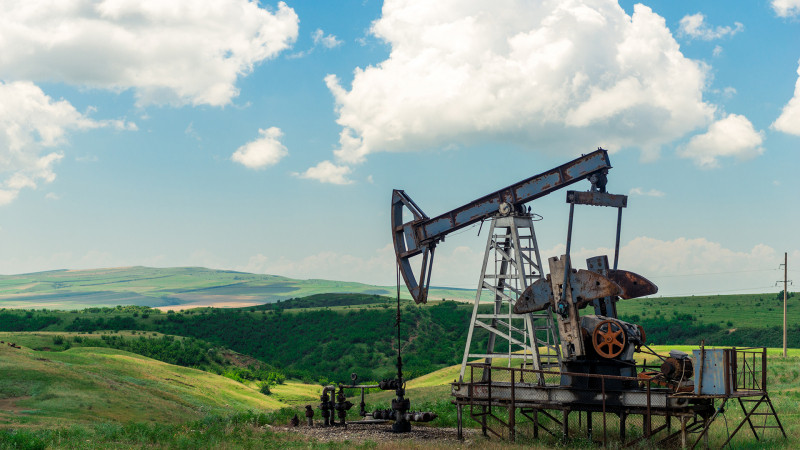
Recognizing the unique hazards of a well site and rig is vital in being able to take adequate precautions to ensure all workers are safe. Understanding how to prepare a site and following up with a firm grasp of the various processes that are part of well setup, transporting, and rigging are fundamental components of any safety protocols and program.
In this course on Petroleum Well Site and Rig Safety, we’ll provide key information that you can add to your general and well- and rig-specific safety policies and procedures. We’ll discuss the importance of site preparation to reduce potential hazards. We’ll also take a closer look at the dangers related to specific well site processes, and then we’ll move on to explore safety considerations for all aspects of rig setup and operation.
It covers recognizing the unique hazards of a well site and rig, the importance and steps of site preparation, the dangers related to specific well site processes such as well setup and transporting, and safety considerations for all aspects of rig setup and operation.
Lessons include Site Preparation; Excavation and Trenching; Conductor Hole Rathole and Mousehole; Transporting; Rigging; Setting Up the Substructure; Rig Floor and Mast or Derrick; Installing the Power System; Rigging Up the Circulating System; Installing the Auxiliary Equipment; Inspecting the Rig; and Rigging Down.
You will be able to discover the importance and steps involved in site preparation, learn the unique dangers in well setup and transporting and best practices to avoid them, and understand the potential hazards in rig setup and operation and how to reduce their threat.
It relates to skills including Basic Offshore Safety Induction and Emergency Training (BOSIET), Drilling, Oil Rig, Oil Well Workover, Well Drilling, and Petroleum Engineering Certification.