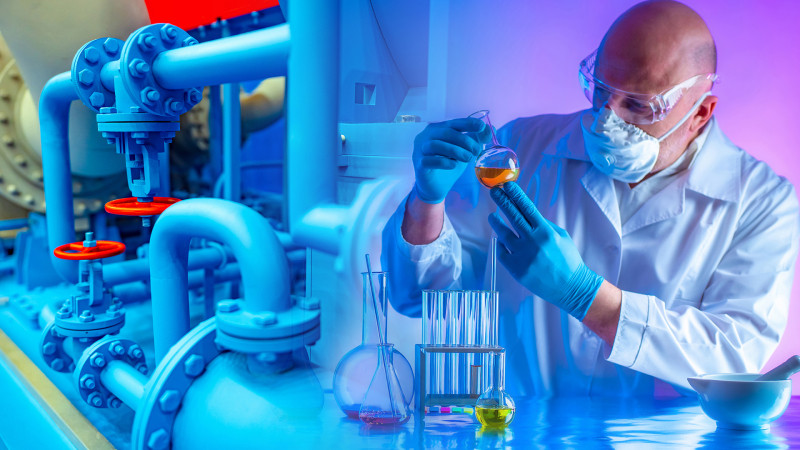
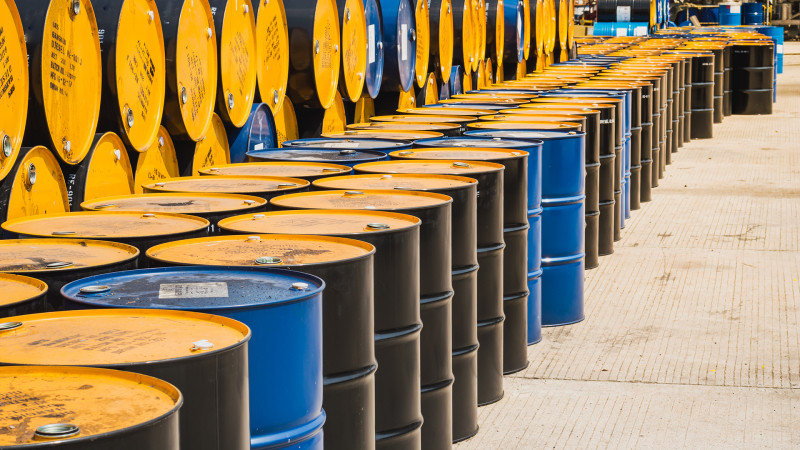
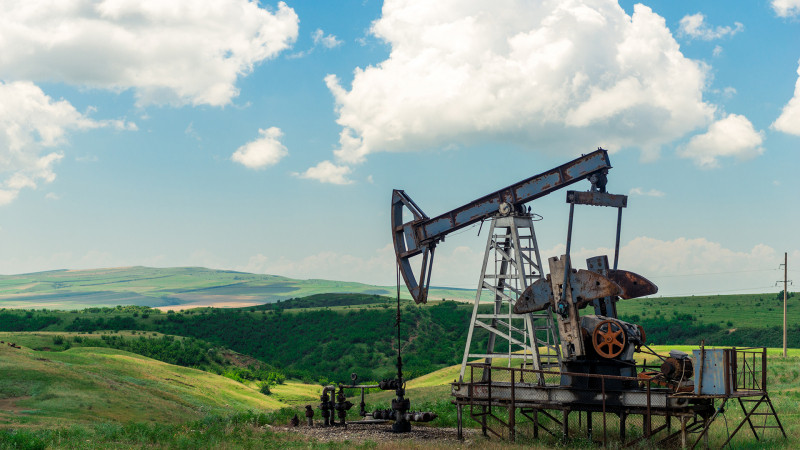
The use and application of thermodynamics is important to all facets of the petroleum industry.
The use and application of thermodynamics is important to all facets of the petroleum industry. This can range from production and refining of crude oil to the processing of petrochemicals. This course is designed to help you understand the basic concepts of thermodynamics.
The complexity of petroleum refining operations requires learning how to determine the heat and work associated with changes in state of hydrocarbon fluids. This is where thermodynamics comes in. This course will discuss heat and energy as they relate to thermodynamic theory, equilibrium, thermodynamic systems, and the thermodynamic cycle.
Learning Objectives
- Evaluate the concept of equilibrium
- Discuss the elements and boundaries of a thermodynamic system
- Identify the three thermodynamic systems
- Explain the thermodynamic cycle
- Categorize the concepts of heat and energy in thermodynamics
Skills you’ll gain
Chemical EngineeringChemical ThermodynamicsOil RefiningPetroleum EngineeringPetroleumsPetroleum IndustryWhat You'll Learn
- Evaluate the concept of equilibrium in thermodynamics
- Identify the elements and boundaries of a thermodynamic system, including the three thermodynamic systems
- Explain the thermodynamic cycle
- Categorize the concepts of heat and energy in thermodynamics
- Apply basic thermodynamic concepts to petroleum production, refining, and petrochemical processing
Key Takeaways
- The use and application of thermodynamics is important to all facets of the petroleum industry, from production and refining of crude oil to the processing of petrochemicals.
- The complexity of petroleum refining operations requires determining the heat and work associated with changes in state of hydrocarbon fluids, which is where thermodynamics comes in.
- The course covers heat and energy as they relate to thermodynamic theory, equilibrium, thermodynamic systems, and the thermodynamic cycle.
- There are three thermodynamic systems, along with the elements and boundaries that define a thermodynamic system.
Frequently Asked Questions
What does this course cover?
The course discusses heat and energy as they relate to thermodynamic theory, equilibrium, thermodynamic systems, and the thermodynamic cycle, with lessons on Equilibrium, Thermodynamic Systems, Thermodynamic Cycle, and Heat and Energy.
Who is this course for?
It is designed for those in the petroleum industry, as the use and application of thermodynamics is important to all facets of the field, from production and refining of crude oil to the processing of petrochemicals.
What skills will I gain from this course?
The course builds skills in chemical engineering, chemical thermodynamics, oil refining, petroleum engineering, and the petroleum industry.
Why is thermodynamics relevant to petroleum refining?
The complexity of petroleum refining operations requires learning how to determine the heat and work associated with changes in state of hydrocarbon fluids, which is where thermodynamics comes in.
Is there a way to check my understanding?
Yes, the course includes a Test Your Knowledge lesson in addition to the topic lessons on Equilibrium, Thermodynamic Systems, Thermodynamic Cycle, and Heat and Energy.

Transcript
Show transcript (free preview lesson)
Transcript of the free preview lesson. Remaining lessons unlock with the full course.
Equilibrium. Equilibrium is a condition where bodies or spaces are at rest, and there are no active thermodynamic changes, changes in heat or pressure occurring. The concept of equilibrium can apply to particles as small as single cells, or as large as the planets in the universe. All could be in equilibrium where there is no act of transfer of heat or pressure occurring. Balance is a key concept in considering equilibrium. By definition, equilibrium is a state in which opposing forces or influences are balanced. In our own experiences, we referred to losing our equilibrium if we trip over a rock and temporarily lose balance. We recover equilibrium when we regain balance and can stand or walk again. In the physical world, if various pressures are balanced and changes are minimized, we would consider the environment to be in equilibrium. Forces may still exist, but cancel each other out, so the net force is zero and the object remains in equilibrium. Some objects may even be moving with relatively few opposing forces. This is referred to as dynamic equilibrium. A car for example, traveling at a constant speed would be in dynamic equilibrium, but accelerating or applying the brakes eliminates equilibrium since we're making one force override another. As heat energy is introduced, the body may change its thermodynamic state, which is the specific set of conditions that make up an environment. Changes in the conditions, also called variables, cause changes to the thermodynamic state. Some of the variables affecting the thermodynamic state could include temperature, pressure, volume, or force. Water changes its thermodynamic state when we put a pan on a hot stove and the temperature rises. The water eventually boils, and some of it turns into steam. The process of changing states is called the thermodynamic process. If a body is an equilibrium, then one or more variables change, a thermodynamic process is triggered. Scientists have defined four types of thermodynamic processes. In an isothermal process, temperature remains constant, but other variables change. Adiabatic refers to the heat content or quantity of matter remaining constant. Isochoric identifies a process where the volume of the system remains constant, and Isobaric refers to pressure of the system remaining constant.
Learn on the Go
Take your learning anywhere — the KnowledgeCity mobile app lets you watch lessons on the go.