Enjoying the preview?
This is the free first lesson. Get full access: request a demo or sign in.
Enjoying the preview?
This is the free first lesson. Get full access: request a demo or sign in.
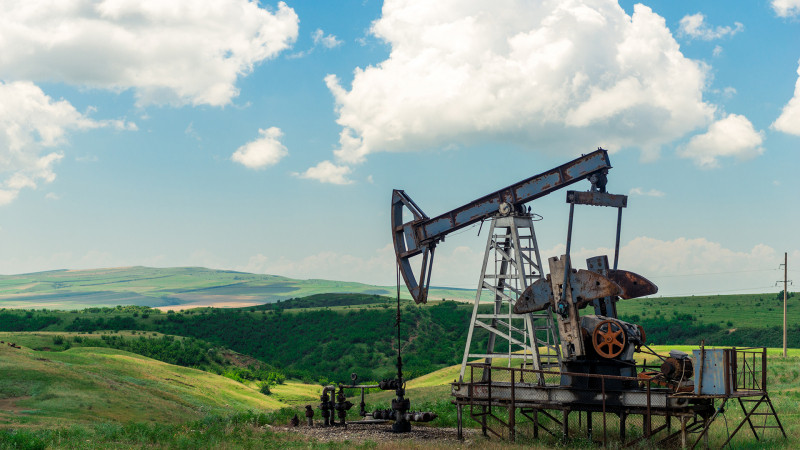
Artificial lift equipment is used within oil wells to increase pressure in a reservoir, encouraging oil to the surface. In this course, you will learn about various types of artificial lift systems, their uses, and their advantages. By the end of this course, you will be able to differentiate between artificial lift systems and understand when each should be used.
We will discuss electrical submersible pumps (ESP), an artificial lifting system used to displace volumes of crude oil. We will also discuss progressive cavity pumping which can be used in the production of very viscous fluids and has many benefits, including low capital investment. This course will help you understand the purpose and benefits of a plunger lift for maximizing natural gas production and removing contaminants. We will also explore the process and uses of artificial gas lifts, including the difference between continuous gas injection and intermittent gas flow. Finally, we will discuss subsurface hydraulic pumps.
The course covers sucker rod lift, gas lift, plunger lift, electrical submersible pumps (ESP), and subsurface hydraulic pumps, and it also discusses progressive cavity pumping and artificial gas lifts.
By the end of the course you will be able to differentiate between artificial lift systems and understand when each should be used, describe the different types of artificial lift equipment, explain the benefits of a plunger lift, and understand the difference between continuous gas injection and intermittent gas flow.
Artificial lift equipment is used within oil wells to increase pressure in a reservoir, encouraging oil to the surface.
The course develops skills in artificial lift, hoisting, lifting equipment, oil pressure, petroleum engineering, and plunger lift.
Progressive cavity pumping is covered because it can be used in the production of very viscous fluids and has many benefits, including low capital investment.