Enjoying the preview?
This is the free first lesson. Get full access: request a demo or sign in.
Enjoying the preview?
This is the free first lesson. Get full access: request a demo or sign in.
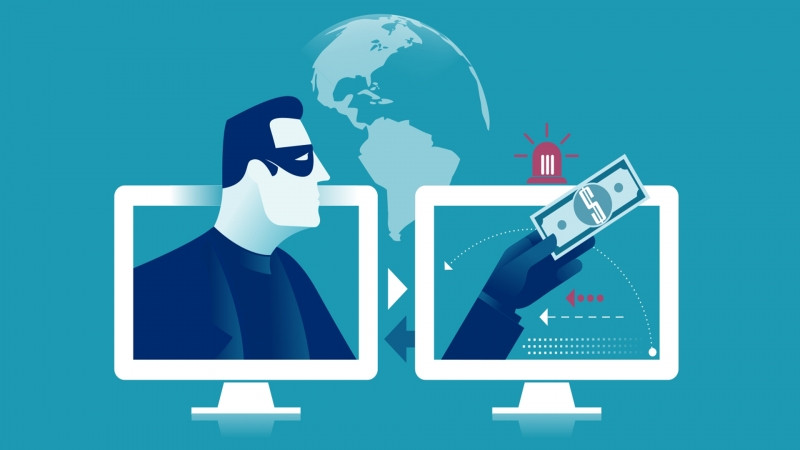
So many times, we find ourselves reacting to an unexpected situation. We either didn’t have or didn’t take time to prepare adequately for it. Other times, we forecast potential issues and plan to deal with them. We act proactively in these cases and the outcome is usually much better. The same is true of technology. As technology evolves, cybersecurity must adjust to mitigate issues. The only way to get in front of attacks is to be proactive. The best approach to cybersecurity is to implement proactive solutions to reduce an organization’s security risk before an attacker exposes or exploits a weakness.
These lessons on Proactive Security and Threat Intelligence will explore the difference between proactive and reactive security. You’ll gain insight into why proactive security is preferred and how threat intelligence is part of proactive measures. You’ll learn about the different types of threat intelligence, such as strategic, tactical, and operational, what each is comprised of, and how to apply each in security preparations.
This course explores the difference between proactive and reactive security, why proactive security is preferred, and how threat intelligence is part of proactive measures. It covers the different types of threat intelligence (strategic, tactical, and operational), what each is comprised of, and how to apply each in security preparations.
The lessons cover Proactive Security Versus Reactive Security, Types of Threat Intelligence, and Benefits of Proactive Security.
The course builds skills in Cyber Threat Intelligence, Security Strategies, Threat Assessment, Threat Detection, Threat Management, and Threat Modeling.
The learning objectives are to identify reactive and proactive solutions, understand the types of threat intelligence, and understand the benefits of proactive security.
The course explains that the best approach to cybersecurity is to implement proactive solutions to reduce an organization's security risk before an attacker exposes or exploits a weakness, and that being proactive is the only way to get in front of attacks as technology evolves.