Enjoying the preview?
This is the free first lesson. Get full access — request a demo or sign in.
Enjoying the preview?
This is the free first lesson. Get full access — request a demo or sign in.
It covers how the three pillars of the information security spectrum (people, processes, and technology) are used to build cybersecurity programs and create measures to identify and combat attackers, as well as the three pillars used by hackers (tactics, techniques, and procedures) and how to recognize each.
The three pillars of the information security spectrum are people, processes, and technology.
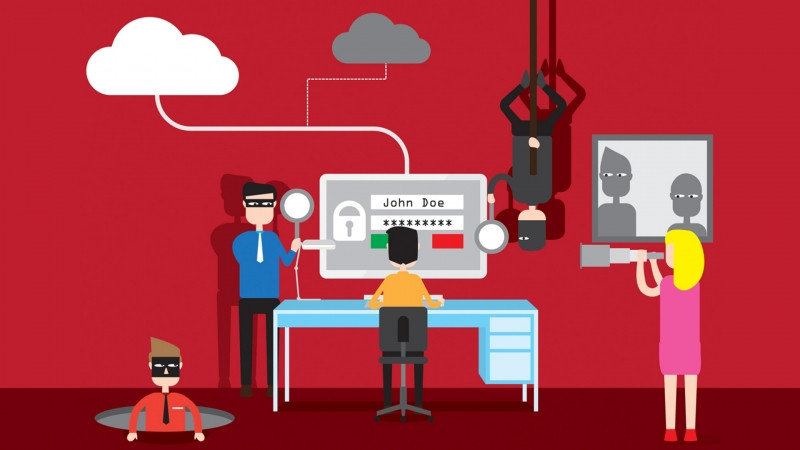
TTPs are the three pillars used by hackers: tactics, techniques, and procedures. The course teaches how to recognize each and covers the importance of understanding them.
The course develops skills in cyber security, cyber security management, cyber security strategy, information security management, information technology security fundamentals, and IT security architecture.
The course includes lessons on People, Processes, and Technology (Parts I and II), followed by Tactics, Techniques, Procedures, and The Importance of Understanding TTPs, along with Test Your Knowledge checks and a Conclusion.