Enjoying the preview?
This is the free first lesson. Get full access: request a demo or sign in.
Enjoying the preview?
This is the free first lesson. Get full access: request a demo or sign in.
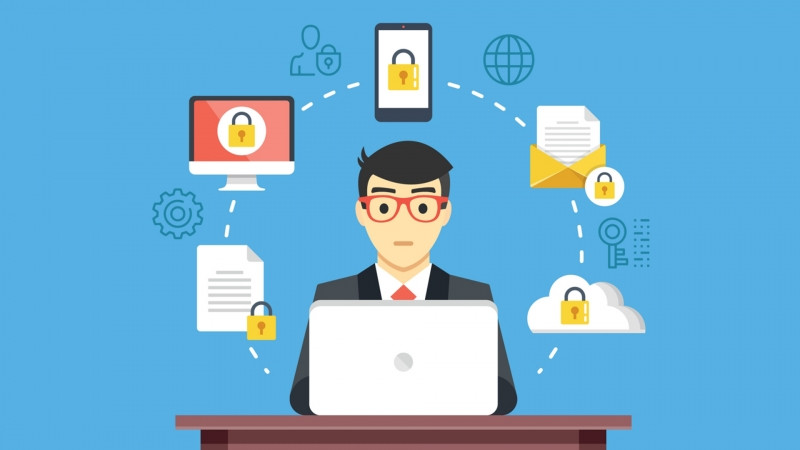
Information security is the protection of your personal and business information. This information may be kept on computers, smartphones, tablets, and even the Cloud. But it’s also important to consider any information you keep on a sticky note on your desk or a piece of paper in a filing cabinet or folder. How can you keep your information safe if it seems to be available in so many places?
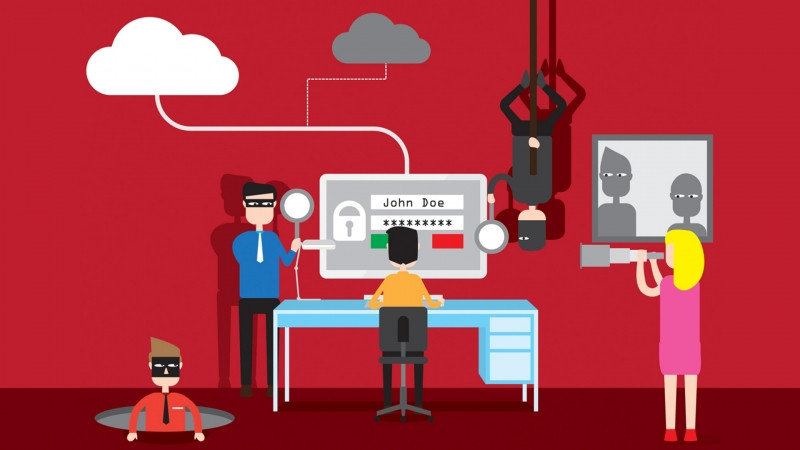
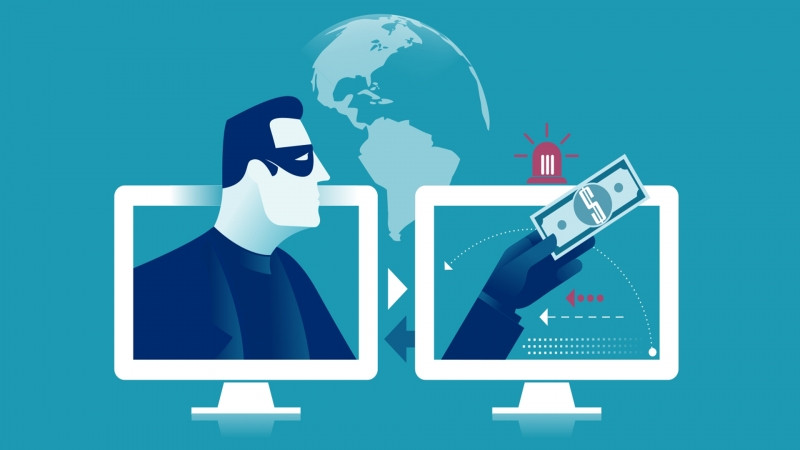
Let’s consider the different ways a hacker can try to obtain your information. In this course, we’ll go over what you need to know when selecting an antivirus program. You will learn how to be resilient with backups and encryption, and you will be aware of the potential threats to your information you can face. You’ll also discover how to minimize these risks and keep your information more secure. Let’s discuss the importance of creating layers of security to protect your data and devices.
It is an information security course for end users, covering how to protect personal and business information kept on computers, smartphones, tablets, the Cloud, and even on paper.
It covers defining information security, security myths, types of attacks, risk assessment, what to do when your service provider is hacked, software protection, backups and encryption, password security, smartphone and tablet security, browser security, internet security, email security, and social media security.
You will be able to debunk common myths about information security, defend yourself or your organization against cyberattacks, and assess how at risk you are for a cyberattack.
It builds skills in computer security awareness training, end-user training and support, information assurance, information security management, information systems security, and information technology security fundamentals.
It explains what to know when selecting an antivirus program, how to be resilient with backups and encryption, the potential threats you can face, and how to minimize these risks by creating layers of security.