Enjoying the preview?
This is the free first lesson. Get full access — request a demo or sign in.
Enjoying the preview?
This is the free first lesson. Get full access — request a demo or sign in.
It is for any individual who uses networked devices, since every individual and every device connected to a cellular system or computer network is at risk of being compromised, and each of us has a responsibility to understand the risks and protect ourselves accordingly.
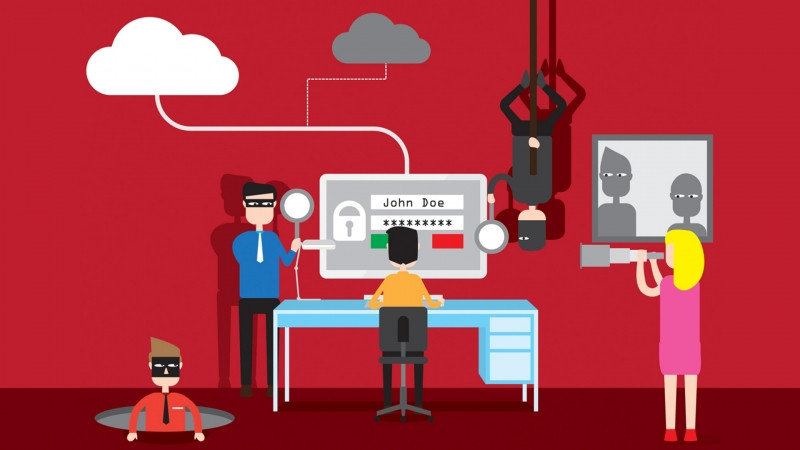
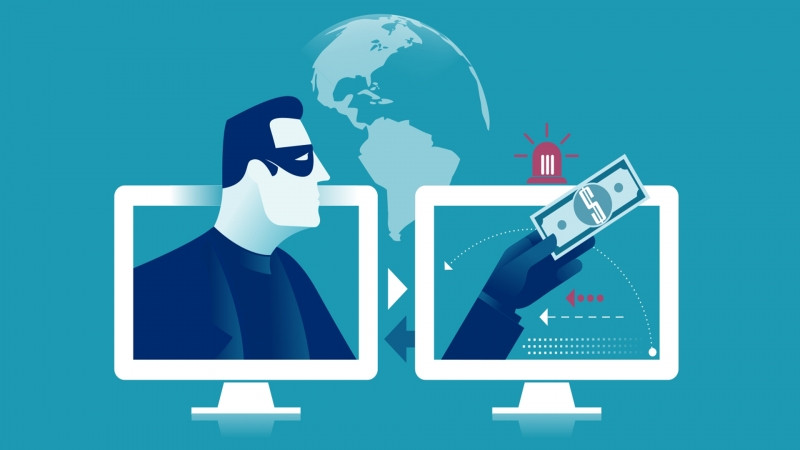
It covers the history of cybersecurity and identifies the types of people who carry out cyberattacks, how they do what they do, and what we can do to thwart them. Topics include networks, devices at risk, encryption, authentication, methods of obtaining information, hacking, types of malware, denial of service attacks, and types of attackers.
The course discusses types of attackers including amateurs, organized crime and activists, and hired guns.
The course covers malware for remote access, data extraction and destruction, and infiltration and spyware, as well as denial of service attacks.
It supports skills in cyber risk, cyber security, cyber security management, cybersecurity compliance, information technology security fundamentals, and network security.