Safety

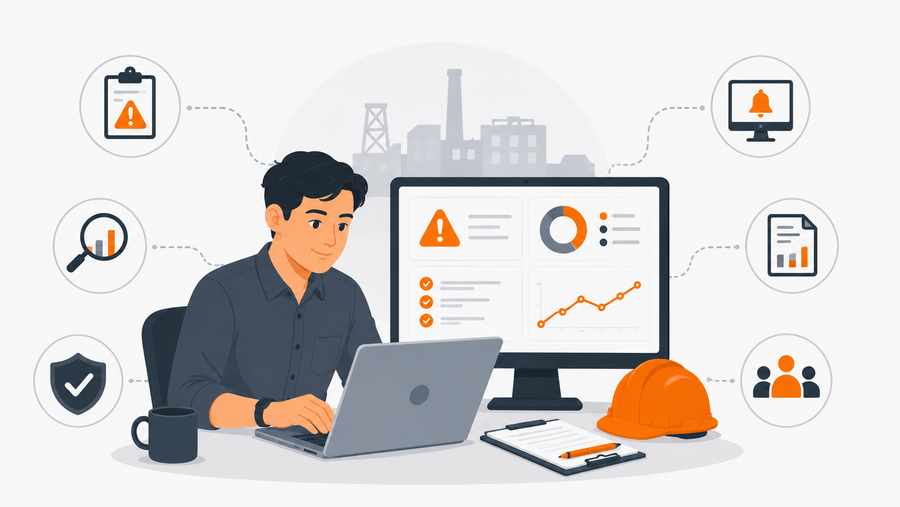
Near Miss Reporting Software Closes the Training Feedback Gap
Key Takeaways Near-miss incidents carry a training signal that most EHS systems fail to route back to the learning layer. Near-miss reporting software captures incident metadata that identifies...
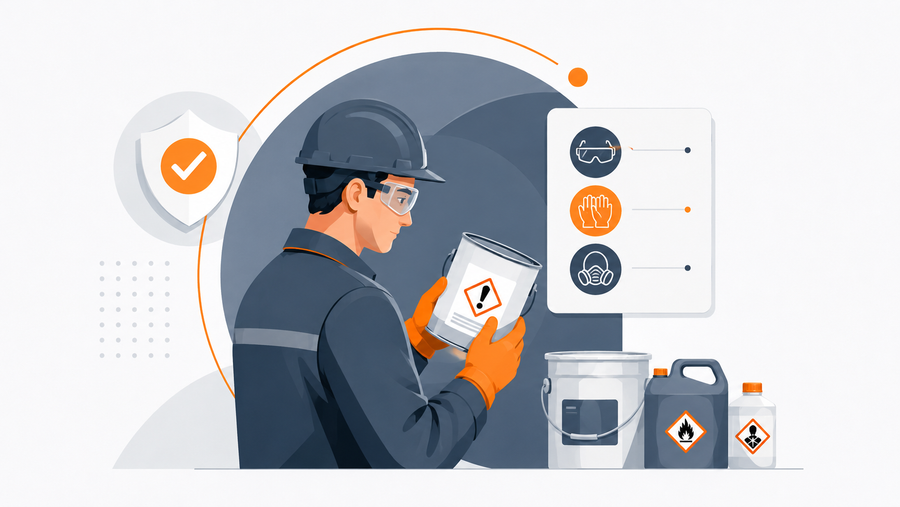
How Manufacturers Train Crews on Safe Handling of Paints, Coatings, and Adhesives Under HazCom
Key Takeaways OSHA 29 CFR 1910.1200 requires HazCom training to address the specific chemicals in each employee's work area, an obligation that generic chemical safety courses designed for...
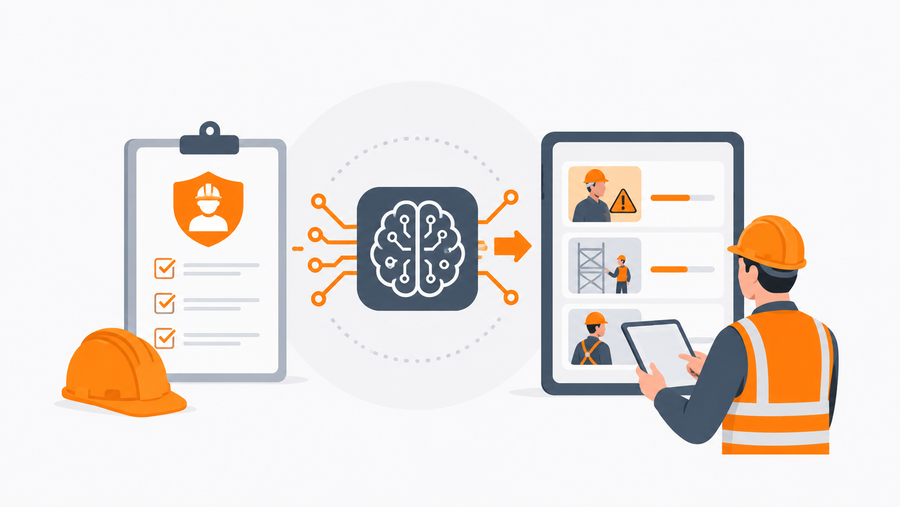
How AI in Training Turns Safety Plans Into Same-Week Crew Modules
Key Takeaways Site-specific safety plans are compliance documents written for regulatory review, not formatted for direct delivery as structured training to construction crews. AI in training tools like...
Why Incident Management Software Must Precede the Recordable
Key Takeaways Assembly line failure patterns develop through near-miss signals and uninvestigated anomalies days or weeks before the recordable event. By the time OSHA documentation begins, the opportunity...
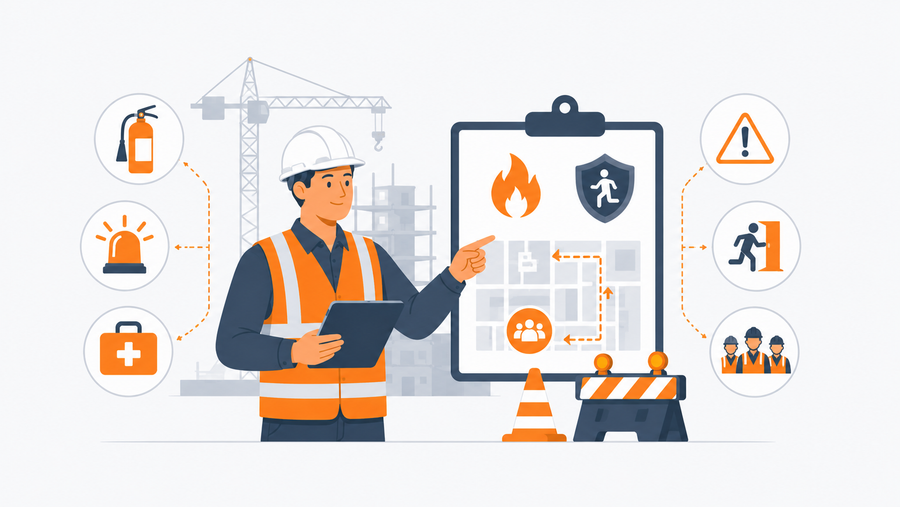
What HSE Managers Need to Cover on Fire Prevention and Emergency Action Plans for Construction Sites 
Key Takeaways OSHA 29 CFR 1926.24 places responsibility for fire prevention on the employer. The obligation applies to all phases of construction, repair, alteration, and demolition work, and...

Subscribe to Our Newsletter

Join 80,000+ Fellow HR Professionals. Get expert recruiting and training tips straight
to your inbox, and become a better HR manager.

Select which topics to subscribe to:
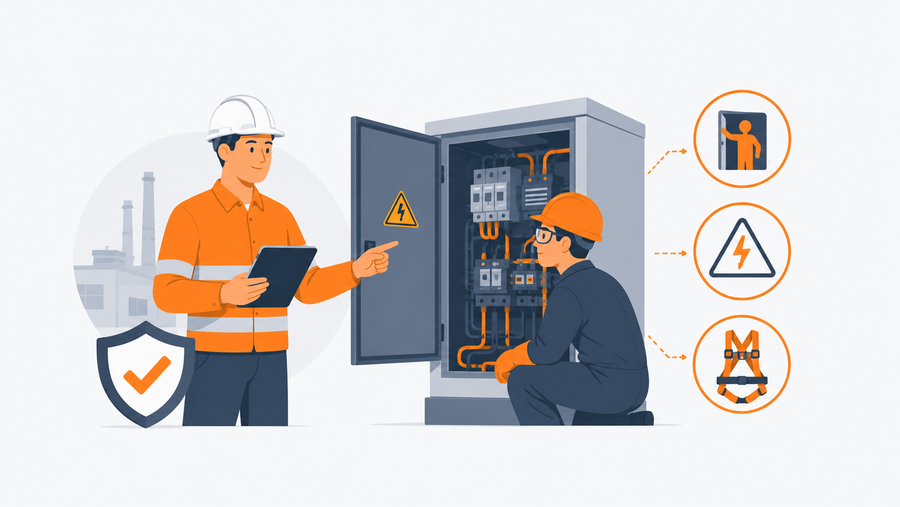
How Manufacturers Train Crews on Confined Space Risks in Electrical Enclosures 
Key Takeaways Not every confined space looks like one. Large electrical enclosures, motor control center cabinets, and switchgear rooms often meet OSHA's definition of a permit-required confined space,...
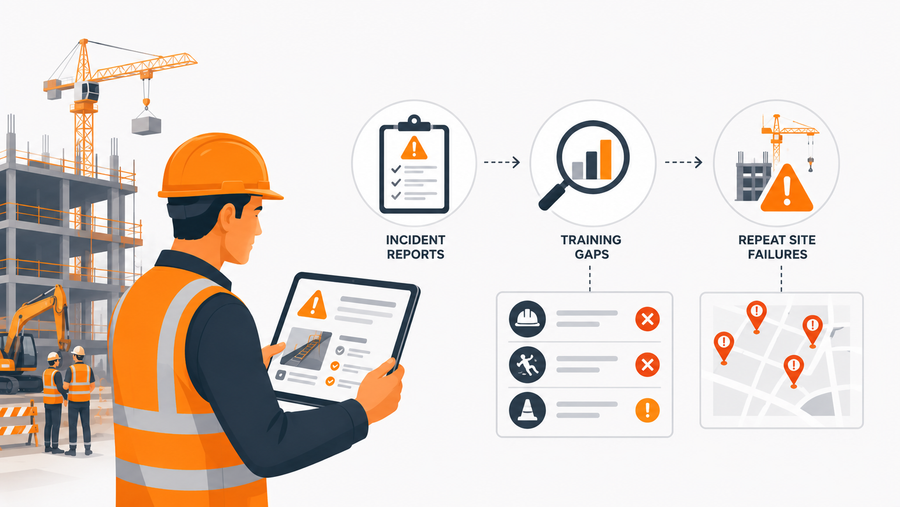
How Construction Incident Reports Surface the Training Gaps That Lead to Repeat Site Failures 
Key Takeaways Isolated incident reports satisfy OSHA recordkeeping but miss the pattern: a single fall or tie-off failure at one site cannot be connected to the same failure...
The Guest Incident Pattern Hospitality Leaders Often Miss Until It Costs Them a Brand Standard Review 
Key Takeaways Brand standard auditors at major hotel chains examine pattern recognition, not just filing discipline: they look for identification of recurring incidents, root cause analysis, and documented...
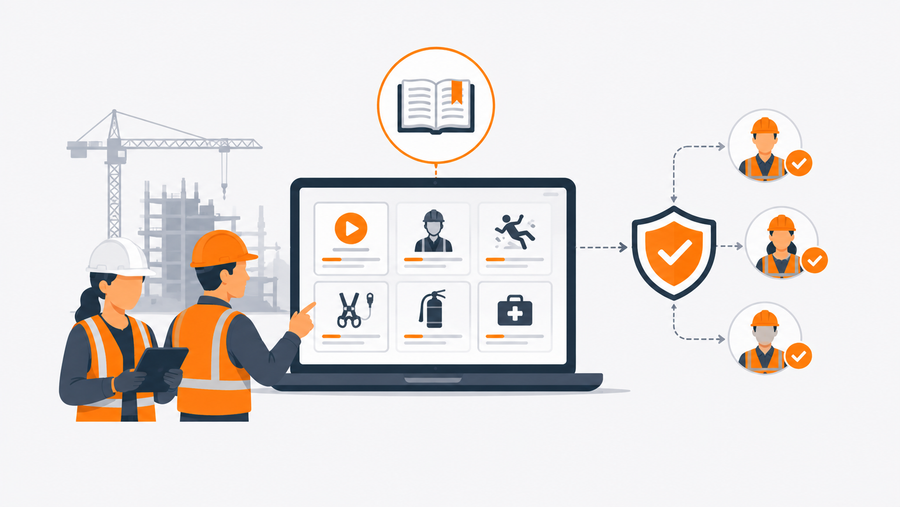
The Onsite Training Adoption Problem Construction Safety Leaders Keep Solving the Wrong Way
Key Takeaways The U.S. Bureau of Labor Statistics recorded 1,032 fatal injuries among construction and extraction workers in 2024, with the construction industry's fatal injury rate at 9.2...
The Reporting Gap Between Fleet Safety, Driver Performance, and Training That Costs Fleets at Audit Time
Key Takeaways Fleet safety, driver performance, and training systems capture accurate records in isolation, and the gap between them surfaces when an audit request spans all 3. The...
Beyond Annual Click-Through: What Federal and State Harassment Prevention Training Should Look Like in 2027
Key Takeaways Most federal and state harassment prevention training has plateaued: completion rates near 100%, complaint volumes and climate-survey signals flat. Strong programs in 2027 will share 6...