Skip to content
KnowledgeCity

Reporting Child Abuse: Mandated Reporters

Learn the responsibilities of Mandated Reporters and compliance
Preview the first lesson free — get full access to all 16 lessons.
Course: On-Demand
Essential Provider KnowledgeCity  16 Lessons ·  55m  in English, Spanish 

Course Description

In the United States, certain professions have been designated by law to report child abuse and maltreatment. This course gives mandated reporters the training and tools they need to identify child maltreatment and understand their responsibilities for reporting abuse to remain in compliance with the law. It's important to understand that, in the United States, all states and territories, including the District of Columbia, American Samoa, Guam, the Northern Mariana Islands, Puerto Rico, and the U.S. Virgin Islands have statutes identifying persons who are required to report suspected child abuse to an appropriate agency, such as Child Protective Services, a law enforcement agency, or, by calling a toll-free child abuse reporting hotline run by the state or territory. Certain human resources professionals and frontline supervisors will also be identified as mandated reporters. This course will help you understand your role and responsibilities.

What You'll Learn

  • Understand your responsibilities as a mandated reporter for child abuse and maltreatment
  • Identify child maltreatment, including neglect, physical abuse, sexual abuse, and emotional abuse, and their red flags
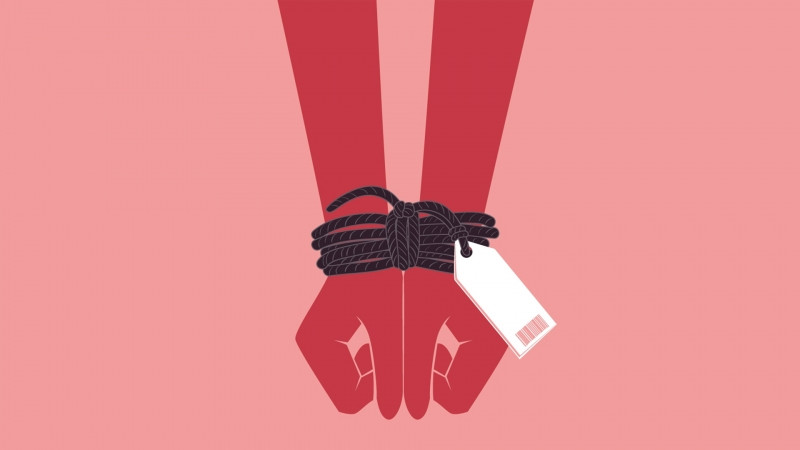
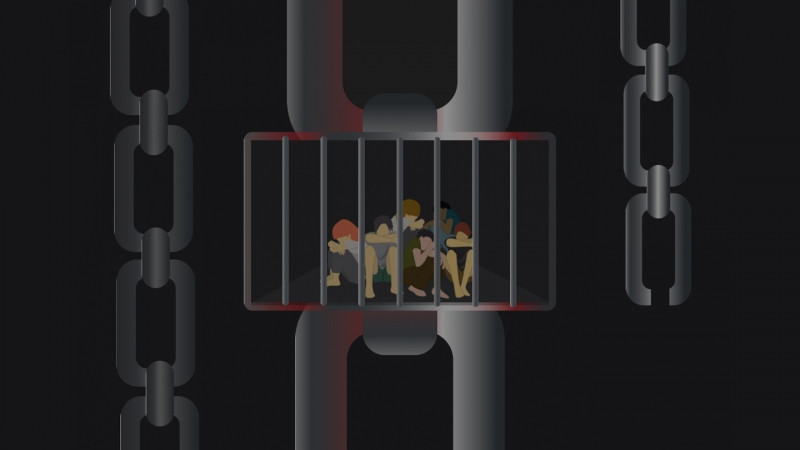
  • Recognize signs of human trafficking
  • Report child abuse to the proper authorities and understand the penalties for failing to do so
  • Understand the role of Child Protective Services and what happens after a report is filed
  • Communicate appropriately with children about suspected abuse and recognize institutions' responsibility to report

Key Takeaways

  • In the United States, certain professions are designated by law as mandated reporters required to report child abuse and maltreatment.
  • All U.S. states and territories, including the District of Columbia, American Samoa, Guam, the Northern Mariana Islands, Puerto Rico, and the U.S. Virgin Islands, have statutes identifying persons required to report suspected child abuse.
  • Suspected child abuse can be reported to an appropriate agency such as Child Protective Services, a law enforcement agency, or a state or territory toll-free child abuse reporting hotline.
  • Certain human resources professionals and frontline supervisors are also identified as mandated reporters.
  • The course covers identifying different forms of maltreatment, making a report, the consequences of failing to report or filing false reports, and the role of Child Protective Services.

Frequently Asked Questions

Who is this course for?

This course is for mandated reporters, including certain professions designated by law to report child abuse, as well as certain human resources professionals and frontline supervisors identified as mandated reporters.

What does this course cover?

It covers identifying child maltreatment, including neglect, physical abuse, sexual abuse, and emotional abuse, recognizing human trafficking, reporting abuse to the proper authorities, the penalties for failing to report, and the role of Child Protective Services.

What will I be able to do after taking this course?

You will be able to understand your responsibilities as a mandated reporter, identify child abuse and human trafficking, report abuse to the proper authorities, and understand the role of Child Protective Services.

How is the course structured?

The course is organized into lessons covering topics such as who mandated reporters are, defining child maltreatment, cultural considerations, identifying various forms of abuse and their red flags, human trafficking, talking to children about suspected abuse, making a report, failure to report and false reports, what happens after a report is filed, and Child Protective Services.