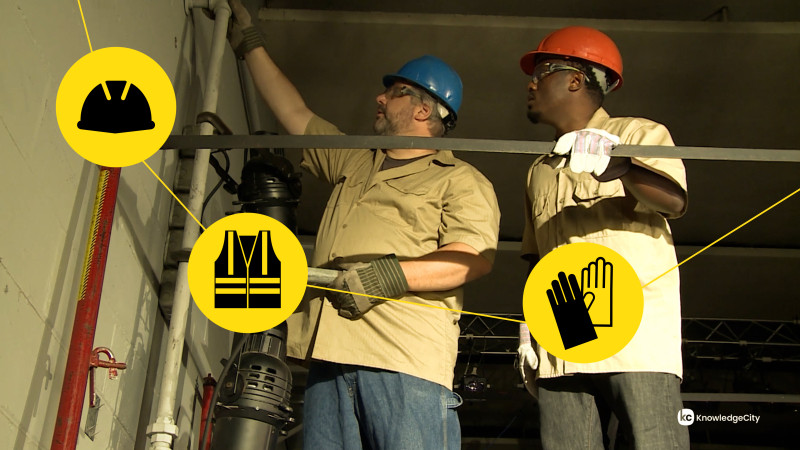
Violence in the workplace can happen anywhere—even in food processing facilities.
Violence in the workplace can happen anywhere—even in food processing facilities. In this Workplace Violence in Food Processing and Handling Environments course, you’ll learn how to recognize early warning signs, handle aggressive behavior, and respond to threats in a calm, safe, and effective way.
You’ll also discover how reporting, teamwork, and prevention programs can create a safer work environment for everyone. Workplace violence doesn’t always start with a fight — it often begins with arguments, mood swings, or verbal abuse. This course shows you how to spot these red flags and take action before things escalate. You’ll explore the different types of violence, from emotional threats to physical attacks, and learn the best ways to handle each situation.
By the end of this course, you’ll learn what to do during high-risk events like active shooter situations, and how your company’s prevention plan can protect employees. With the right tools, knowledge, and teamwork, you can help keep your workplace safe and respectful for everyone.
Learning Objectives:
- Identify early warning signs of potential workplace violence
- Describe different types of violence, including verbal, physical, and emotional threats
- Apply safe and effective responses to aggressive behavior
- Report violent or threatening incidents to the appropriate authorities
- Recognize key elements of a workplace violence prevention program
Skills you’ll gain
Incident ReportingDe-escalation TechniquesPreventive ActionThreat DetectionWorkplace SafetyWhat You'll Learn
- Identify early warning signs of potential workplace violence in food processing and handling environments
- Describe different types of violence, including verbal, physical, and emotional threats
- Apply safe and effective responses to aggressive and violent behavior
- Report violent or threatening incidents to the appropriate authorities
- Recognize the key elements of a workplace violence prevention program
- Respond to high-risk events such as active shooter situations
Key Takeaways
- Workplace violence can happen anywhere, including in food processing and handling facilities.
- Violence often begins with warning signs such as arguments, mood swings, or verbal abuse before it escalates.
- Recognizing red flags early allows you to take action before situations escalate into physical attacks.
- Reporting, teamwork, and prevention programs help create a safer work environment for everyone.
- Knowing what to do during high-risk events and following a company prevention plan helps protect employees.
Frequently Asked Questions
What does this course cover?
This course teaches you how to recognize early warning signs of workplace violence, handle aggressive behavior, and respond to threats in a calm, safe, and effective way. It also covers the different types of violence, reporting incidents, responding to high-risk events like active shooter situations, and the key elements of a workplace violence prevention program.
Who is this course for?
This course is designed for people working in food processing and handling environments who want to help keep their workplace safe and respectful for everyone.
What skills will I gain from this course?
You will build skills in incident reporting, de-escalation techniques, preventive action, threat detection, and workplace safety.
What topics are included in the lessons?
The lessons cover What Is Violence?, Warning Signs, Handling Aggressive Behavior, Dealing with Violent Behavior, Creating a Workplace Violence Prevention Program, and a Review.

Transcript
Show transcript (free preview lesson)
Transcript of the free preview lesson. Remaining lessons unlock with the full course.
Some people believe that a certain amount of conflict on the job is normal. But where do we draw the line? For example, most incidents begin as just a disagreement between co-workers, but too often the argument can escalate into insults, challenges, even threats. Bystanders often ignore these confrontations, dismissing them as personality conflicts. But eventually, push comes to shove and the personality conflict becomes physical. And once they become violent, these incidents can result in serious injuries, even death. So how much conflict is too much? OSHA requires employers to provide a place of employment free from recognized hazards that are likely to cause death or serious physical harm to employees. And any type of workplace violence should be considered one of those hazards. It is stressful, bad for morale, and downright dangerous. We have to take steps to prevent any violence in the workplace.
Learn on the Go
Take your learning anywhere — the KnowledgeCity mobile app lets you watch lessons on the go.