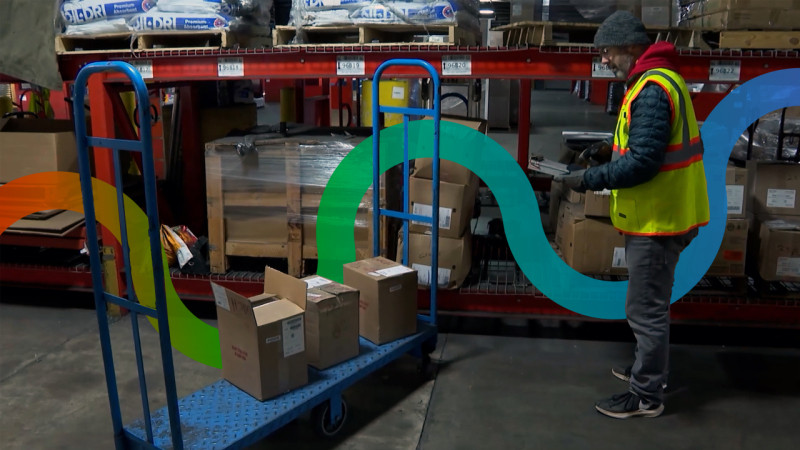
Productivity is important in the workplace, but accidents and injuries can hinder productivity and result in serious harm to workplace staff.
Productivity is important in the workplace, but accidents and injuries can hinder productivity and result in serious harm to workplace staff. It’s important to make sure that every employee leaves your facility in the same condition they arrived in: unharmed and in good health. Let’s discuss ways to keep safe work practices in mind so that you and your coworkers can avoid the potential health and safety risks that can arise in construction environments.
In this course, we’ll explore ways you can mentally prepare for work. We'll also discuss substances or practices that can impair our minds’ functions. We’ll dive into best practices for accident prevention and safety housekeeping, as well as the importance of personal protective equipment (or PPE) and emergency preparation. By the end of this course, you’ll have a stronger understanding of the steps you can take to ensure your own safety as well as the safety of others in the workplace.
Learning Objectives:
- Recognize risks to employee safety and take steps to mitigate them
- Identify different types of personal protective equipment (or PPEs) and understand their importance
- Discover safe work practices you can adopt in the workplace
What You'll Learn
- Recognize risks to employee safety in construction environments and take steps to mitigate them
- Identify different types of personal protective equipment (PPE) and understand their importance
- Adopt safe work practices to avoid health and safety risks in the workplace
- Apply best practices for accident prevention and safety housekeeping
- Prepare mentally for the job and recognize substances or practices that can impair mental function
- Prepare for emergencies in the workplace
Key Takeaways
- Accidents and injuries can hinder productivity and cause serious harm, so keeping safe work practices in mind helps employees avoid health and safety risks in construction environments.
- Mentally preparing for work matters, and certain substances or practices can impair the mind's functions.
- Accident prevention and safety housekeeping are best practices that support a safer workplace.
- Personal protective equipment (PPE) and emergency preparation are important parts of workplace safety.
- The course aims to give learners a stronger understanding of the steps they can take to ensure their own safety and the safety of others in the workplace.
Frequently Asked Questions
What does this construction safety orientation course cover?
The course explores how to mentally prepare for work, substances or practices that can impair the mind's functions, best practices for accident prevention and safety housekeeping, the importance of personal protective equipment (PPE), and emergency preparation.
What will I be able to do after completing this course?
You will be able to recognize risks to employee safety and take steps to mitigate them, identify different types of PPE and understand their importance, and discover safe work practices you can adopt in the workplace.
Who is this course for?
It is for workplace staff in construction environments who want to keep safe work practices in mind so they and their coworkers can avoid potential health and safety risks.
What topics are taught in the lessons?
The lessons cover Safety Orientation, Preparing Mentally for the Job, Safety Housekeeping and Accident Prevention, Personal Protective Equipment, Safe Work Practices, Preparing for Emergencies, and a Review.

Transcript
Show transcript (free preview lesson)
Transcript of the free preview lesson. Remaining lessons unlock with the full course.
When the day begins, There was always lots of work to do. Materials to unload, foundations to pour, and those ever present and deadlines to meet. After all, time is money and someone is always watching the bottom line. But if we rush and aren't careful, we could very well cause that accident damage, valuable property, even suffer a serious injury. Sure, we've got to get the job done. But the real bottom line is doing the job safely. That's where the phrase safety first comes in. It means that working safely is the top priority, our primary goal. So we must all learn to take precautions, protect ourselves from hazards, prevent accidents and prepare for emergencies.
Learn on the Go
Take your learning anywhere — the KnowledgeCity mobile app lets you watch lessons on the go.