KnowledgeCity

Hazard Recognition in Construction Environments

Every job site presents risks—from slippery floors to moving machinery—but with the right tools and awareness, many incidents can be prevented.

Every job site presents risks—from slippery floors to moving machinery—but with the right tools and awareness, many incidents can be prevented. In this Hazard Recognition in Construction Environments course, you’ll learn how to recognize and respond to workplace hazards before they lead to accidents or injuries.

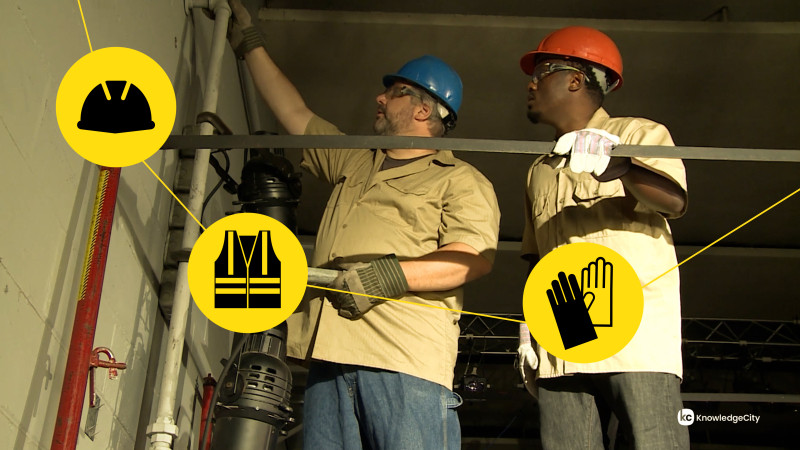
This course explains the difference between hazardous conditions and unsafe acts and introduces four main hazard categories: physical, ergonomic, chemical, and biological. You’ll explore how habits like skipping PPE or ignoring blocked exits can lead to serious outcomes, and how daily inspections, job hazard analyses, and work permits can help reduce those risks.

You’ll also learn what to do when you notice a hazard: how to report it, how to warn others, and how to respond in the moment. The course covers the importance of root cause analysis through accident investigation and highlights how workers can contribute to a safer environment by speaking up and staying alert.

By the end, you’ll be equipped to recognize danger before it causes harm—and take the right steps to stop it.

Learning Objectives:

  • Identify common hazardous conditions and unsafe acts on a job site
  • Categorize workplace hazards as physical, ergonomic, chemical, or biological
  • Apply hazard recognition tools like job hazard analyses and pre-task inspections
  • Respond to hazards in real time using safe work practices and proper reporting
  • Explain the role of root cause analysis in accident investigation

Author: KnowledgeCity

Duration: 19m · 7 lessons
Language: English

Skills you’ll gain

Emergency ProceduresAccident PreventionFacility InspectionHazard IdentificationJob Safety Analysis

What You'll Learn

  • Identify common hazardous conditions and unsafe acts on a job site
  • Categorize workplace hazards as physical, ergonomic, chemical, or biological
  • Apply hazard recognition tools such as job hazard analyses and pre-task inspections
  • Respond to hazards in real time using safe work practices and proper reporting
  • Explain the role of root cause analysis in accident investigation
  • Recognize how to report hazards, warn others, and respond in the moment

Key Takeaways

  • Many job-site incidents can be prevented when workers have the right tools and awareness to recognize hazards before they cause harm.
  • Workplace hazards fall into four main categories: physical, ergonomic, chemical, and biological.
  • Habits like skipping PPE or ignoring blocked exits can lead to serious outcomes.
  • Daily inspections, job hazard analyses, and work permits help reduce job-site risks.
  • Workers can contribute to a safer environment by speaking up and staying alert.

Frequently Asked Questions

What does this course cover?

It covers how to recognize and respond to workplace hazards before they lead to accidents or injuries, including the difference between hazardous conditions and unsafe acts, the four main hazard categories (physical, ergonomic, chemical, and biological), hazard recognition tools like daily inspections, job hazard analyses, and work permits, how to report and respond to hazards, and the role of root cause analysis in accident investigation.

What hazard categories will I learn to identify?

You'll learn to categorize workplace hazards as physical, ergonomic, chemical, or biological.

What hazard recognition tools does the course teach?

The course covers tools such as job hazard analyses, pre-task inspections, daily inspections, and work permits to help reduce risks.

What will I be able to do by the end of the course?

By the end, you'll be equipped to recognize danger before it causes harm and take the right steps to stop it, including reporting hazards, warning others, and responding in the moment.

What topics are included in the lessons?

Lessons include The Need for Hazard Recognition, Hazardous Conditions and Unsafe Acts, Identifying Hazards in Advance, "Real Time" Hazard Recognition, Investigating Accidents and Near Misses, and a Review.


Transcript

Show transcript (free preview lesson)

Transcript of the free preview lesson. Remaining lessons unlock with the full course.

Hazard Recognition in Construction Environments Always look both ways before crossing the street. It's one of the first safety rules we learn. It's an effective one. Because when we look both ways, we can see any vehicles that might hit us if we step into the road. So we wait until any cars, trucks or buses pass, then cross the street safely. Staying safe by looking for hazards before we start an activity is a simple principle. When we use this principle to improve safety on our job site, the process is called Hazard Recognition. In this program, we'll take a closer look at what Hazard Recognition is, how it works, and how you can use it to help keep yourself and your co workers safe on the job.

Learn on the Go

Take your learning anywhere — the KnowledgeCity mobile app lets you watch lessons on the go.