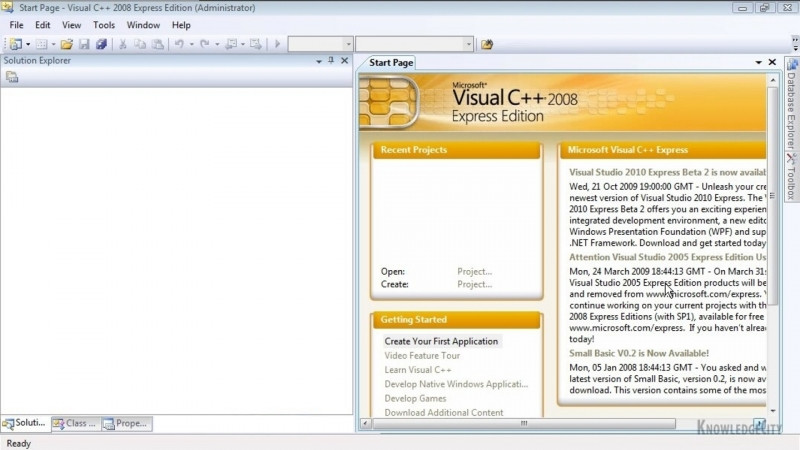
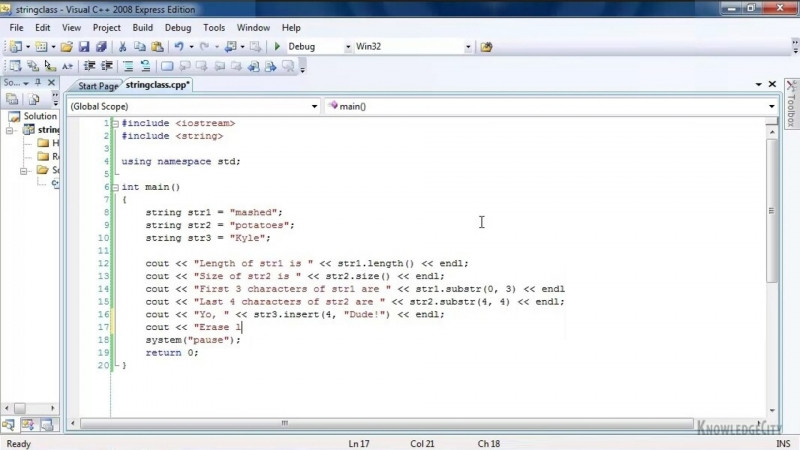
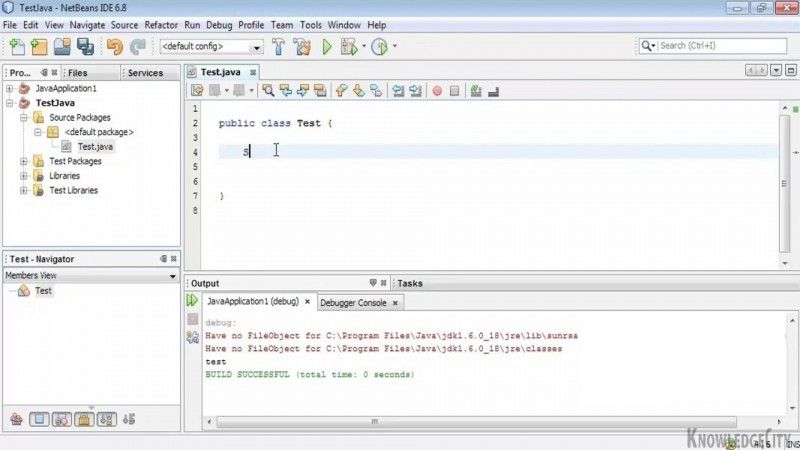
What exactly is computer programming? Well, programming is telling a digital computer exactly what to do. Now, computers really only understand one language that's binary. A bit can be set to either zero or one. And so that's where we get the name binary, meaning two. And so those two values have to be combined into anything that we want to represent. We can use them to represent colors, letters, or in this case, numbers. So that's how we represent a one, but to represent two, we have to do it like this. So there is a joke that there are one zero kinds of people in the world, those who understand binary and those who don't. And this is not 11, it is three. So there are three cheers for binary. And so hopefully you'll understand some of those jokes now. But there are many different kinds of programming languages. There are hundreds, and some of them are very low-level like assembly language. You would use a language like this if you wanted to squeeze the maximum performance out of your hardware. But most programmers work with languages that are easier to read, easier to understand, and certainly easier to learn. And so let me show you an example of some of these. This is C++. You can see it's easier to read. You do have to go through a couple of steps to get your program to work. And you can also optionally compile this C++ code into assembly language. And hopefully you see here why you would not wanna start with this kind of language, just low-level language to begin to learn how to program. Rust is a language that has a lot of the performance advantages that C++ has, but it's more modern. So it's easier to work with. There are some languages like Visual Basic and C# that require special tools like Visual Studio from Microsoft. There are some languages that will run almost anywhere like Java, which runs on top of a Virtual Machine. There are some languages that are designed for web programming like PHP. There are some that are designed to run within the browser and JavaScript is one of those. So here's an example that's running inside of a browser. And there are other languages that are known as scripting languages, like Perl and interpreted languages like Perl and Ruby. Now we are going to use Python in this course. And the good news is that Python is really easy to work with. All you need to do is create a text document on your desktop or somewhere convenient, and we will call this hello_world. And of course, if I leave a .txt extension, most of the time, you will see that map to Notepad. And this is the world's simplest editor, and this is all you need to learn to program. And with Python, you can simply say print("hello world"). Now there's an unwritten rule in programming that you should always use, hello world is your first program. Now we are going to usually rename this, not in with txt, but have a py file extension. And they're gonna ask us to make sure that we wanna change that, but then you can use any editor you want. I'm using Notepad++ here, it has a little more help for programmers, but you can also right mouse click and you can always use Open with and select Notepad.