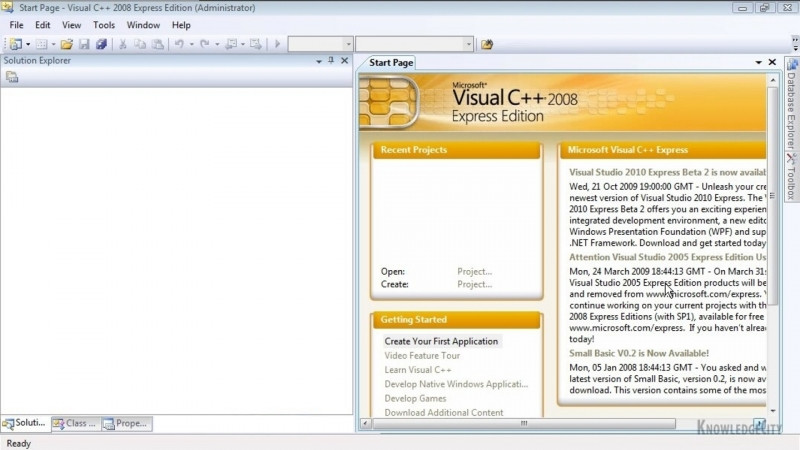
In this lesson, we're going to talk about building basic JavaScript statements. And just like in any other language, a statement is an instruction. So we have all different types of individual statements we could build. The one universal thing we're going to find out is that they should all end with a semicolon. So I could create a statement that creates a variable and gives it a value. I could create another statement that calls a function. And that's just a function all there all by itself, no return value. I could create a statement that writes to the JavaScript console. Or I could even write to the HTML page itself, which is the document object. And we can even put HTML in there again so that the browser makes it look nice for us. So statements can also, if you want to, span multiple physical lines, you can set this up however you like. If I want to put that on another line by itself, no problem. The JavaScript interpreter still sees that as one statement. The thing you want to be careful about is splitting inside of a string across lines, because by default, that's not going to work on its own. Now, if you want or need to do that, what you want to do is close out this string and put that forward slash there, that'll act as a line continuation character. And there we go, then we just make that next line into a string all by itself. And the interpreter will recognize that as one line of code. Now, we also had some statements in here. When I first opened the document, these ones in green with the double forward slashes, those are comments, and those are single line comments. Those all sit on lines by themselves, but you can also have comments after executable code on a line, and those will still be recognized as a comment, if you like. And if you've done SQL or some other languages, you might also recognize this little structure. This is a block comment, so forward slash asterisk is what starts it, asterisk forward slash ends block, and those other asterisks on the intermediate lines are just something nice that Visual Studio does for you. Either way you do comments, the JavaScript interpreter is still going to ignore those. And that's a point we want to make here. JavaScript is interpreted, not compiled. The interpreter in the browser reads your code statements and runs them. Now there's many modern browsers that use what's called just-in-time compilers, where code that it sees multiple times gets compiled so it'll run quicker and not have to be interpreted. But that's behind the scenes. The impact of the interpreter is that you can just run your code. All I have to do in Visual Studio is save this, and I'm going to come over here and choose to view in browser. This should pop us up in Firefox. And if I hit my f12 key to bring our f12 tools up, there we go. We can see on the console that our statements did print out and our document.write showed on the document itself. In fact, I can even come back here and make a change. And all I have to do is save the page and refresh on the browser side. And that change gets reflected automatically. Now one other quick thing we want to look at as far as the basics is we have our individual statement. We will also encounter statement blocks. And a block is delineated by those curly braces you see there. And you're going to encounter a bunch of different types of blocks as you go through your JavaScript career. Now here's an if block. So if that statement is true, then all the statements inside of it are going to run all as one. So I'm creating individual statements inside the statement block. Now these are no different than the individual statements we had before. If I want to run this, all I have to do is save it here. And I should be able to refresh my page. And we see these lines in the console verifies that our code block did indeed run. Thanks for watching. In our next lesson, we'll talk about creating and assigning values to variables.