Enjoying the preview?
This is the free first lesson. Get full access: request a demo or sign in.
Enjoying the preview?
This is the free first lesson. Get full access: request a demo or sign in.
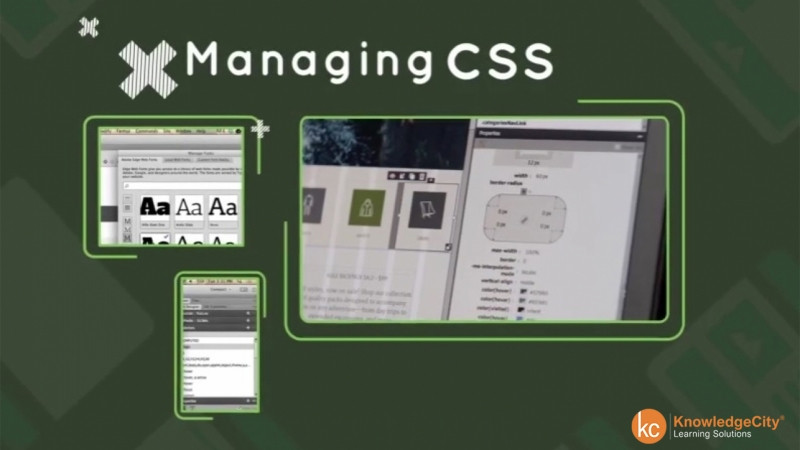
This CSS beginner course is designed to help you master the fundamentals of CSS while creating a basic, yet complete and functional website. CSS (Cascading Style Sheet) is a popular way to format the layout of webpages. CSS is used to define tech styles, table sizes, and any aspect found in webpages. You will learn the basics of CSS, including fonts, lists, alignment and coding, backgrounds, and borders. This course also includes the more intricate aspects of CSS, including em and en spaces, kerning, padding, and text-decoration. At the end of this course, you will be able to create a stylish and impactful website that you can easily modify to your liking.
Programmers use HTML to build the structure of a website, but CSS allows that structure to come alive. Many websites today use CSS to enhance the user experience. CSS is a basic programming language that all programmers, designers, and marketers need to know. CSS can now be used to create interactive user interfaces--including web animations. CSS is mobile-friendly and allows you to present the look and feel of your webpages consistently and effortlessly on all devices. CSS is the perfect starting point for new programmers who wish to learn more advanced programs such as Python, MySQL, and JavaScript.
It is designed as a starting point for new programmers, and the data notes CSS is a basic programming language that all programmers, designers, and marketers need to know.
You will be able to create a stylish and impactful website that you can easily modify to your liking, having mastered the fundamentals of CSS.
It covers the basics of CSS including fonts, lists, alignment and coding, backgrounds, and borders, as well as more intricate aspects such as em and en spaces, kerning, padding, and text-decoration.
CSS is a popular way to format the layout of webpages, used to define styles, table sizes, and any aspect found in webpages, and it can also create interactive user interfaces including web animations.
Yes, the course describes CSS as the perfect starting point for new programmers who wish to learn more advanced programs such as Python, MySQL, and JavaScript.