
There are moments in safety leadership that feel heavier than others. Authorizing entry into an electrical vault or enclosure is one of them.
You know what is inside that space. Limited airflow. Restricted movement. Energized components. The potential for arc flash. The possibility of oxygen deficiency. The reality that if something goes wrong, rescue is harder, and time moves faster.
For safety & compliance managers, this is not theoretical. You are accountable for ensuring that the people who enter those spaces are prepared, alert, and trained to recognize risks before they escalate.
Confined spaces and electrical hazards are each high-risk categories on their own. When they intersect, the consequences increase significantly. The way your teams are trained determines whether those risks are controlled or left exposed.
Understanding Why Electrical Enclosures Qualify As Confined Spaces
Clarity begins with definition. According to the Occupational Safety and Health Administration standard 29 CFR 1910.146, a confined space is one that:
- Is large enough for an employee to enter
- Has limited or restricted means of entry or exit
- Is not designed for continuous occupancy
Many electrical enclosures meet these criteria. Underground utility vaults, transformer compartments, certain switchgear rooms, and cable chambers often restrict entry and exit. Some may also meet the definition of a permit-required confined space if they contain atmospheric hazards or serious safety risks.
Your teams may focus primarily on electrical exposure. Training must expand that perspective. Effective confined space training electrical workers receive must address both the atmospheric and the electrical risks together, not as separate topics. A space can contain energized equipment and still qualify as a confined space requiring atmospheric evaluation, permits, and defined roles.
When workers recognize this dual classification early, safer decisions follow. This is why safety training for electrical enclosures must go beyond basic electrical awareness and incorporate confined space recognition as a core component.
The Compounded Risk Of Electrical And Atmospheric Hazards
Electrical hazards demand respect. Shock, arc flash, arc blast, and thermal burns can cause catastrophic injury within seconds.
Confined space hazards are equally serious. Oxygen deficiency, flammable gases, toxic vapors, and limited escape routes are leading contributors to workplace fatalities.
The National Fire Protection Association’s NFPA 350, a best-practice guide that supplements OSHA regulations, emphasizes comprehensive hazard evaluation before entry. Inside electrical enclosures, that evaluation must account for:
- Energized conductors and arc flash potential
- Heat buildup in enclosed equipment
- Combustible or flammable gases
- Oxygen displacement
- Physical restrictions that limit movement and escape
If an arc flash occurs inside a confined electrical vault, the limited space can intensify the impact. If atmospheric testing is skipped because attention was placed only on electrical isolation, invisible hazards may go undetected.
Training must teach your teams to evaluate all risks at once, not in isolation.
November 2024 OSHA Arc Flash Guidance
OSHA issued updated arc flash guidance in November 2024 to clarify how existing electrical safety standards apply to arc flash hazards. This guidance directly addresses persistent misconceptions that have contributed to arc flash injuries and fatalities, with critical implications for confined electrical spaces.
Two Leading Causes of Arc Flash Injuries Addressed:
- De-energized Does NOT Mean Safe: Many workers assume that once equipment is turned off, it is safe to work on. However, according to OSHA 29 CFR 1910.333(b): “Conductors and parts of electric equipment that have been deenergized but have not been locked out or tagged in accordance with paragraph (b) of this section shall be treated as energized parts, and paragraph (c) of this section applies to work on or near them.”
Critical distinction: De-energizing equipment is only the first step. Without proper lockout/tagout (LOTO) procedures and verification of an Electrically Safe Work Condition (ESWC), electrical shock and arc flash hazards remain.
- Low Voltage Is NOT Low Risk: OSHA’s 2024 guidance directly confronts the dangerous myth that low-voltage systems (120/208V, 277V) are inherently safe. The guidance makes clear:
- Low-voltage systems CAN sustain arc flash events
- These events can produce molten metal and temperatures exceeding 35,000°F
- They can ignite flammable clothing and cause severe or fatal injuries
- Energized work above 50 volts requires shock protection, and arc flash PPE must be determined based on a proper arc flash risk assessment.
Why This Matters for Confined Electrical Spaces
Inside confined electrical enclosures, these risks are magnified:
- The enclosed space can intensify arc flash effects
- Limited egress routes reduce escape options during an incident
- Heat buildup is more severe in confined areas
- Molten metal and debris have nowhere to dissipate
When your teams work in confined electrical spaces without a proper understanding of these dual hazards, they face compounded risk.
What OSHA Requires for Confined Electrical Spaces
As of 2025, OSHA’s confined space regulation 29 CFR 1910.146 remains fully enforceable. It requires employers to:
- Evaluate workplaces to identify confined spaces
- Determine which are permit required
- Develop a written confined space program
- Train employees before assignment
- Retrain employees when procedures change or performance gaps appear
- Ensure rescue services are available and capable
Electrical safe work practices are also enforced under OSHA standards covering electrical installations and power generation environments.
In its November 2024 guidance, OSHA clarified how existing electrical safety standards are enforced, particularly regarding:
- Proper arc-rated PPE for all energized work above 50V, regardless of voltage level
- Understanding that de-energized work requires full LOTO/ESWC procedures
- Awareness that low-voltage systems pose serious arc flash hazards
- Prevention of flammable undergarments beneath arc-rated clothing
For your teams, this translates into practical expectations:
- Identify confined spaces before entry
- Perform hazard assessments
- Conduct atmospheric testing before and during occupancy
- Apply lockout and tagout procedures
- Verify deenergization where required
- Use appropriate personal protective equipment
- Understand entry permit procedures
- Know their assigned role and responsibilities
Compliance is measurable. Competence is visible in behavior.
When safety training for electrical enclosures is structured around these regulatory expectations, your teams are better positioned to meet both the letter and the intent of the standard.
The Human Weight of These Decisions
When an incident occurs in a confined electrical space, it is not a simple regulatory violation. It becomes a life-altering event.
- A technician who assumed the air was safe.
- An attendant who hesitated.
- A supervisor who believed training from years ago was sufficient.
- An electrician who believed 120V didn’t require arc-rated PPE
You understand that behind every permit form is a person. That awareness shapes how you approach training.
Your teams do not need fear-based messaging. They need a realistic understanding. When they clearly see how confined space geometry increases arc flash severity or how oxygen levels can change without warning, training becomes meaningful.
When training connects to real tasks they perform, it becomes memorable. This is especially true for confined space training for maintenance teams, who are often the first to enter electrical enclosures and the most exposed to compounded hazards.
Core Training Areas Your Teams Must Master
Effective confined space electrical training develops strength in several connected areas. Confined space training electrical workers receive should build competence across hazard recognition, atmospheric monitoring, electrical isolation, role clarity, and emergency response.
Hazard Identification and Pre-Entry Risk Assessment
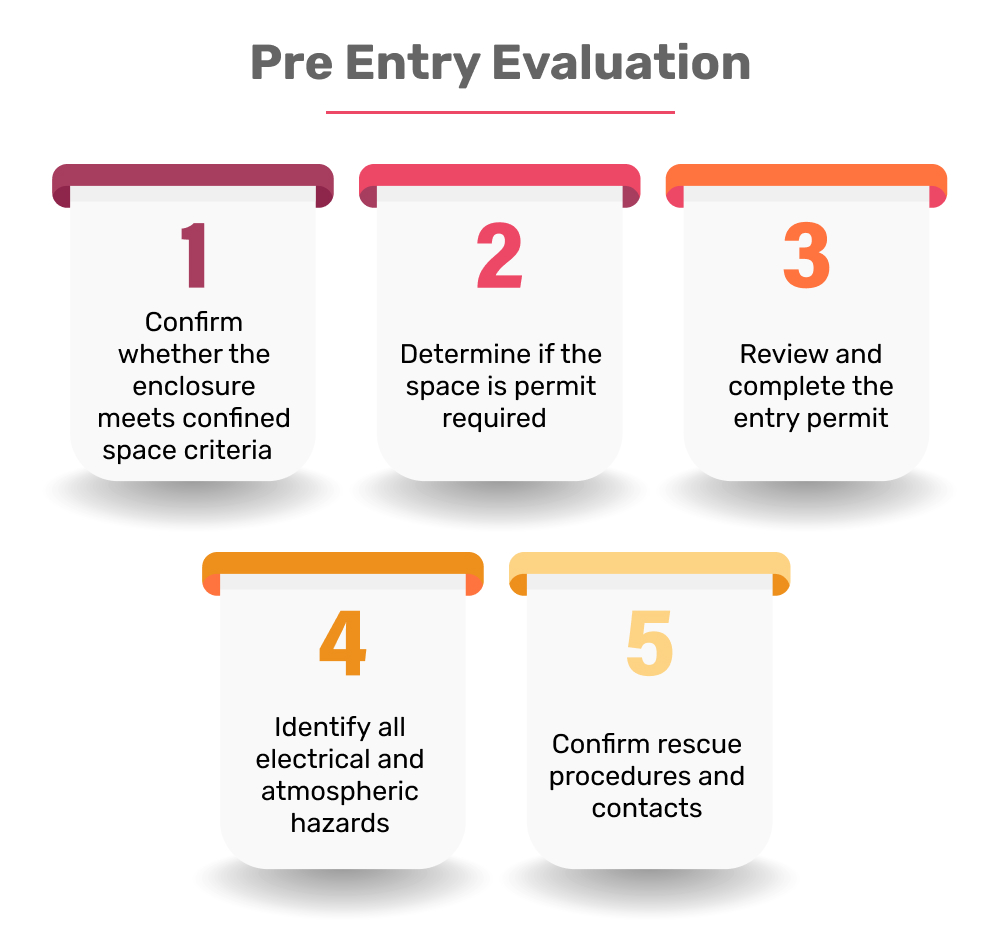
Your teams must instinctively evaluate:
- Does this space meet confined space criteria
- Is it permit required
- Could hazardous atmospheres exist
- What electrical hazards are present
- How would emergency evacuation occur
Training should reinforce a consistent mental checklist before any entry begins.
Atmospheric Testing And Continuous Monitoring
OSHA requires atmospheric testing before entry into permit-required spaces. NFPA guidance provides detailed recommendations on testing sequence and monitoring practices.
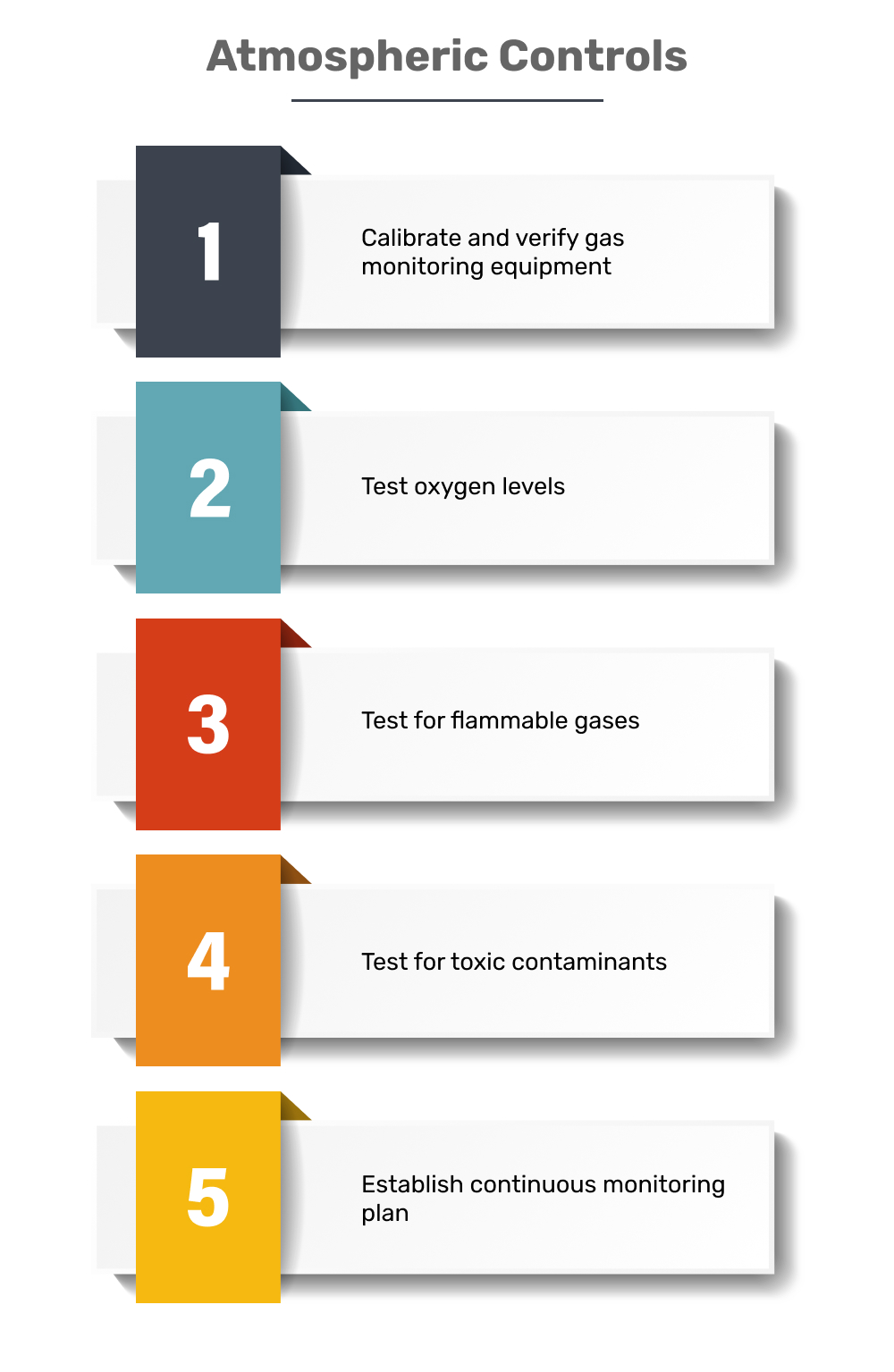
Your teams must understand how to:
- Test oxygen concentration
- Identify flammable gases
- Detect toxic contaminants
- Interpret readings correctly
- Continue monitoring while work is underway
In underground or enclosed electrical vaults, atmospheric conditions can change quickly. Confidence in monitoring equipment is essential.
Lockout Tagout And Electrical Hazard Control
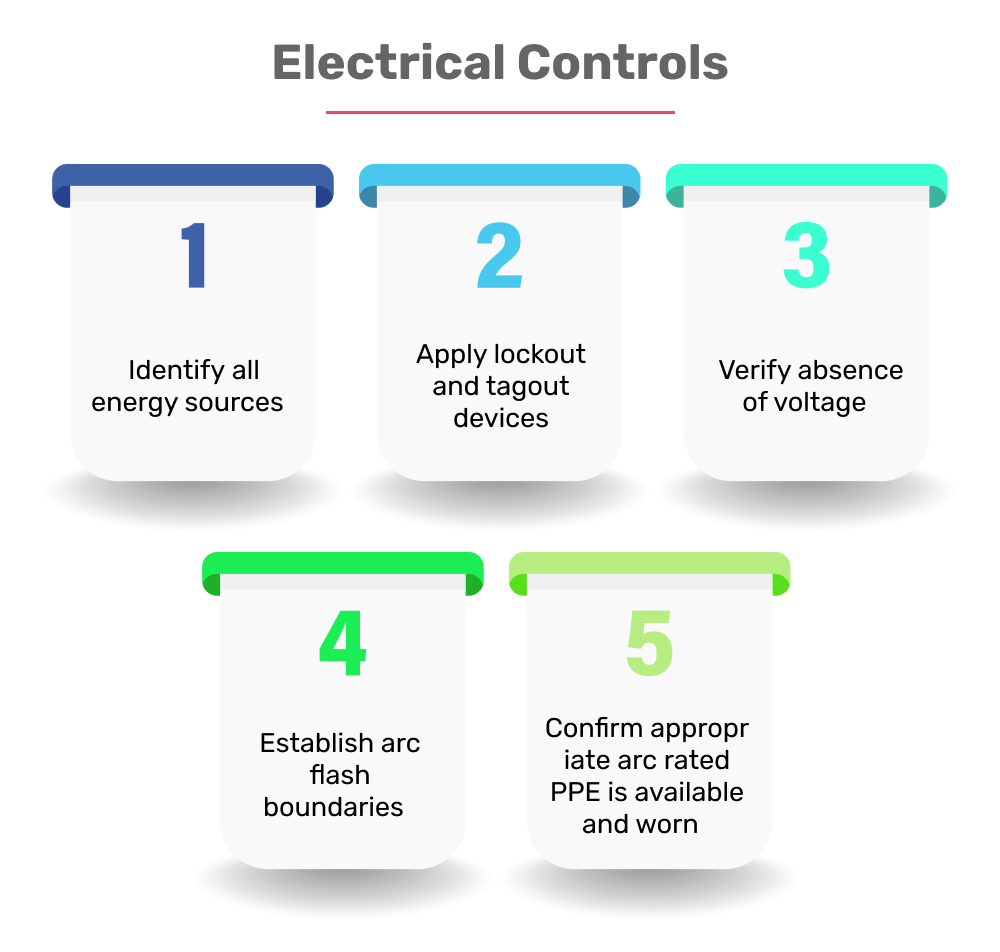
Electrical isolation is critical. Before entry, all energy sources must be identified and controlled where possible.
Training must reinforce:
- Identification of primary and secondary energy sources
- Proper application of lockout devices
- Verification of the absence of voltage
- Understanding arc flash boundaries when full deenergization is not feasible
- Proper use of arc-rated protective equipment
Electrical and confined space hazards must be treated as interconnected risks.
Confined space training for maintenance teams must make this connection explicit, ensuring workers approach every enclosure with both electrical and atmospheric awareness built into their routine.
Role Clarity During Permit-Required Entry
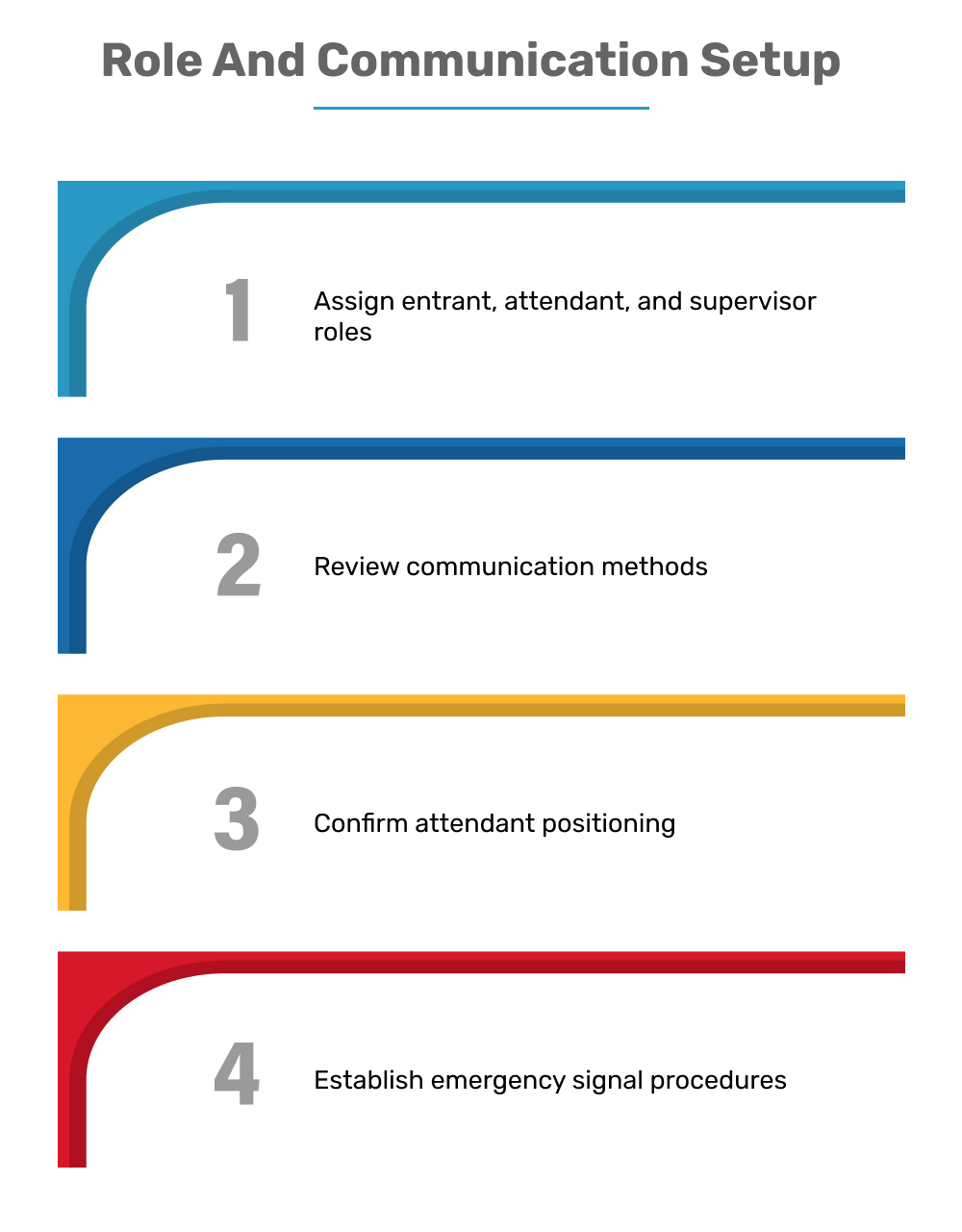
OSHA defines responsibilities for:
- Authorized entrants
- Attendants
- Entry supervisors
Your teams must understand these roles clearly. Confusion during an emergency wastes time. Clear expectations reduce hesitation and improve coordination.
Emergency Response Awareness
Many confined space fatalities involve unplanned rescue attempts. This is precisely why confined space rescue team training must be a defined component of your overall safety program, not an afterthought. Workers need to understand who is responsible for rescue, how that team is activated, and why unauthorized rescue attempts increase risk rather than reduce it. Training must reinforce that rescue is preplanned, coordinated, and performed by trained personnel. When your teams trust the process, panic decreases.
Confined Space Electrical Safety Training Checklist
To support consistent execution, your teams should use a structured checklist before and during confined space entry into electrical enclosures.
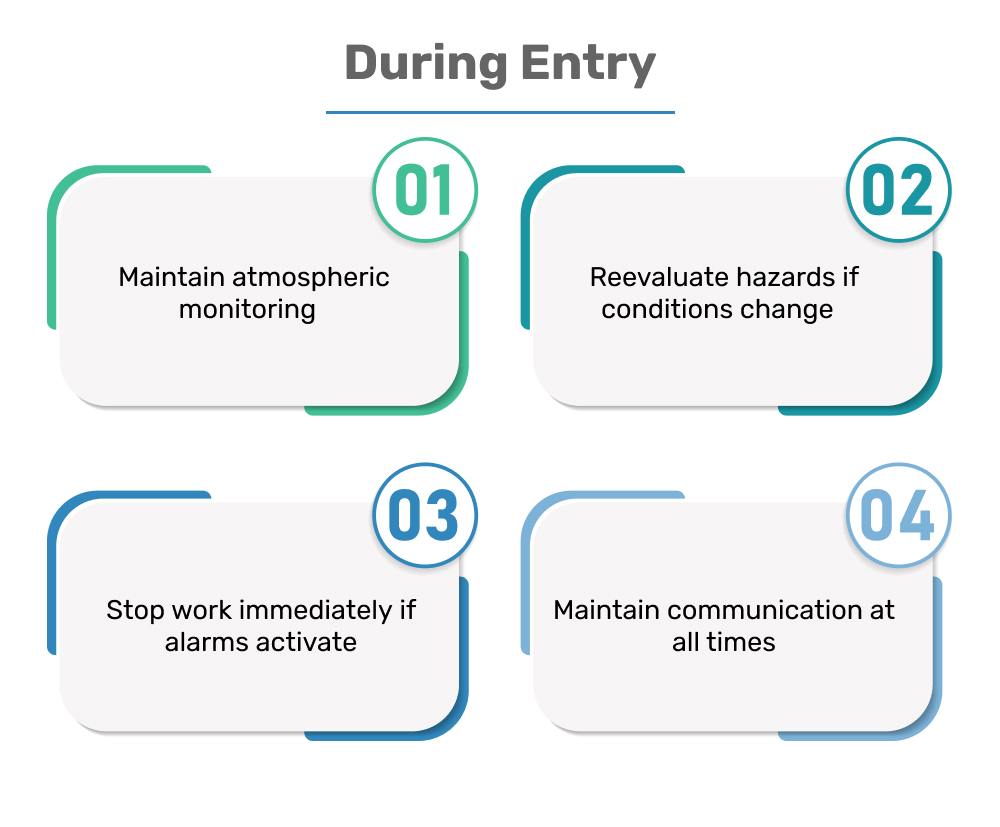
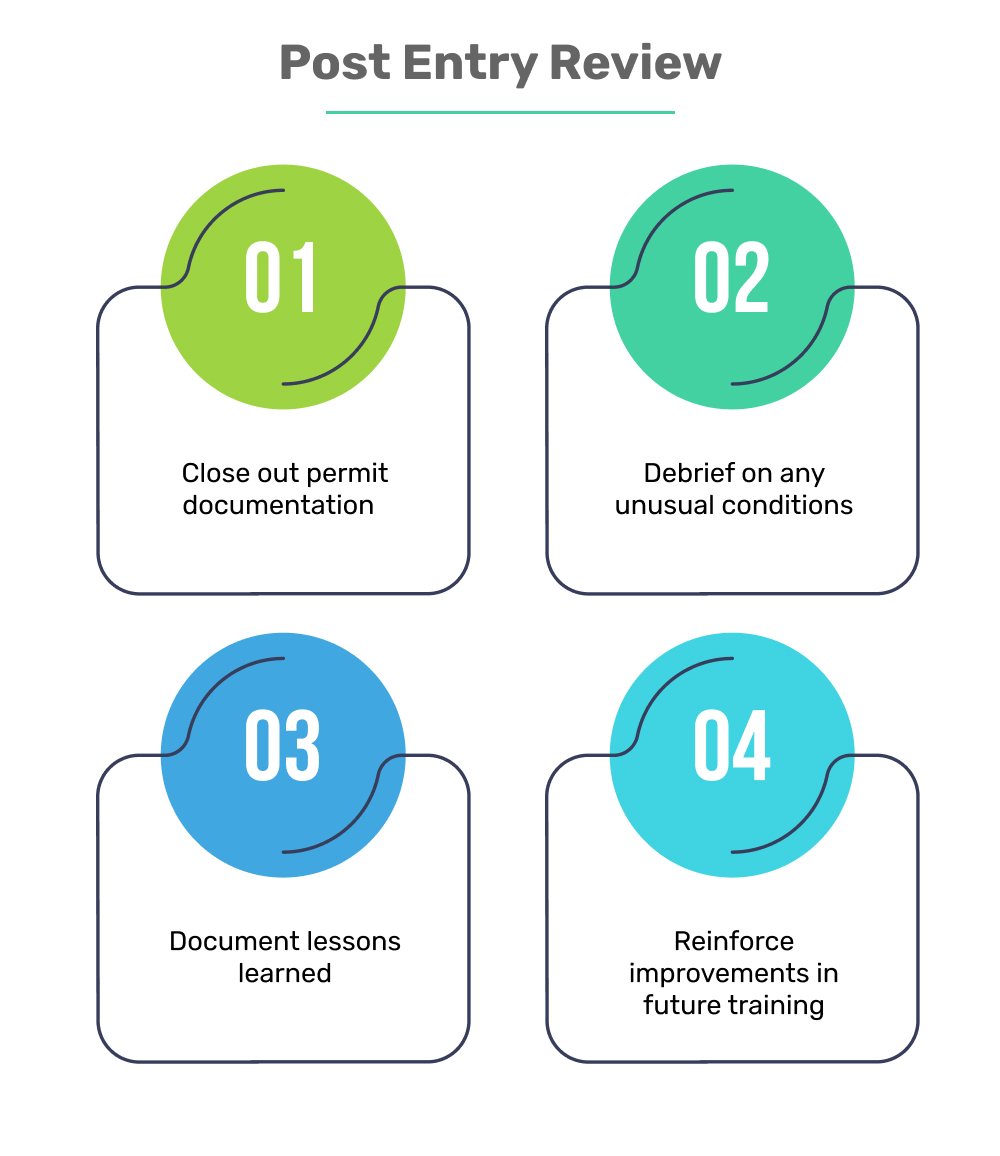
When this checklist becomes routine, risk exposure decreases significantly.
Why Continuous Learning Matters More Than One-Time Training
One-time training sessions create awareness. Ongoing learning builds habits.
Confined space electrical hazards evolve with equipment upgrades, facility changes, and workforce turnover. Refresher training ensures knowledge stays current. This includes revisiting confined space rescue team training on a regular schedule, so that emergency response roles and procedures remain sharp and second nature for everyone involved.
Consistent learning allows your teams to:
- Reinforce hazard recognition
- Review updated standards
- Practice scenario-based thinking
- Address observed performance gaps
- Strengthen confidence before high-risk tasks
Training that is structured, accessible, and trackable makes your oversight easier and your compliance documentation stronger.
Deliver Smarter Training for Confined Electrical Safety With KnowledgeCity
You already manage regulatory oversight, audits, documentation, and coordination across departments. Training should not add unnecessary complexity.
Your teams need clear, updated, role-specific instruction that aligns with current OSHA confined space and electrical safety requirements. They need access to learning that reinforces both atmospheric and electrical hazard control in realistic, job-relevant contexts. And they need confined space rescue team training that is embedded into their overall preparation, not treated as a separate or optional topic.
KnowledgeCity, the best employee training platform in the USA, provides a structured learning environment designed to support safety and compliance leaders who require consistency, documentation, and accountability. Rather than relying on one-time sessions or fragmented materials, your teams gain access to centralized training that can be assigned, tracked, and reinforced over time.
KnowledgeCity helps ensure:
- Consistent delivery of updated safety content
- Accessible refresher training for high-risk roles
- Clear tracking and reporting for audit readiness
- Reinforcement of critical safety behaviors
- Alignment with regulatory expectations
When training is centralized, documented, and easy to deploy, you gain visibility across departments. Your teams gain clarity in execution. And high-risk confined electrical work is supported by reinforced, current knowledge rather than outdated memory.
Turning Responsibility Into Confidence
Every time your teams enter an electrical enclosure classified as a confined space, the stakes are high.
They should not rely on outdated memory. They should rely on reinforced knowledge.
- When gas monitors sound the alarm, they should respond without hesitation.
When energy isolation is incomplete, they should recognize it immediately.
When conditions shift, they should stop working confidently.
That level of competence reflects consistent investment in training. Confined space risks in electrical enclosures will always exist. What changes is how prepared your teams are to manage them. When you provide structured, updated learning supported by a reliable training platform, you strengthen compliance, reduce risk, and protect the people who rely on your leadership every day. And at the end of every confined space entry, the outcome that matters most remains the same.
Everyone goes home safely.

 KnowledgeCity










Subscribe to Our Newsletter
Join 80,000+ Fellow HR Professionals. Get expert recruiting and training tips straight
to your inbox, and become a better HR manager.