Enjoying the preview?
This is the free first lesson. Get full access: request a demo or sign in.
Enjoying the preview?
This is the free first lesson. Get full access: request a demo or sign in.
There’s no shortage of chemicals to be found in the modern workplace; but as useful as they are, they can also be dangerous or even deadly if handled or used improperly. Learn about the different classes of hazardous chemicals and specific dangers they pose, as well as best practices for their safe handling.
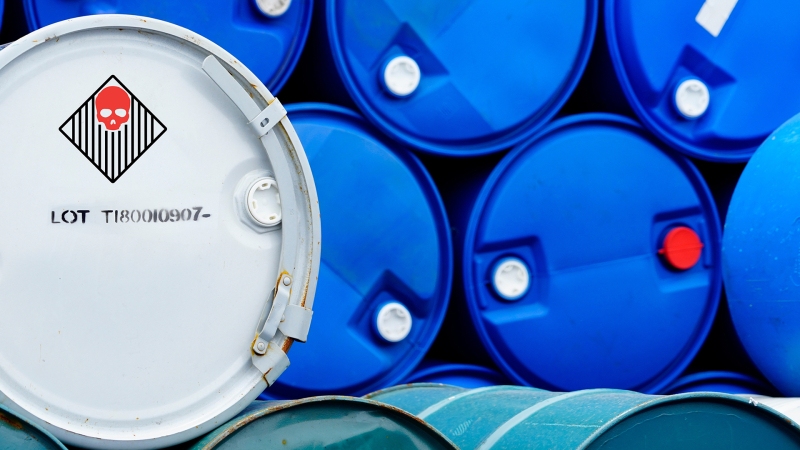
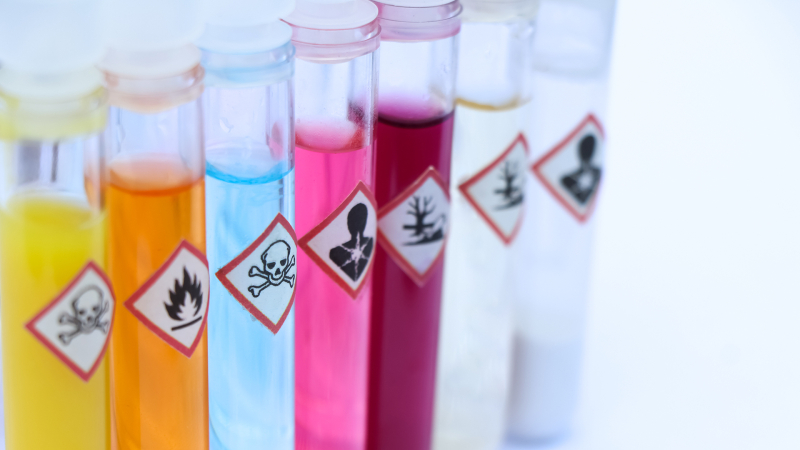
In these lessons, we’ll explain how chemical hazards are communicated through symbols, colors, and other warning labels. We will describe the different classes of hazardous chemicals and the specific safety risks each poses. Then we’ll spend some time going over the fire danger posed by flammables and combustibles, and how to tell between them. You’ll learn how substances like asbestos and radiation increase the risk for cancer, and the roles dose and duration play in determining exposure severity. Finally, we’ll cover protective equipment selection and proper chemical storage and spill containment procedures. By the end of this course, you’ll have the knowledge to protect yourself from any on-the-job chemical hazard.
It covers how chemical hazards are communicated through symbols, colors, and warning labels; the classes of hazardous chemicals and their specific risks; the fire danger of flammables and combustibles; how substances like asbestos and radiation increase cancer risk; the role of dose and duration in exposure severity; selecting the right PPE; and proper chemical storage and spill containment.
The course develops skills in chemical hazards, chemical safety, hazard identification, hazardous material handling, hazardous goods, and responding to chemical accidents.
The course is organized into lessons including an Introduction, Hazardous Communication Standards, Classes of Hazardous Chemicals, Flammables and Combustibles, Carcinogens and Suspected Carcinogens, Dose and Duration Limits of Chemical Exposure, Selecting the Right PPE for the Substance Being Used, Proper Chemical Storage and Spill Containment, and a Conclusion.
By the end of the course, you'll have the knowledge to protect yourself from on-the-job chemical hazards, including understanding industry-standard warnings, knowing the classes of hazardous chemicals and their risks, and knowing how to properly store chemicals.