Enjoying the preview?
This is the free first lesson. Get full access: request a demo or sign in.
Enjoying the preview?
This is the free first lesson. Get full access: request a demo or sign in.
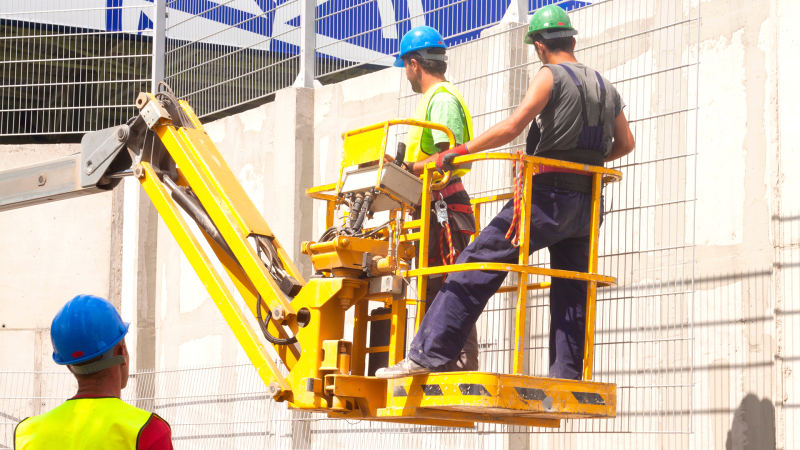
Aerial lifts are essential pieces of equipment that provide access to higher areas like ceilings, rooftops, power lines, or cell phone towers that otherwise may be difficult or impossible to reach. Hoists are used when materials are too heavy or bulky to be moved by hand. By using a variety of slings, shackles, and chokers, hoists can easily move heavy materials.
In this course, we’ll cover the rules and regulations regarding the use of mobile elevated work platforms, hoists, and rigging. We’ll also go over the processes of safely using aerial lifts and rigging equipment, as well as how to avoid potential hazards. Finally, we will detail the maintenance and inspections required to keep your equipment up to code.
It covers the rules and regulations for using mobile elevated work platforms, hoists, and rigging; the processes for safely using aerial lifts and rigging equipment; how to avoid potential hazards; and the maintenance and inspections required to keep equipment up to code.
Aerial lifts provide access to higher areas like ceilings, rooftops, power lines, or cell phone towers, while hoists are used to move materials that are too heavy or bulky to be moved by hand, using slings, shackles, and chokers. The course teaches how to properly use each in the workplace.
The course covers ANSI standards and updates and OSHA regulations and standard interpretations regarding workplace compliance for aerial lifts, hoists, and rigging.
It covers potential hazards including falls, electrocution risks, tip over and collapse risks, and environmental risks, along with how to mitigate them.
You will build skills in aerial lifts, aerial work platforms, crane rigging, hoisting, overhead hoists, and aerial lift certification.