Enjoying the preview?
This is the free first lesson. Get full access — request a demo or sign in.
Enjoying the preview?
This is the free first lesson. Get full access — request a demo or sign in.
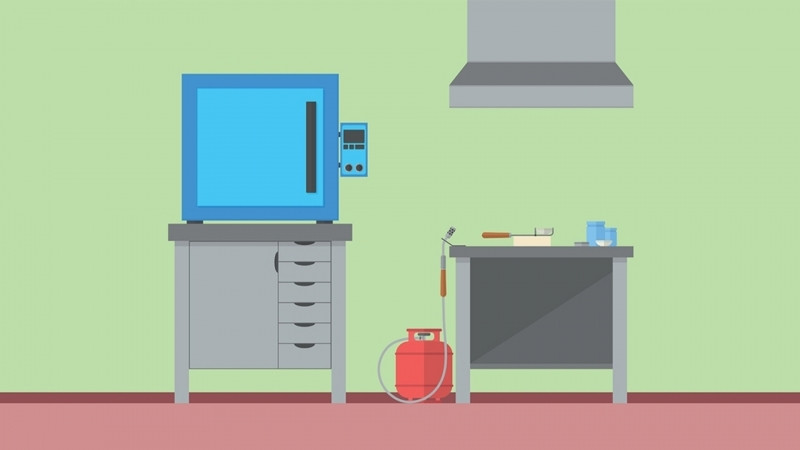
It is for employees who work in laboratories where compressed gas cylinders are frequently used and who need to be familiar with the precautions for handling them safely.
It examines how gas cylinders work, the hazards associated with them, and the need for caution when using or storing a cylinder, including compression and its effects, cylinder storage, handling and installation, regulators and relief devices, and dealing with leak emergencies.
It addresses hazards such as asphyxiation, fire, and explosion that can result from a leaking cylinder or fitting, as well as the energy a compressed cylinder can release if mishandled.
The course is organized into lessons covering Introduction, Compression and its Effects, Cylinder Storage, Handling and Installation, Regulators and Relief Devices, Dealing with Leak Emergencies, and a Review.