Enjoying the preview?
This is the free first lesson. Get full access — request a demo or sign in.
Enjoying the preview?
This is the free first lesson. Get full access — request a demo or sign in.
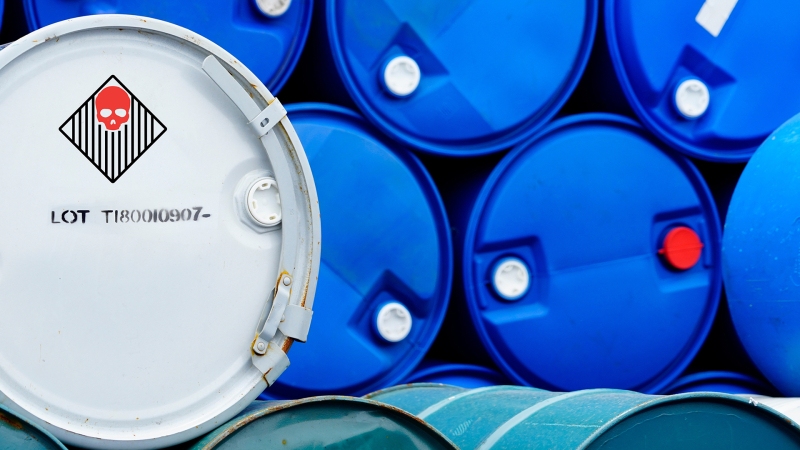
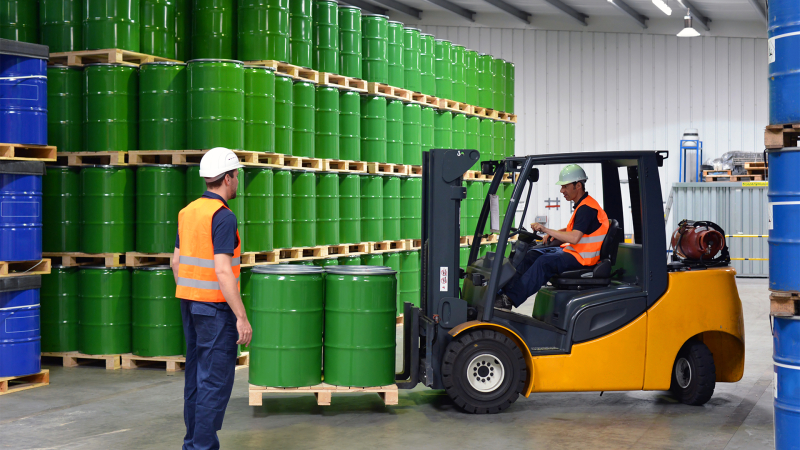
GHS labels ensure safety and compliance in chemical handling. In this GHS Container Labels in Transportation and Warehouse Environments course, you’ll learn why hazard communication matters and how to read GHS container labels to understand chemical risks quickly. You’ll also learn how pictograms and label text help you choose safer actions during handling, storage, and transport.
You’ll start with OSHA’s Hazard Communication Standard and how it supports the right to know and the right to understand. Then you’ll learn how GHS creates consistency by using a standard label format that helps workers find key safety details even under pressure. You’ll review the nine GHS pictograms and what they say about health, physical, and environmental hazards. Next, you’ll identify the main text elements on a label, including the product identifier, signal word, hazard statement, precautionary statement, and supplier information. You’ll also cover special labeling situations for secondary in-house containers, small containers, and bulk shipments, plus how DOT markings may appear during transport
It covers why hazard communication matters, OSHA's Hazard Communication Standard, how GHS standardizes label format, the nine GHS pictograms, the main text elements of a GHS label, and special labeling situations for secondary containers, small containers, bulk shipments, and DOT markings during transport.
You'll be able to read GHS container labels to understand chemical risks quickly, interpret pictograms and label text to choose safer actions during handling, storage, and transport, and apply labeling guidance for secondary, small, and bulk containers.
The course covers the product identifier, signal word, hazard statement, precautionary statement, and supplier information.
The course is organized into lessons covering an introduction, the goals of hazard communication, the benefits of the GHS system, GHS pictograms, the text elements of GHS labels, and a review.
Yes. It covers GHS container labels in transportation and warehouse environments, including bulk shipments and how DOT markings may appear during transport.