Enjoying the preview?
This is the free first lesson. Get full access: request a demo or sign in.
Enjoying the preview?
This is the free first lesson. Get full access: request a demo or sign in.
Fires can grow quickly in warehouses and vehicles, so knowing what to do in the first moments matters. In this Using Fire Extinguishers in Transportation and Warehouse Environments course, you’ll learn how fires start, how fire classes guide extinguisher choice, and how to use an extinguisher safely and effectively. You’ll also learn basic inspection and storage practices so extinguishers are ready when needed.
Fires can grow quickly in warehouses and vehicles, so knowing what to do in the first moments matters. You’ll start with the basics of how fire burns using the fire triangle—fuel, oxygen, and heat—and how extinguishers work by cooling a fire, cutting off oxygen, or both. Next, you’ll learn the main fire classes and why using the wrong extinguisher can spread a fire or create electrical hazards.
You’ll also review common extinguisher types found in transportation and warehouse settings, including dry chemical and carbon dioxide options, and how to choose the right one based on the materials involved. Then you’ll walk through safe response steps before you act, such as activating alarms, helping others evacuate, positioning yourself with a clear escape route, and knowing when a fire is too dangerous to fight. You’ll practice the PASS method—pull, aim, squeeze, sweep—and learn how to use proper distance and aim at the base of the fire. Finally, you’ll cover routine checks and correct placement so extinguishers are easy to find, secured properly, and ready for use.
It is for people working in transportation and warehouse environments who need to know how to respond to fires in warehouses and vehicles, including selecting and using fire extinguishers safely.
It covers common extinguisher types found in transportation and warehouse settings, including dry chemical, carbon dioxide, water, and foam options, and how to choose the right one based on the materials involved.
PASS stands for pull, aim, squeeze, sweep. The course has you practice this method along with using proper distance and aiming at the base of the fire.
Lessons cover classes of fire and how they burn, extinguisher types (dry chemical and carbon dioxide; water and foam), using a fire extinguisher, maintaining fire extinguishers, and a review.
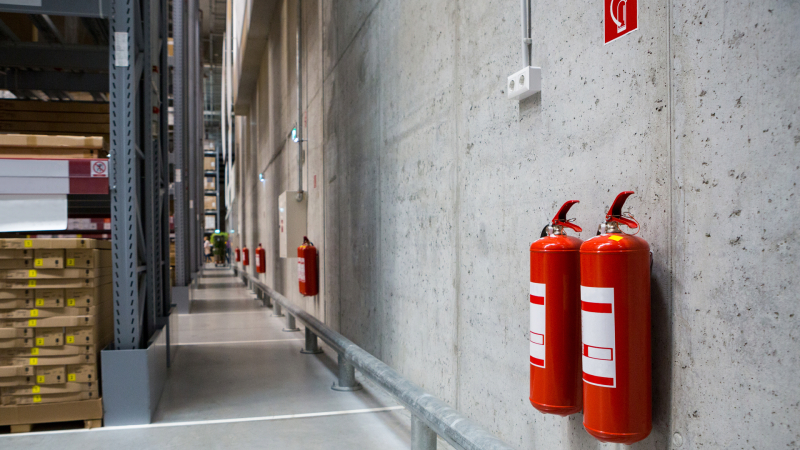
Yes. It covers basic inspection and storage practices, including routine checks and correct placement so extinguishers are easy to find, secured properly, and ready for use.