Enjoying the preview?
This is the free first lesson. Get full access: request a demo or sign in.
Enjoying the preview?
This is the free first lesson. Get full access: request a demo or sign in.
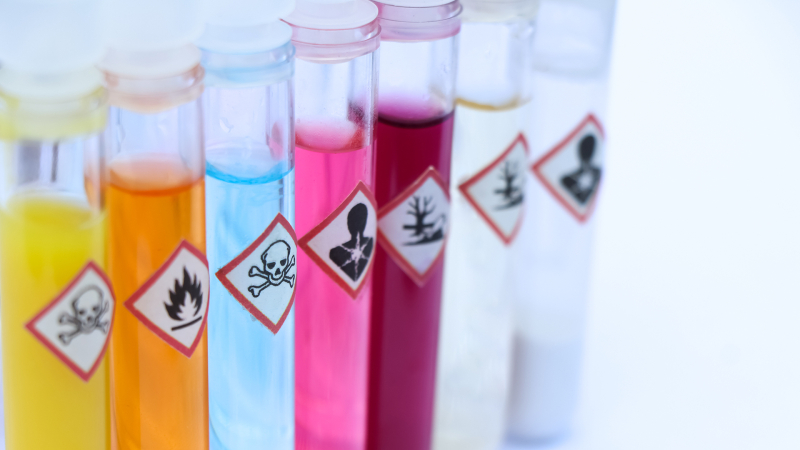
GHS is important because it standardizes hazard information worldwide, so workers can recognize risks and follow safer steps even across different languages and locations In this GHS Safety Data Sheets in Transportation and Warehouse Environments course, you’ll learn what Safety Data Sheets (SDS) are, how GHS organizes them, and where to find the key information you need to work safely. You’ll also learn how to use SDS sections for spills, exposure, fires, handling, storage, and PPE
You’ll start with hazard communication basics and how SDS support your “right to know” when working around hazardous materials. Then you’ll walk through the 16-section SDS format and learn what each section is used for. You’ll focus on the first sections that help you identify the material and its hazards, and the emergency sections that guide first aid, firefighting, and spill response.
You’ll also learn how SDS support safer daily work through handling and storage guidance, engineering controls, exposure limits, and PPE recommendations. Finally, you’ll see where supervisors and safety staff find deeper technical details like toxicology, environmental impact, disposal, and transport information, so your facility or vehicle can stay prepared
It is for workers in transportation and warehouse environments who work around hazardous materials, as well as supervisors and safety staff who need deeper technical SDS details.
It covers what Safety Data Sheets (SDS) are, how GHS organizes them, the 16-section SDS format, and how to use SDS sections for spills, exposure, fires, handling, storage, and PPE.
You will build skills in emergency response, hazard communication (HazCom), hazardous material handling, navigational aid, and risk exposure management.
It is organized into lessons covering hazard communication and the Globally Harmonized System, materials and their hazards, responding to HAZMAT emergencies, handling and storing hazardous materials, important technical information, and a review.
The course starts with hazard communication basics and how SDS support your right to know, so it begins from foundational concepts.