Enjoying the preview?
This is the free first lesson. Get full access: request a demo or sign in.
Enjoying the preview?
This is the free first lesson. Get full access: request a demo or sign in.
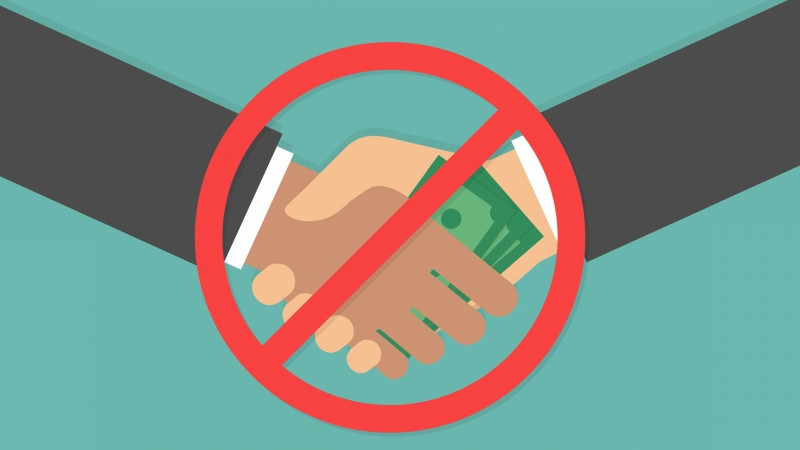
Fraud, waste, and abuse are terms often associated with the misuse of resources in government operations, and each represents a different form of mismanagement or unethical conduct. The consequences can be far-reaching and multifaceted, impacting not only the immediate operations but also public trust and the effectiveness of governance. Whistleblower protections play a vital role in encouraging the reporting of fraud, waste, and abuse in government operations. These protections are designed to shield people who come forward with information about illegal or unethical practices from retaliation. But how can you identify fraud, waste, and abuse, and how do you go about reporting it?
In this course on Government Fraud, Waste, and Abuse, we’ll discuss some warning signs of these issues, as well as their consequences. You’ll learn about whistleblower protections and how to report incidents at every level. You will also learn how to conduct a risk assessment, create and implement internal controls, and use technology and data analytics for prevention and monitoring. By the end of this course, you’ll know how to identify and prevent fraud, waste, and abuse in your operations.
By the end of the course, you will know how to identify and prevent fraud, waste, and abuse in your operations, including recognizing warning signs, conducting risk assessments, and implementing internal controls.
The course covers defining fraud, waste, and abuse, identifying common red flags, the consequences of these issues, risk assessment, whistleblower protections and reporting procedures, accountability and transparency, internal controls, and using technology and data analytics for prevention.
Yes. The course discusses whistleblower protections, which are designed to shield people who report illegal or unethical practices from retaliation, and how to report incidents at every level.
Fraud, waste, and abuse are each described as a different form of mismanagement or unethical conduct, and the course explains the differences between them.