Enjoying the preview?
This is the free first lesson. Get full access: request a demo or sign in.
Enjoying the preview?
This is the free first lesson. Get full access: request a demo or sign in.
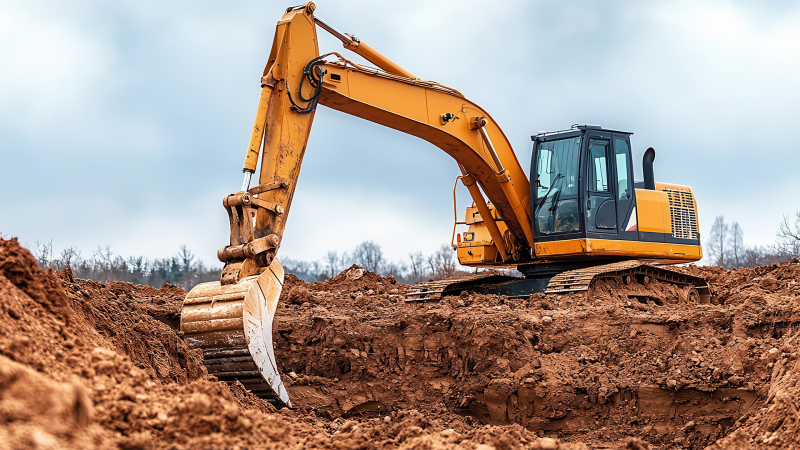
Excavators are powerful and versatile, but they can be dangerous without proper precautions. In this Excavator Safety: How They Work and Their Hazards course, you’ll learn how to prevent injuries and damage when working with or around excavators. This course explains how to recognize common hazards, such as rollovers, struck-by incidents, contact with overhead power lines, and trench collapses, and how to avoid them through safe operating practices.
You’ll learn how to inspect excavators before each shift, monitor their stability during operation, and work safely on uneven terrain. The course explains the importance of maintaining a clear swing radius, using proper communication between operators and spotters, and following site-specific rules for proximity and PPE. It also covers key maintenance and shutdown steps to reduce risks during fueling, servicing, or end-of-day shutdown.
Whether you’re an operator, spotter, or working nearby, this training gives you practical steps to reduce the risk of injury and ensure safe excavation practices. By the end, you’ll be better prepared to recognize unsafe conditions, respond to hazards, and contribute to a safer worksite.
This training is for operators, spotters, and anyone working on or near excavators, giving practical steps to reduce the risk of injury and ensure safe excavation practices.
It covers recognizing and avoiding common hazards such as rollovers, struck-by incidents, contact with overhead power lines, and trench collapses through safe operating practices.
You will learn to inspect excavators before each shift, monitor stability during operation, work safely on uneven terrain, maintain a clear swing radius, use proper operator-spotter communication, and follow shutdown and maintenance procedures.
By the end, you will be better prepared to recognize unsafe conditions, respond to hazards, and contribute to a safer worksite.
Lessons include Understanding Excavators, Keeping Excavators Stable, Excavator Hazards, and a Review.