Enjoying the preview?
This is the free first lesson. Get full access: request a demo or sign in.
Enjoying the preview?
This is the free first lesson. Get full access: request a demo or sign in.
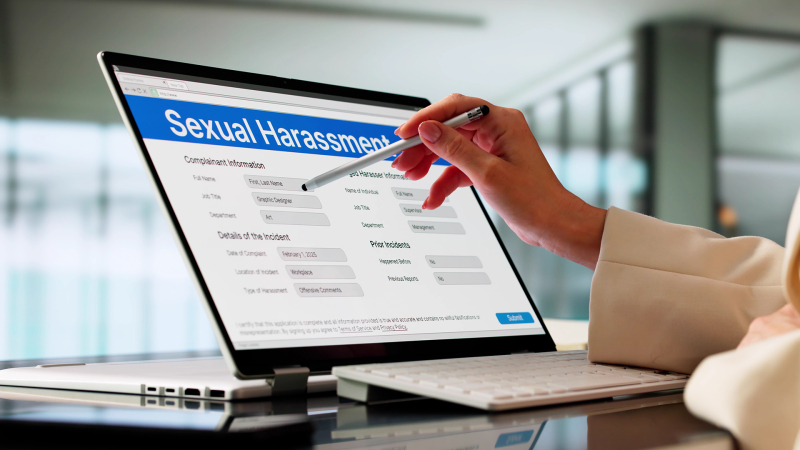
In this Illinois Sexual Harassment Prevention: Managers and Supervisors course, you’ll learn how to recognize, respond to, and help prevent sexual harassment in your workplace under Illinois law. We’ll also explore your leadership responsibilities and the steps needed to meet annual state training and documentation requirements. These practices are essential to protect your team, promote fairness, and meet legal obligations. With this foundation in place, you’ll learn how to apply Illinois-specific requirements in real-world situations.
We’ll break down the key responsibilities of managers and supervisors, presenting examples of how to document complaints and respond to reports of harassment. You’ll build confidence in handling complaints fairly and gain tools to prevent retaliation throughout the process. We’ll also address definitions under the Illinois Human Rights Act; strategies for maintaining trust and privacy; and how to deliver annual training that meets the law, so that you can get a complete understanding of Illinois workplace compliance. By the end of this course, you’ll be able to take appropriate action when concerns arise and ensure your team stays compliant.
This course is designed for managers and supervisors, providing training that the course describes as vital for understanding and handling workplace sexual harassment.
It covers federal laws and updates, Illinois state laws, and City of Chicago laws related to sexual discrimination and harassment in the workplace.
The course explains sexual harassment behaviors including quid pro quo, sexual assault, hostile work environment, and sexual behaviors in a remote work environment.
You will learn employer obligations, how to handle a complaint when it is filed, management responsibilities, documentation and recordkeeping for managers, and when an employer is liable.
Yes. It covers preventing retaliation and helps you identify activities that are protected from retaliation.