Enjoying the preview?
This is the free first lesson. Get full access: request a demo or sign in.
Enjoying the preview?
This is the free first lesson. Get full access: request a demo or sign in.
Graphic design is a broad term that extends into many different forms of marketing and entertainment. When used correctly, visual communication is a powerful tool that can be highly efficient in achieving the desired effect. Graphic design surrounds us and engages us in our everyday lives, sometimes in ways we don’t even realize.
In this Introduction to Graphic Design course, you will be guided through the principles and practices used to create strong visual messages. These lessons will help develop a better understanding of how graphic design is used to inform and engage an intended audience using images, colors, shapes, text, and graphic elements. You will learn what factors go into good graphic design, as well as how to create your own graphics. By the end of this course, you will have a solid foundation of graphic design knowledge that you can use to create professional-looking designs in print and digital formats.
You will be guided through the principles and practices used to create strong visual messages, learning how images, colors, shapes, text, and graphic elements are used to inform and engage an audience, what factors go into good graphic design, and how to create your own graphics.
This is an introduction course that builds a solid foundation of graphic design knowledge, beginning with what graphic design means and how it communicates messages.
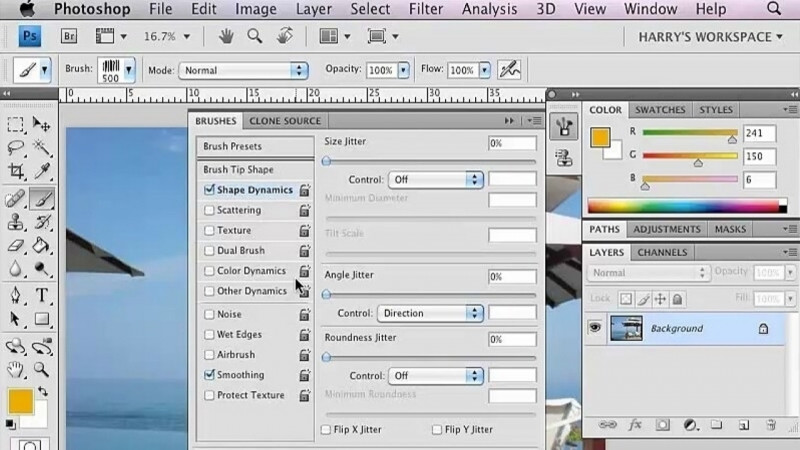
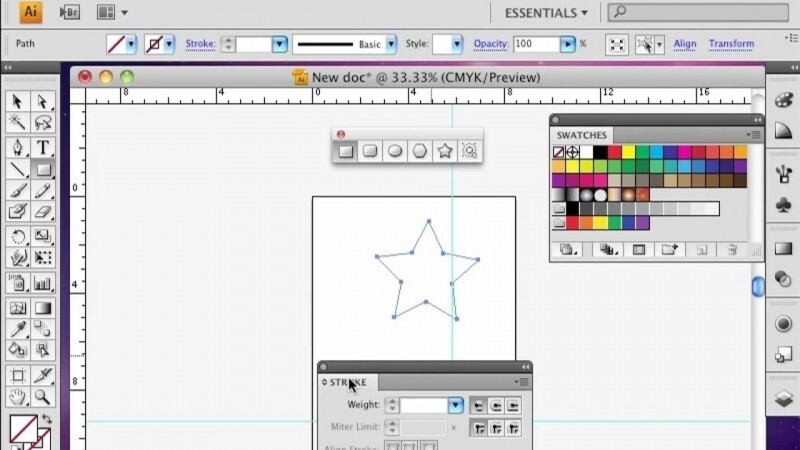
The course covers graphic design tools, Gestalt theory and its principles, the importance of color (including hue, saturation, value, and temperature), using shapes, typography, and composition theories such as proximity, contrast, alignment, repetition, grids, and visual hierarchy.
By the end of the course you will have a solid foundation of graphic design knowledge that you can use to create professional-looking designs in print and digital formats.
It helps develop skills in graphic communication, graphic arts, graphic design, instructional design, print design, and visual design.