Enjoying the preview?
This is the free first lesson. Get full access: request a demo or sign in.
Enjoying the preview?
This is the free first lesson. Get full access: request a demo or sign in.
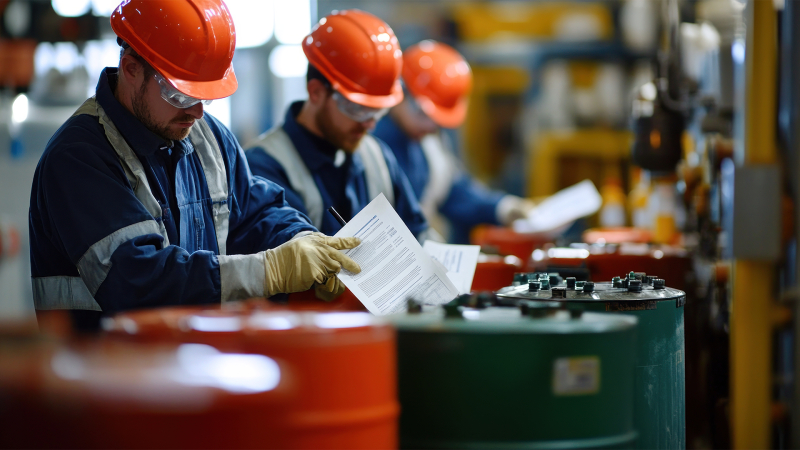
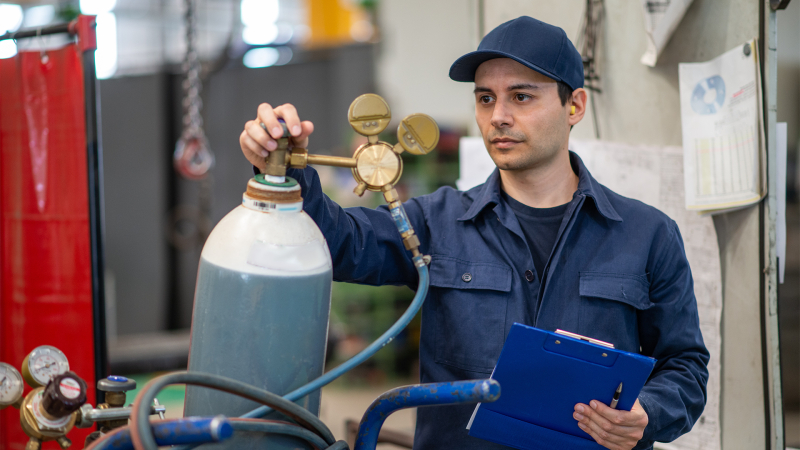
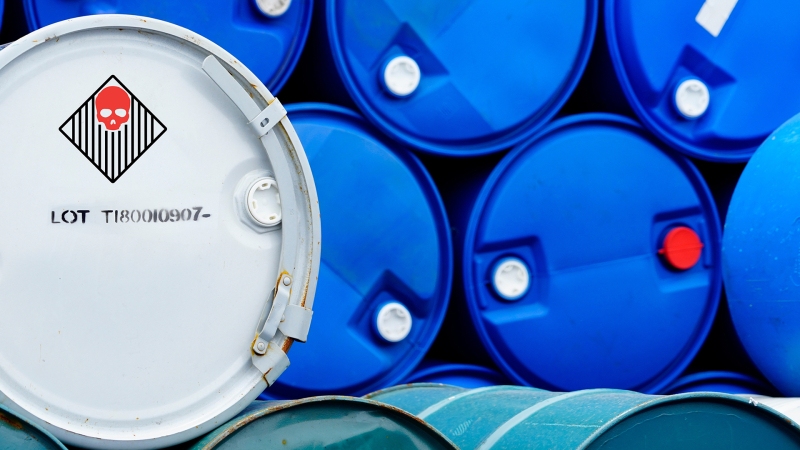
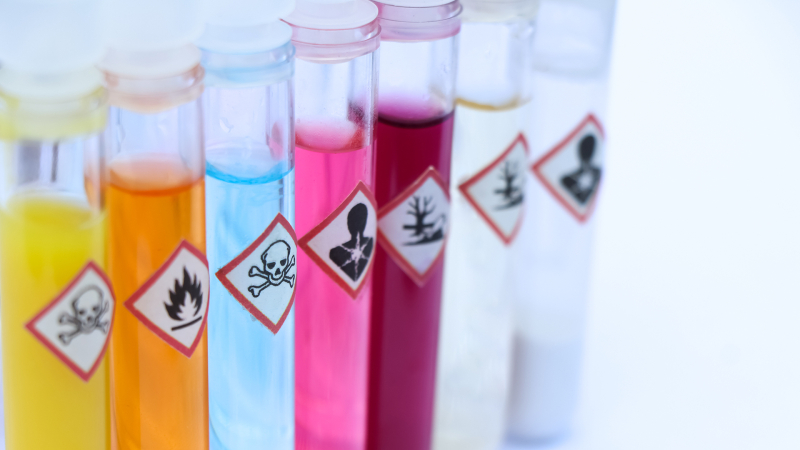
Working with hazardous materials can be a dangerous job for many reasons. You might face working under extreme stress and around health risks like respiratory hazards and heat stress. You could even become contaminated with a hazardous substance and expose others. This is why medical surveillance programs are necessary in these fields.
In these lessons, you will learn the criteria for medical surveillance, so you will know if and when you might qualify for a medical examination. We will go over the various types of medical surveillance you might experience, and how often these examinations should be conducted. Finally, we’ll discuss the importance of keeping accurate medical records, both for yourself and for your employer. By the end of this course, you will know why you need medical surveillance, when to expect these exams, and the types of exams you will likely experience.
It is intended for people who work with hazardous materials and may face health risks such as respiratory hazards, heat stress, and contamination.
By the end, you will know why you need medical surveillance, when to expect these exams, and the types of exams you will likely experience.
It covers the criteria for medical surveillance, the types and frequency of medical surveillance examinations, and recordkeeping, organized across lessons including an Introduction and Conclusion.
The course covers skills in Contamination, Hazard Communication (HazCom), Medical Surveillance, and Workplace Safety.
The course discusses the importance of keeping accurate medical records, both for yourself and for your employer.