Enjoying the preview?
This is the free first lesson. Get full access: request a demo or sign in.
Enjoying the preview?
This is the free first lesson. Get full access: request a demo or sign in.
In this Techniques and Tools for Detecting Counterfeits and Forgeries course, you’ll learn how to detect fake items before they cause harm. You’ll explore how counterfeiters and forgers create convincing fakes—from physical items like cash and packaging to digital files and documents. Understanding their techniques helps you spot problems early.
You’ll learn how to check for warning signs using features like watermarks, holograms, texture, microtext, and color-shifting ink. You’ll also discover how to compare items side by side and use your senses to catch what others miss.
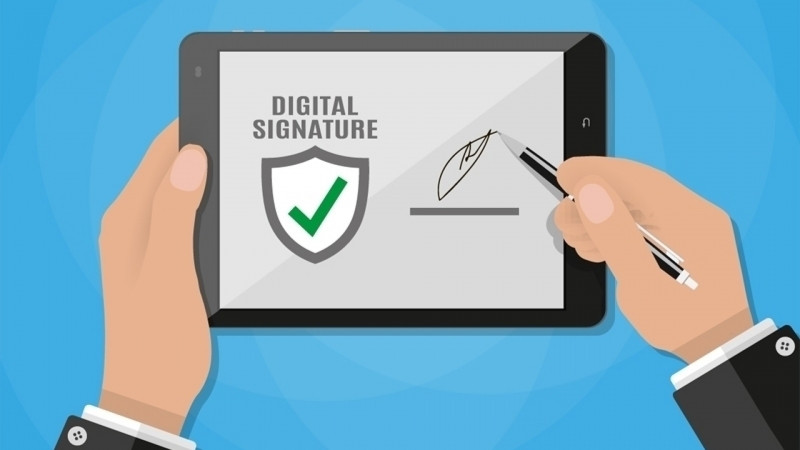
The course introduces essential tools like UV scanners and magnifiers, including counterfeit detection pens. You’ll also learn how signature verification works, both by hand and with technology. Finally, you’ll explore how AI and machine learning help detect fraud faster by spotting small differences and unusual patterns in documents or behavior.
By the end of this course, you’ll know how to combine observation with tools and technology to confirm authenticity, report concerns, and support fraud prevention at any level of your organization.
You will learn how to detect fake items by understanding how counterfeits and forgeries are created, recognizing visual and physical signs of fraud, using detection tools such as UV scanners, magnifiers, and counterfeit detection pens, checking signatures and documents, and understanding how AI supports fraud prevention.
The course introduces essential tools including UV scanners and magnifiers, counterfeit detection pens, and signature verification done both by hand and with technology.
Yes. It explores how fakes are created across physical items like cash and packaging as well as digital files and documents.
It explores how AI and machine learning help detect fraud faster by spotting small differences and unusual patterns in documents or behavior, with a dedicated lesson on AI and Machine Learning in Detection.
It is designed for anyone who needs to confirm authenticity, report concerns, and support fraud prevention at any level of their organization, building skills in digital signature services, document review, and fraud investigation.