Enjoying the preview?
This is the free first lesson. Get full access: request a demo or sign in.
Enjoying the preview?
This is the free first lesson. Get full access: request a demo or sign in.
GHS is important because it standardizes hazard information and wording, helping healthcare workers recognize risks and take safer steps no matter where a product comes from. In this GHS Safety Data Sheets in Healthcare Environments course, you’ll learn what Safety Data Sheets (SDS) are, how GHS organizes them, and how to quickly find key hazard and safety information. You’ll also learn how SDS guide safe handling, storage, PPE, and emergency response for spills, exposures, and fires.
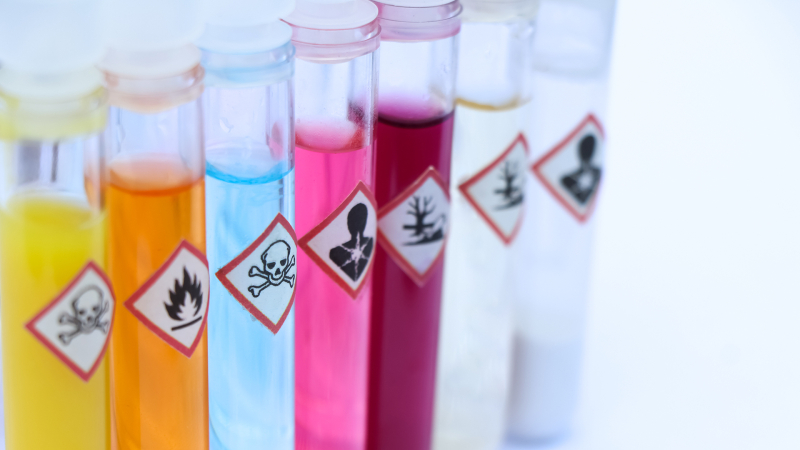
You’ll start with hazard communication and the “right to know” concept, then walk through the SDS format so you know what each section is used for. You’ll learn where to find product identification, hazard statements, signal words, pictograms, and ingredient information. Next, you’ll focus on the emergency sections that guide first aid, firefighting, and spill response.
You’ll also cover safer daily work practices, including handling and storage guidance, engineering controls, exposure limits, and PPE recommendations. Finally, you’ll learn what information is placed in the technical sections so supervisors and safety staff can support disposal, transport, and compliance.
It is designed for healthcare workers who need to recognize risks and take safer steps when handling products, as well as supervisors and safety staff who support disposal, transport, and compliance.
It covers what Safety Data Sheets (SDS) are, how GHS organizes them, and how to find key hazard and safety information, including hazard communication and the "right to know" concept, the SDS format, emergency sections for first aid, firefighting and spill response, safe handling, storage, PPE, and the technical sections for disposal, transport, and compliance.
You will build skills in emergency response, hazard communication (HazCom), hazardous material handling, navigational aid, and risk exposure management.
Lessons include Hazard Communication, the Globally Harmonized System and Safety Data Sheets; Materials and Their Hazards; Responding to HAZMAT Emergencies; Handling and Storing Hazardous Materials; Important Technical Information; and a Review.
It teaches you to apply SDS guidance to respond to exposures, fires, and spills by using the emergency sections that guide first aid, firefighting, and spill response.