Enjoying the preview?
This is the free first lesson. Get full access: request a demo or sign in.
Enjoying the preview?
This is the free first lesson. Get full access: request a demo or sign in.
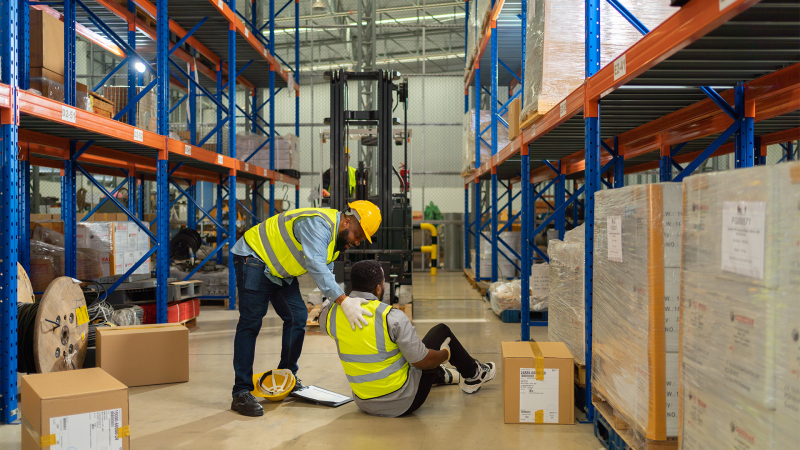
Every workplace has risks—from physical and ergonomic dangers to chemical and biological exposures. In this Hazard Recognition in Office Environments course, you’ll learn how to reduce accidents by recognizing and responding to hazards before they cause harm. This course breaks down these categories and explains how they contribute to incidents.
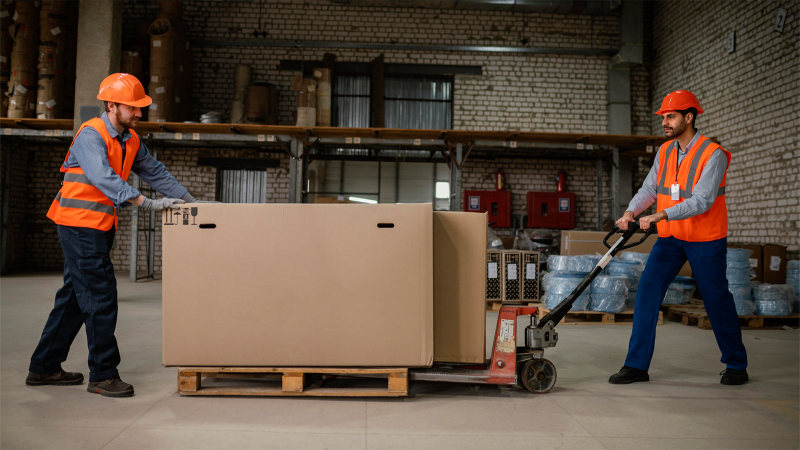
You’ll discover how unsafe acts, like using broken equipment or ignoring proper procedures, can increase the chance of injury, especially when combined with hazardous conditions. Through real-world examples, you’ll understand how habits form and why it’s important to correct unsafe behaviors early.
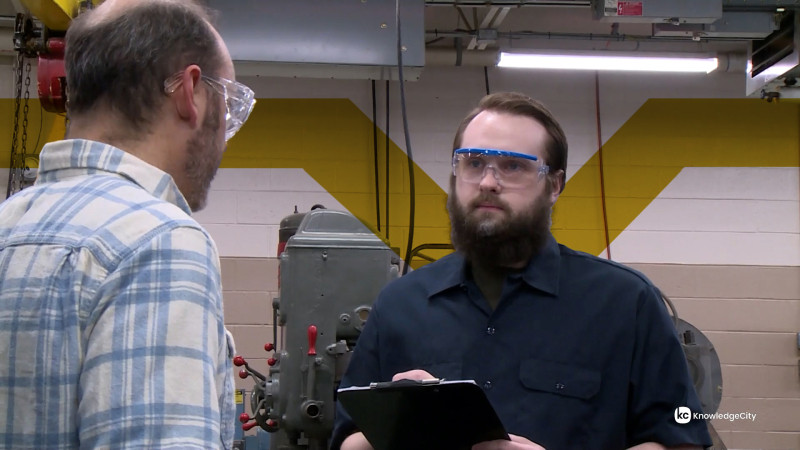
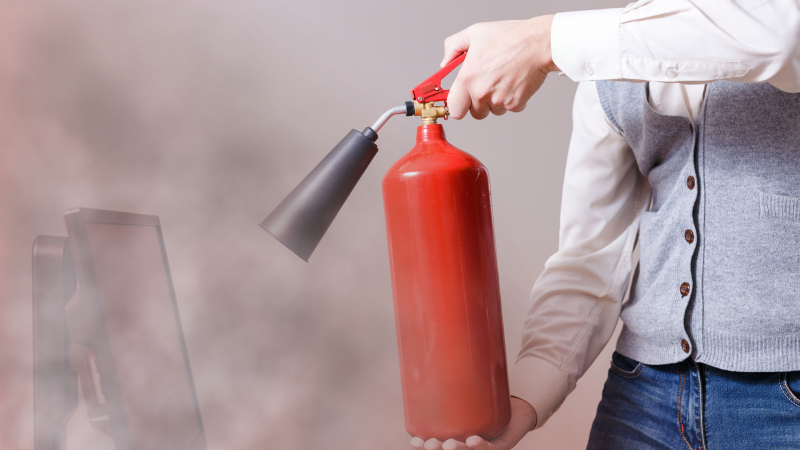
You’ll explore tools like job hazard analysis and pre-job inspections, which help teams plan safer work before tasks begin. You’ll also learn how to spot new hazards during the workday and how to take action—whether that means fixing the issue yourself, reporting it, or warning others.
Accident investigation is also covered, showing how finding a root cause helps prevent future incidents. Whether you're an employee or supervisor, this course gives you practical steps to create a safer work environment.
This course is for both employees and supervisors, giving them practical steps to create a safer work environment.
It covers types of workplace hazards, how unsafe acts and hazardous conditions contribute to incidents, hazard recognition tools like job hazard analysis and pre-job inspections, real-time hazard recognition, and accident investigation.
You will gain skills in hazard identification, risk reduction, root cause analysis, safety audits, and workplace safety.
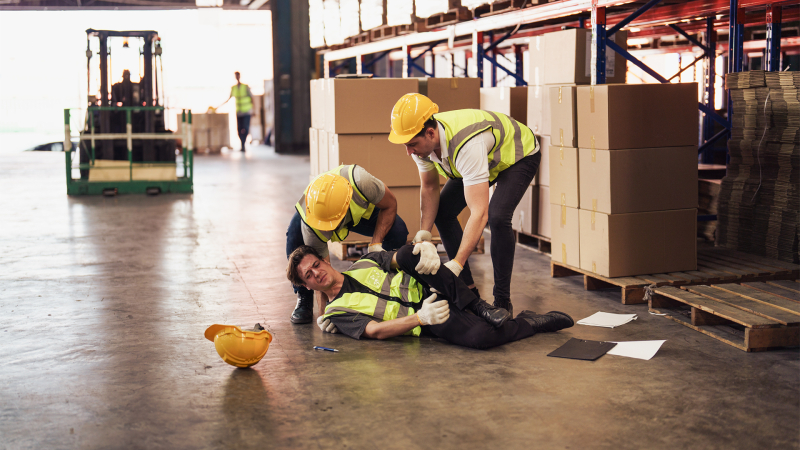
It covers accident investigation, showing how finding a root cause helps prevent future incidents, and includes a lesson on investigating accidents and near misses.
Lessons include The Need for Hazard Recognition, Hazardous Conditions and Unsafe Acts, Identifying Hazards in Advance, Real Time Hazard Recognition, Investigating Accidents and Near Misses, and a Review.