Enjoying the preview?
This is the free first lesson. Get full access: request a demo or sign in.
Enjoying the preview?
This is the free first lesson. Get full access: request a demo or sign in.
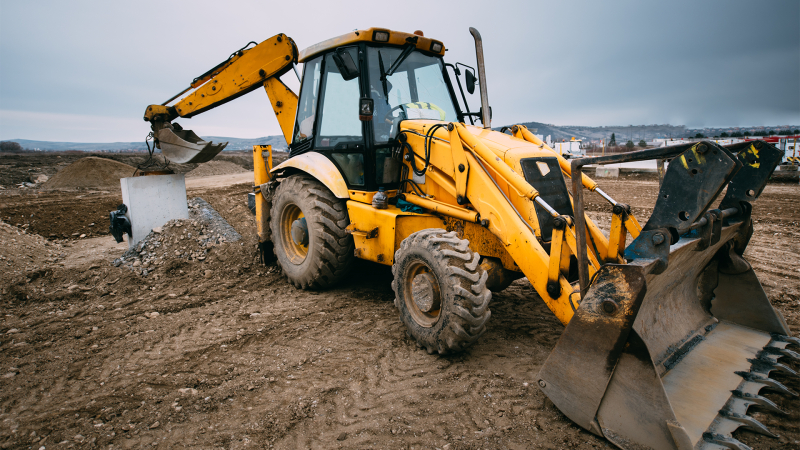
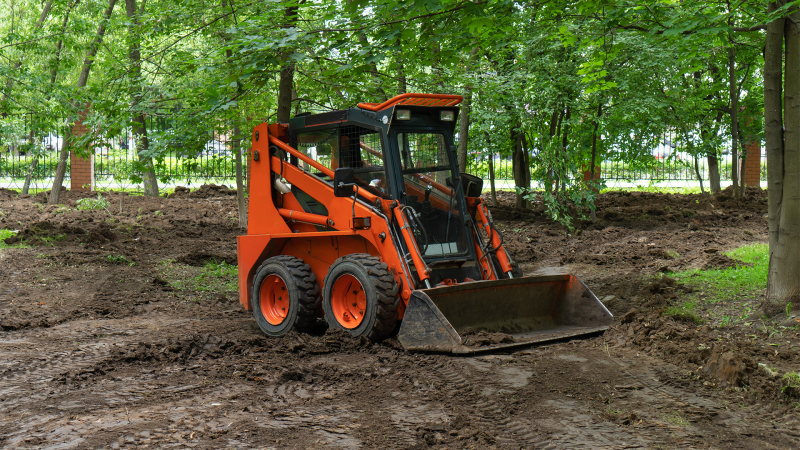
Front-end loaders are powerful and versatile machines used in construction, agriculture, and material handling. But their size and power can also make them dangerous. In this Front-End Loader Safety course, you’ll learn how front-end loaders function, the hazards they can pose, and the best practices for staying safe on the job. You'll also discover how to prevent tip-overs, avoid struck-by accidents, and respond safely to electrical contact incidents.
This course explains the key parts of a loader, including its cab, bucket, hydraulic arms, and axles. You’ll learn how to manage the loader’s stability by understanding its tipping and rated operating capacities, using attachments correctly, and adjusting for terrain and slope.
The course also addresses real-world hazards like tip-overs, collisions, and working near overhead or underground utilities. You’ll learn how to use safety systems like ROPS and FOPS, operate the loader with care, and take appropriate steps if the machine contacts power lines. By the end, you’ll know how to operate front-end loaders with greater awareness and safety.
Whether you’re new to using loaders or need a refresher, this course will help you reduce risks and stay safe on site.
It is for anyone who operates front-end loaders, whether you are new to using loaders or need a refresher to reduce risks and stay safe on site.
It covers how front-end loaders function, the key parts of a loader (cab, bucket, hydraulic arms, and axles), the hazards they pose such as tip-overs, struck-by accidents, collisions, and electrical contact incidents, and best practices for staying safe.
You will learn to manage loader stability using tipping and rated operating capacities, use attachments correctly, adjust for terrain and slope, use safety systems like ROPS and FOPS, and respond safely to electrical contact incidents.
The course is organized into lessons covering Understanding Front-End Loaders, Keeping Front-End Loaders Stable, Front-End Loader Hazards, and a Review.
No. The course is designed for those who are new to using loaders as well as those who need a refresher.