Enjoying the preview?
This is the free first lesson. Get full access — request a demo or sign in.
Enjoying the preview?
This is the free first lesson. Get full access — request a demo or sign in.
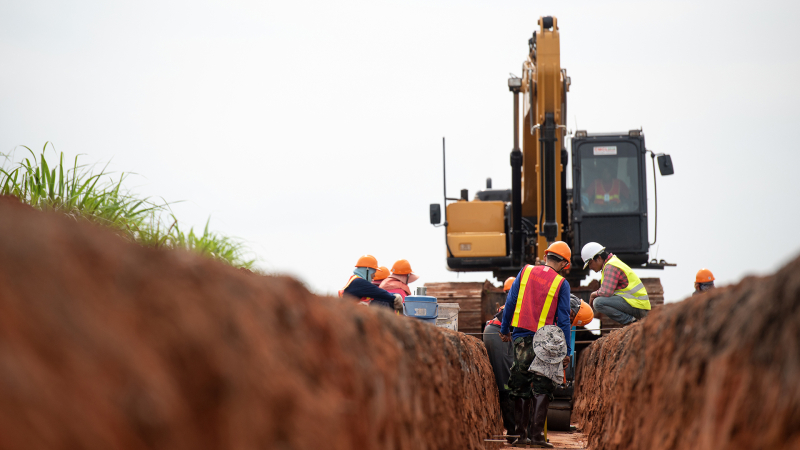
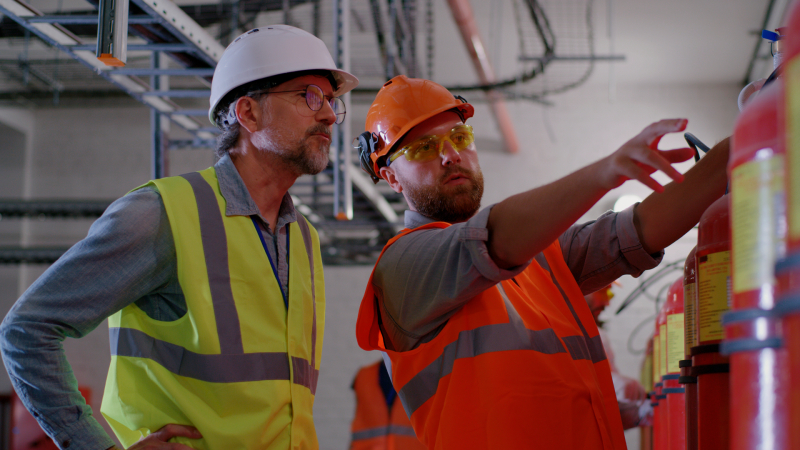
Construction sites can change quickly, and fire risks can come from tools, equipment, electrical sources, and stored materials. In this Using Fire Extinguishers in Construction Environments course, you’ll learn how fires start, how to match fire classes to the right extinguisher, and how to use an extinguisher safely on a jobsite. You’ll also learn basic inspection and maintenance steps so equipment is ready when it matters
This course starts with the basics of how fires burn so you understand why the right response matters. You’ll review common fire classes and learn how they connect to different materials and hazards on a jobsite. You’ll explore common extinguisher types, including dry chemical, carbon dioxide, water, and foam, and what each one is designed to handle. You’ll then walk through safe response steps before you take action, such as alerting others, choosing the right extinguisher, and keeping a clear exit path. You’ll also practice the PASS method—pull, aim, squeeze, sweep—so you can respond with confidence during an emergency.
Finally, you’ll learn how routine checks, correct storage, and scheduled servicing help keep extinguishers in working condition. By the end, you’ll be better prepared to respond to small fires safely and support a safer jobsite for everyone
It is designed for people working on construction sites, where fire risks can come from tools, equipment, electrical sources, and stored materials, helping them respond to small fires safely and support a safer jobsite.
It covers how fires start and burn, common fire classes and the materials they involve, extinguisher types (dry chemical, carbon dioxide, water, and foam), safe response steps, the PASS method, and basic inspection and maintenance of extinguishers.
PASS stands for pull, aim, squeeze, sweep—a method you practice so you can respond with confidence during an emergency.
The course builds skills in emergency response, fire protection, fire safety, fire suppression systems, and firefighting.
It is organized into lessons covering classes of fire, extinguisher types (dry chemical and carbon dioxide; water and foam), using a fire extinguisher, maintaining fire extinguishers, and a review.